Choosing a supplier for Polyester Powder Paint involves more than comparing colors or unit prices. The right manufacturer should provide consistent batches, clear technical data, and practical support when a coating does not behave as expected. A smooth, even finish on a test panel is useful, but it cannot tell you everything about durability, application, or long-term performance.
Details matter. Buyers should review product specifications, recommended curing conditions, available finishes, packaging, and quality-control practices. Ask for samples and test them with your own equipment and substrate where possible. A powder that looks excellent on a small panel may respond differently on a large production line. That difference can affect appearance, rework, and cost.
This guide introduces seven Polyester Powder Paint manufacturers for buyers to consider. It is designed to support comparison, not to suggest that one supplier suits every project. Manufacturers may differ in product range, regional availability, technical assistance, and minimum order requirements. Some details can also change, so verify current specifications directly with each company before making a purchase decision.
Look beyond polished product descriptions. Request a current technical data sheet, confirm the stated cure schedule, and ask how the supplier manages batch consistency. If possible, compare samples under the lighting and conditions your finished products will encounter. There is no perfect shortlist. A careful review of real requirements—and a little healthy skepticism—can help buyers find a supplier that fits their application, budget, and production process.
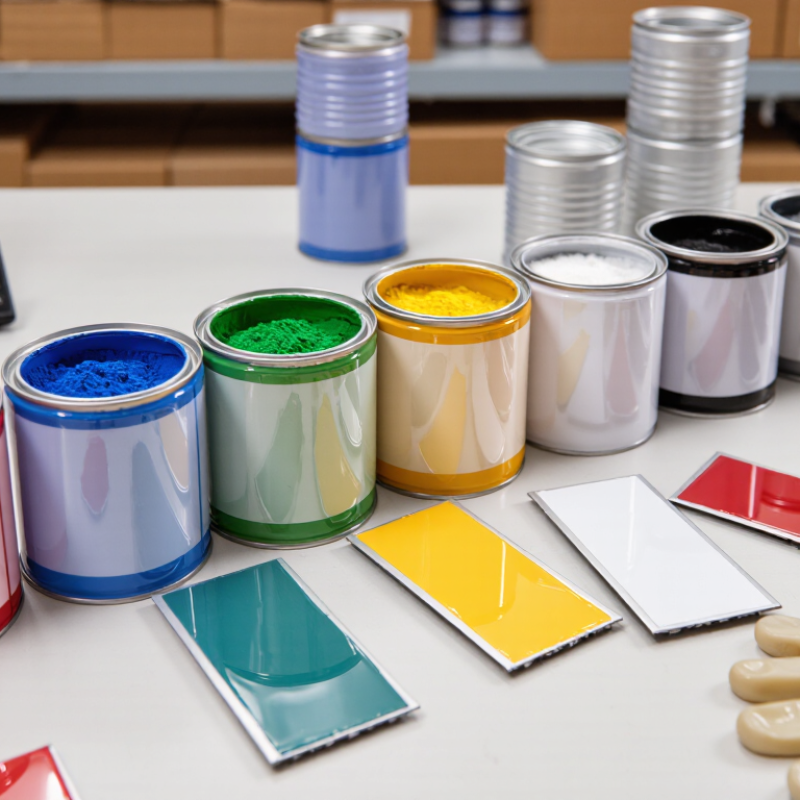
Polyester powder paint is a dry coating made from polyester resins, pigments, and additives. Applied electrostatically, it clings to grounded metal parts before heat melts and cures it into a continuous film. The result is typically durable and weather-resistant, making it suitable for outdoor furniture, fencing, architectural aluminum, railings, and some vehicle components. It is not paint for every surface: the part must tolerate curing heat, and most standard powder systems are intended for metal.
Demand reflects the coating’s broad use. MarketsandMarkets estimated the global powder coatings market at USD 12.7 billion in 2022 and projected USD 15.0 billion by 2027. This figure covers powder coatings overall, not polyester alone.
Polyester formulations are often selected for exterior exposure, but performance still depends on resin type, film thickness, pretreatment, and application quality. A glossy finish can look tough. It can still fail early if moisture or dirt remains beneath the coating.
Tips: Ask for test data that matches the intended exposure, such as outdoor weathering or corrosion testing. Check the required cure schedule against the part’s thickness and shape; corners and recessed areas can be harder to coat evenly. Also confirm the coating’s expected finish and color tolerance. Small batches may vary, and that detail is easy to overlook.
A buyer should assess a polyester powder paint manufacturer against the actual coating line and end use, not just a polished brochure. Document the substrate, indoor or outdoor exposure, target gloss, color, and expected film thickness. Ask for the recommended cure window and test methods. A few degrees or minutes can affect the finish.
Request a sample panel and technical data sheet for the specific product. Compare color and gloss under consistent lighting, then check adhesion and impact resistance using agreed test procedures. Ask whether the sample was cured under conditions similar to your production line. A perfect lab panel may not predict results on a complex part. Small differences matter.
Review how the manufacturer controls batch consistency, tracks test results, and handles defects. Ask for recent quality records, realistic lead times, and clear guidance on storage and application. Good records help. So does a useful technical response. Notice whether answers are specific or vague. A neat data sheet can still miss practical issues, and buyers sometimes overlook their own pretreatment or oven variation. Leave room for a production trial before committing to large orders.
The seven profiles below reflect different manufacturer strengths, not named companies. A broad-line producer offers standard gloss levels and colors for general metalwork. An architectural specialist focuses on weather resistance for window frames and outdoor panels. An appliance-focused manufacturer develops finishes that resist everyday scuffs and cleaning. A custom-color producer handles small batches, though matching a sample may take several rounds. A low-temperature-cure specialist can help with heat-sensitive parts, but buyers should confirm the substrate and curing schedule. A high-durability supplier targets machinery and equipment exposed to abrasion. A regional producer may offer shorter delivery routes and more responsive technical support.
Look beyond catalog claims. Ask for a current technical data sheet, recommended film thickness, cure window, and sample panels tested on your substrate. A smooth sample is useful, but it cannot predict every production result. Check how the supplier handles color variation between batches, packaging, and storage guidance. A polished brochure can still hide slow color matching. That deserves a question.
Tips: Compare samples under the lighting used at the installation site. Confirm pretreatment compatibility before ordering a full batch. Keep a small retained sample for later color checks.
Choosing a polyester powder paint manufacturer means looking beyond color cards. Compare coating consistency, gloss retention, adhesion, and corrosion performance using technical data sheets and test panels. A smooth finish on a sample is useful, but it cannot predict results on every substrate or production line. Ask how the manufacturer controls batch variation and verifies cure schedules. Small differences matter.
Product range is another practical test. Buyers may need outdoor-grade polyester, textured finishes, or several gloss levels, sometimes for the same project. Grand View Research estimated the global powder coatings market at USD 13.2 billion in 2023 and projected 5.8% annual growth from 2024 to 2030. This is a market-wide estimate, not proof that any supplier’s polyester products will perform well. Check whether the range includes documented weathering and application data for your intended use.
Technical support can separate a capable supplier from a merely broad catalog. Look for clear guidance on film thickness, curing temperature, storage, and troubleshooting defects such as pinholes or uneven texture. Ask whether support staff can review your oven profile and substrate preparation, not just send a standard brochure. Test panels help. Response time matters, too, though it is easy to overlook until a line is delayed. Compare answers in writing, and note where recommendations rely on assumptions rather than measured conditions.
Choosing a polyester powder paint manufacturer starts with the part, not the catalogue. Tell suppliers what the substrate is, where it will be used, and how it will be applied. A steel railing near the coast needs different performance checks from an indoor display panel. Ask for technical data on film thickness, cure schedule, gloss, and weathering. Then confirm that the recommended powder suits your oven and line speed. Small details matter.
Request sample panels and test them under realistic conditions. Check color and gloss in daylight, inspect edges and corners, and note whether the finish chips during handling. Ask how the manufacturer controls batch consistency and what information accompanies each shipment. Clear answers are useful; vague claims are not. A supplier should also explain storage limits and help troubleshoot application defects. Even experienced buyers sometimes overlook pretreatment, which can undermine an otherwise sound coating. That is worth admitting. Compare response times and documentation, not just price per kilogram. A low quote may become costly if a shade shift forces rework or delays installation. Choose a manufacturer that can discuss your process plainly and support a repeatable result.
Typical cure-temperature windows for polyester powder coating formulations (°C)
These representative ranges show why buyers should match a coating to their substrate, production line and heat sensitivity. Cure temperature refers to the part’s metal temperature, not the oven setpoint; actual schedules vary by formulation, so confirm the technical data sheet with each manufacturer.
Record the substrate, indoor or outdoor exposure, target gloss, color, and expected film thickness. Ask for the cure window and test methods.
Compare color and gloss under consistent lighting, ideally at the installation site. Check adhesion and impact resistance using agreed test procedures. Small differences matter.
Not always. Ask whether the panel used your substrate and similar curing conditions. Complex parts and oven variation can change the finish.
Ask about batch consistency, test-result tracking, defect handling, and recent quality records. Specific answers are more useful than a polished data sheet.
Request documented weathering and application data for the intended use. A general catalog claim is not enough for window frames or outdoor panels.
Check for the needed gloss levels, colors, textures, and application data. One project may need several finishes. The catalog can still leave gaps.
Look for guidance on film thickness, curing temperature, storage, and defects such as pinholes or uneven texture. Ask whether staff can review your oven profile and pretreatment.
A trial can reveal color variation, application issues, or lead-time problems. Keep a retained sample for later checks. We may overlook our own process variation.
This guide explains what Polyester Powder Paint is, how its durable finish and protective qualities make it suitable for applications such as architectural components, furniture, appliances, and industrial equipment, and what buyers should consider when sourcing it. It outlines practical ways to assess manufacturers, including reviewing product consistency, available formulations and finishes, production capabilities, quality controls, and the clarity of technical information.
The article profiles seven manufacturers without assuming that one supplier suits every project, then compares their product quality, range, and technical support. It also offers a framework for matching a manufacturer to specific requirements, such as the substrate, intended environment, appearance, performance needs, order volume, and application process. By weighing these factors together, buyers can make a more informed choice and select a supplier whose products and support align with their project goals.

SSEART