How to Choose the Best Epoxy Powder for Your Projects?

Time:2026-07-15 Author:Henry
0%

When embarking on a project that requires Epoxy Powder, it's essential to choose wisely. The right epoxy can enhance the durability and finish of your work. Different types of epoxy powders are available. Each serves specific needs. Knowledge of these differences is crucial.

Quality plays a significant role in the effectiveness of Epoxy Powder. A reputable brand ensures reliability and performance. Yet, not every product suits every application. Mistakes can happen when selecting. Understanding your project's demands is vital. Look for advice and insights from experienced users.

Many factors influence your choice. Consider color, texture, and intended use of the epoxy. Experimenting can lead to surprises, both positive and negative. Reflecting on past projects will guide your decisions. Ultimately, an informed choice makes a considerable impact on result quality.
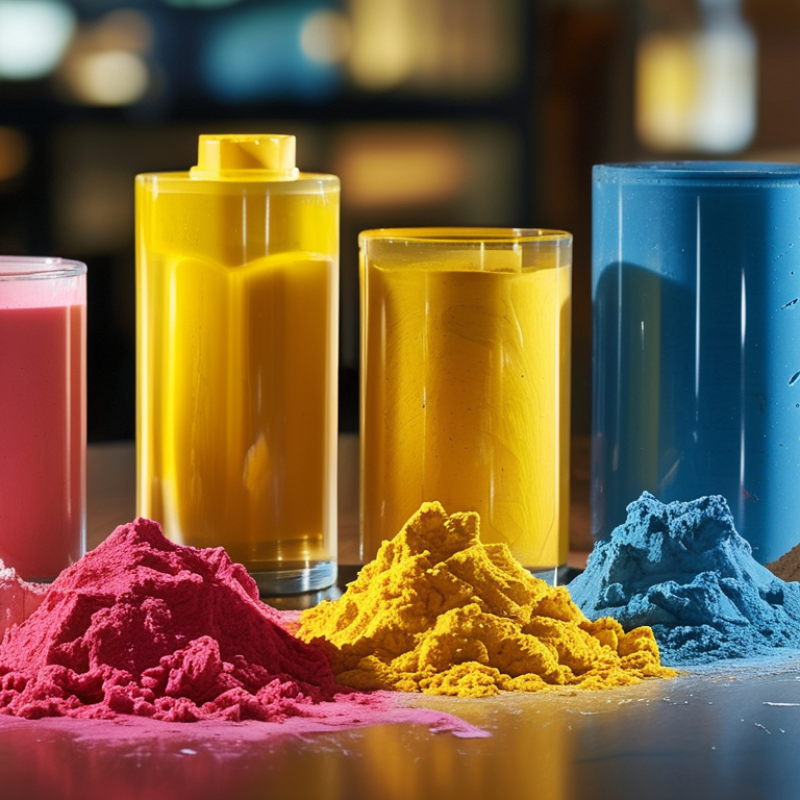
How to Choose the Best Epoxy Powder for Your Projects?

Understanding Epoxy Powder: Types and Applications

Epoxy powder is a versatile material used in various projects, from coatings to 3D printing. Understanding its types and applications is crucial for making the right choice. Two primary types of epoxy powders exist: thermosetting and thermoplastic. Thermosetting epoxy powders cure to form a hard, durable finish. These are ideal for furniture and industrial applications. On the other hand, thermoplastic powders can be remelted and reshaped, providing flexibility in use.

When selecting epoxy powder, consider the desired finish and durability. For high-traffic areas, a tougher epoxy may be necessary. Some epoxy powders offer a smooth finish, while others have a textured surface. Choosing between these options can impact not just aesthetics but also functionality. Performance metrics, such as chemical resistance and heat tolerance, should be evaluated as well. Test samples before committing to a larger batch can reveal any shortcomings.

It's common to overlook the importance of color and texture. A visually appealing finish can elevate an entire project. Yet, achieving this may require adjustments and experimentation. Be prepared to learn from trial and error. The right blend of properties ensures both beauty and resilience in your finished product.

Key Factors to Consider When Selecting Epoxy Powder

Choosing the right epoxy powder for your projects can be challenging. Several key factors should guide your decision-making. One crucial aspect is the environment in which the epoxy will be used. Different powders offer varying chemical resistance levels. For example, if your project involves exposure to water or chemicals, ensure the powder you select can withstand these conditions effectively.

Another essential consideration is the cure time of the epoxy powder. Some projects may require quick hardening, while others might benefit from a longer working time. You might find yourself in situations where adjustments are needed. Quick-curing products leave little room for error. In contrast, slower options allow for more detailed work but may lead to prolonged project timelines.

Viscosity is also vital. A thicker epoxy can provide better fill for gaps but may require careful application. Conversely, a thinner solution might flow better but might not offer the same structural strength. Don’t overlook color options either; the right hue can enhance the final finish. Remember that experimenting with various powders can yield surprising results. Learn from any mistakes made along the way, adjusting your technique as you discover what works best.

Evaluating Color Options and Finish for Your Project

When selecting epoxy powder for your projects, color options and finish can significantly impact the final outcome. A vibrant shade can enhance aesthetics, while a muted tone may offer a more sophisticated look. Industry data suggests that approximately 30% of consumer satisfaction stems from color choices. Selecting the right color requires an understanding of the environment where the epoxy will be used. Darker colors may show imperfections more easily, while lighter shades tend to mask them.

The finish is equally important. Different finishes, like matte or glossy, give varying appearances. Research indicates that glossy finishes may be more prone to showing scratches and dents. On the other hand, matte finishes can hide these flaws but might require more maintenance. Evaluating the intended use is critical. For high-traffic areas, a more durable finish may be necessary, balancing aesthetics with practicality.

Color and finish can evoke emotions and influence functionality. A well-chosen epoxy can add significant value. However, it’s essential to reflect on the long-term implications of your choices. Consider how the color may fade over time or how the finish might wear with use. These factors play a crucial role in ensuring the longevity and success of your projects.

Assessing Durability and Resistance Characteristics

When selecting epoxy powder for your projects, evaluating durability and resistance is crucial. Epoxy powders offer superior resistance to chemicals, heat, and mechanical wear. Industry reports indicate that high-quality epoxy can withstand temperatures up to 200°C while maintaining structural integrity. This is particularly important for industrial floors and machinery components.

Durability is often tested through a variety of methods. A popular metric is the Taber Abrasion Test, which measures how well the coating resists wear over time. Some products exhibit wear rates as low as 10 mg/1000 cycles, indicating excellent performance. However, not all epoxy powders are created equal. Some may contain fillers that weaken these characteristics. It's vital to choose options verified by third-party testing for reliability.

Resistance characteristics should match your project’s specific needs. For example, if you're working in a chemical processing environment, a powder with high acid and alkali resistance is necessary. Some epoxy powders can show significant performance loss when exposed to harsh chemicals. It’s essential to review technical datasheets carefully and consider potential weaknesses. Making the right choice means weighing these factors against your project's requirements.

Identifying Recommended Brands and Products for Various Uses

When selecting epoxy powder for your projects, it's crucial to identify brands known for quality and reliability. Recent industry reports indicate that the right epoxy can enhance durability and finish. A study highlights that 70% of professionals prefer epoxy powders that offer superior adhesion and resistance to wear.

Several industries benefit from specialized epoxy powders. For automotive applications, a product with heat resistance is essential. In contrast, home improvement projects often call for eco-friendly options, showcasing a diverse market. The demand for different formulations is rising, as seen in a 2023 survey where 65% of DIY enthusiasts sought customized solutions.

You may encounter challenges in finding the perfect match. Not all manufacturers provide clear product specifications. Inconsistent quality can lead to unsatisfactory results. Therefore, researching user reviews and independent tests can offer insights into performance. Understanding your project’s needs is vital. Balance between cost and quality should be carefully evaluated.

How to Choose the Best Epoxy Powder for Your Projects? - Identifying Recommended Brands and Products for Various Uses

Application Recommended Features Cure Time Finish Type Durability Rating
Floor Coating High abrasion resistance, anti-slip 24 hours Glossy Excellent
Art Projects Clear non-yellowing, UV resistant 6 hours Matte Good
Marine Use Waterproof, chemical resistant 12 hours Glossy Outstanding
Automotive High heat resistance, flexible 8 hours Satin Very Good
Industrial Use High load capacity, chemical resistant 48 hours Gloss Exceptional

FAQS

: What should I consider when selecting epoxy powder?

: Consider the working environment. Different powders have varying chemical resistance levels.

How important is cure time?

Cure time is crucial. Quick-curing options allow little room for adjustments.

What role does viscosity play in epoxy?

Viscosity affects application. Thicker epoxies fill gaps better but require skill. Thinner ones flow easily but may lack strength.

Why is durability important for epoxy powder?

Durability is vital for long-lasting applications. Some products withstand high temperatures and resist mechanical wear.

What test measures abrasion resistance?

The Taber Abrasion Test is commonly used. It shows how well the coating resists wear over time.

Why is researching brands necessary?

Not all brands offer consistent quality. Researching can help identify reliable products with good performance.

How can chemical resistance affect epoxy choice?

Certain projects need powders with high resistance to acids or alkalis. Performance loss can occur with harsh chemicals.

Should I experiment with different epoxy powders?

Yes, experimenting is important. Mistakes can lead to learning and adjustments that improve outcomes.

What should I check in technical datasheets?

Review resistance characteristics and performance data. Understanding weaknesses helps in making informed choices.

How do I balance cost and quality in epoxy selection?

Evaluate both carefully. Sometimes, cheaper options lead to disappointing results, impacting overall project success.

Conclusion

When selecting the best epoxy powder for your projects, it's essential to understand the various types and their specific applications. Different epoxy powders offer unique properties, making them suitable for diverse uses, from industrial coatings to craft applications. Evaluating factors such as color options, finish quality, and the durability traits of the epoxy powder will significantly impact the final result of your work.

Moreover, assessing characteristics like resistance to chemicals, heat, and wear is crucial for ensuring longevity and performance. By focusing on these key elements, you can ensure that the epoxy powder you choose aligns with your project's requirements and provides the desired outcome. Ultimately, a thoughtful selection process will lead to successful and satisfying results in your projects.


Henry

Henry

Henry is a dedicated marketing professional with a profound expertise in the company's offerings. With years of experience in the industry, he possesses an impressive understanding of the market dynamics and consumer behaviors that drive success. Henry is committed to sharing his insights through......