Choosing the right Metallic Powder Coat can greatly impact your project's success. According to industry expert Mark Smith, "The right finish can make all the difference in durability and appearance." His insight underscores the importance of careful selection.
Metallic Powder Coats offer a unique blend of aesthetics and functionality. With a wide range of colors and textures, they can enhance the visual appeal of any surface. However, not all Metallic Powder Coats are created equal. Some may not withstand harsh environmental conditions. Others may fade or chip easily.
Understanding the specific needs of your project is crucial. Factors like application method and intended use play significant roles. Consider durability, environmental resistance, and color retention when making your choice. Quality matters. A poorly chosen coat can lead to unsatisfactory results and increased costs. Reflect on these aspects before committing to a decision.
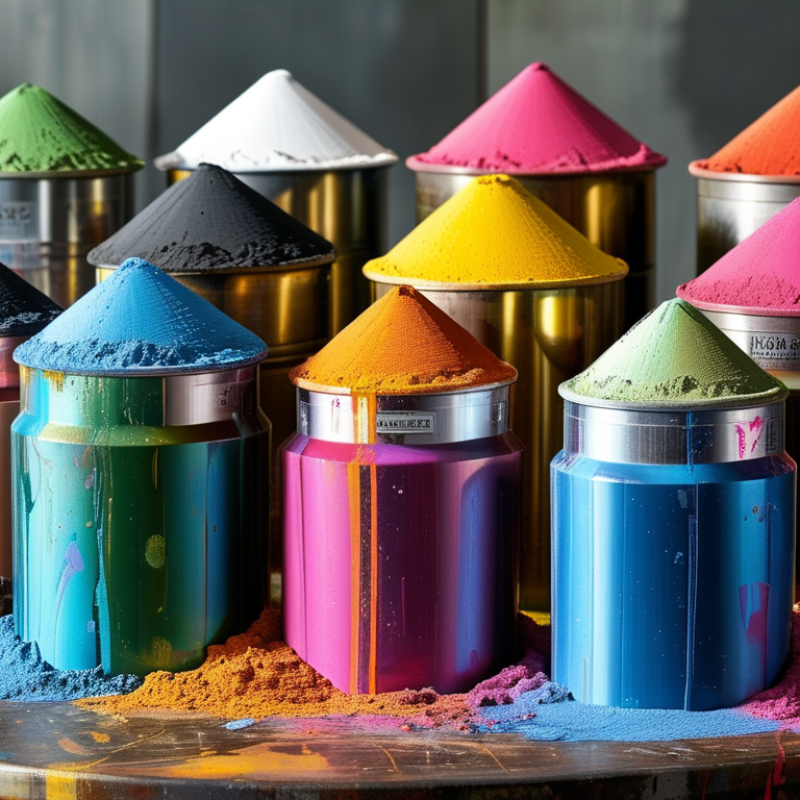
Metallic powder coatings are diverse in composition, providing varied finishes and durability. Understanding their properties is essential for making informed decisions. Commonly composed of fine metal particles, such as aluminum or zinc, these coatings offer a unique aesthetic and increased corrosion resistance. The particle size and distribution can significantly impact the final appearance.
According to a recent industry report, approximately 30% of consumers prioritize the aesthetic qualities of their coatings. A metallic finish can enhance the visual appeal of surfaces, giving products a premium feel. However, the durability of these coatings is equally important. Some formulations are prone to chipping if not applied correctly, which can lead to aesthetic and performance issues.
Additionally, the application method plays a crucial role. Electrostatic spraying ensures an even coat, but overspray can be a challenge. Imperfections, such as uneven surfaces or color mismatches, can arise if the coating isn’t managed properly. Hence, understanding the composition helps in selecting the right product that balances aesthetics and functionality. Insight into the molecular structure provides clarity on how these coatings withstand various environmental factors.
When selecting the best metallic powder coat, the application method plays a significant role in achieving optimal results. Two primary methods are electrostatic spray and fluidized bed coating. Electrostatic spray is widely favored for its accuracy and ability to cover complex geometries. A report by the Powder Coating Institute shows that nearly 80% of industrial users prefer electrostatic methods for their efficiency. Fluidized bed coating, on the other hand, offers uniform thickness and is ideal for large parts.
Tips: Choose the method that suits your part size and complexity. Electrostatic spray is excellent for intricate designs, while fluidized bed works best for bulk parts.
Consider the type of powder used. Metallic finishes require careful selection to avoid issues like poor adhesion or uneven texture. Data suggests that using high-quality powders can improve the lifespan of your coating by up to 30%. Implementing proper surface preparation techniques can also enhance the adhesion of the coating.
Tips: Always test your powder on a small scale before full application. This helps to identify any potential problems early. Be mindful of the environment and conditions during application, as humidity can affect results.
| Application Method | Advantages | Disadvantages | Best For |
|---|---|---|---|
| Electrostatic Spray | High transfer efficiency, excellent coverage | Requires specialized equipment | Complex shapes and detailed designs |
| Fluidized Bed Coating | Uniform coating, good for heavy parts | Not suitable for intricate shapes | Heavy-duty items and industrial applications |
| Hybrid Coating | Versatile and easily adaptable | Can compromise performance | General purposes and mixed-use projects |
| Electrostatic Pinning | Effective for vertical applications | Limited in part size | Thin wall parts and precision components |
When selecting a metallic powder coat, durability and performance are paramount. Different formulations are designed for specific applications. For example, a coating used on outdoor furniture must withstand UV rays and moisture. The right formulation can prevent fading and corrosion over time.
Examining test results is crucial. Hardness and flexibility are two areas to review. A powder coat that chips easily is not ideal. Look for options that maintain their finish even under stress. A tough coat can enhance the longevity of your project.
Performance also varies by application method. Electrostatic spraying provides even coverage but may require skilled operators. Conversely, fluidized beds can be easier for larger batches. However, not all finishes perform equally well across these methods. Testing different types in real-world conditions is essential. Keep in mind that what works in a controlled setting may not perform as expected in practical situations.
When selecting metallic powder coatings, color and finish are crucial factors. The range of colors can be overwhelming. Consider what will be best for your project. Metallic finishes create a vibrant look. However, the right choice depends on several factors, including texture and reflectivity.
Lustrous silver or deep, bold blue? Each choice tells a story. Darker shades may hide imperfections. Lighter hues can display flaws more readily. A high-gloss finish offers shine but may show fingerprints. Matte finishes provide a softer appeal. They may also be less forgiving, displaying more dirt and dust.
Many factors influence your choice. Are you prioritizing durability or aesthetics? Reflective finishes accentuate designs but can be tricky. They certainly draw attention, but not always the right kind. Testing samples helps. It allows you to see how a color appears under different lighting. As you navigate these options, think about both your needs and your vision.
Choosing the right metallic powder coat involves weighing cost-effectiveness and environmental impact. A recent report from the Powder Coating Institute highlights that up to 90% of powder coating can be reclaimed, reducing waste. This high recovery rate makes it a cost-effective solution compared to traditional liquid coatings, where over-spray often leads to material loss.
Environmental concerns also play a crucial role in decision-making. Studies show that powder coatings typically emit fewer volatile organic compounds (VOCs). In contrast, liquid coatings contribute significantly to air pollution. A survey indicated that over 50% of manufacturers prefer powder coatings to meet stricter regulations and reduce their carbon footprint. Yet, some concerns about the longevity and durability of powder coatings in varying climates remain.
Economic considerations cannot be ignored. Initial costs for powder coating equipment are higher. However, the long-term savings from reduced waste and lower maintenance costs often outweigh this. Balancing these factors requires careful reflection and assessment of specific operational needs, ensuring both profitability and sustainability.
: Two primary methods are electrostatic spray and fluidized bed coating. Each has its advantages based on part size.
Electrostatic spray is preferred for intricate designs due to its accuracy in coverage.
High-quality powders enhance adhesion and can improve coating lifespan by up to 30%.
Proper surface preparation techniques improve adhesion, leading to better overall results.
Darker shades can hide flaws, while lighter colors may reveal imperfections more readily.
High-gloss finishes show fingerprints, while matte finishes may attract more dirt and dust.
Powder coatings often reclaim up to 90% of their material, making them more cost-effective in the long run.
They emit fewer VOCs, contributing less to air pollution compared to traditional liquid coatings.
Yes, some concerns exist related to their performance in varying climates, which needs careful assessment.
Though costs are higher upfront, long-term savings from less waste and maintenance often outweigh initial expenses.
Choosing the best Metallic Powder Coat requires a comprehensive understanding of its composition and properties, which directly influence performance and durability. Evaluating different application methods is crucial, as the process can affect the final finish and adhesion of the coating. A side-by-side comparison of the durability and overall performance of various metallic powders will help determine which options can withstand specific environmental conditions.
Moreover, color and finish options play a significant role in the decision-making process, as aesthetic appeal is often a key factor. Finally, assessing the cost-effectiveness and environmental impact of the chosen coating is essential for sustainable practices. By considering all these factors, one can make an informed decision that best suits their needs while ensuring quality and longevity in their projects.

SSEART