Choosing a Bronze Powder Coat is not simply a color decision. It affects durability, texture, maintenance, and the perceived value of a finished product. A bronze railing may look elegant beside natural stone, while the same shade can appear dull against dark glass. Small differences matter.
Kevin Biller, a respected powder-coating consultant and founder of Powder Coating Research Group, has said, “Color is only one part of a powder-coating specification.” That principle deserves attention. Metallic bronze finishes can contain aluminum or other reflective pigments, which may change their appearance during application. Spray direction, film thickness, reclaim powder, and curing temperature can all influence the final result.
Start with the project environment. Is the surface exposed to sunlight, rain, coastal air, abrasion, or cleaning chemicals? Consider the substrate, required gloss level, texture, and expected service life. A smooth bronze surface may highlight fingerprints and scratches. A fine texture can hide minor imperfections, but it may collect dust. Neither option is perfect.
Request a physical sample, not only a digital color chart. View it outdoors and under indoor lighting. Check several panels if the project is large. Ask the applicator about pretreatment, cure schedules, batch consistency, and touch-up limitations. These details are easy to overlook.
Bronze Powder Coat can deliver warmth and architectural character. It can also disappoint when appearance is chosen without performance testing. A careful specification, realistic sample review, and honest discussion with the coating supplier create a safer path toward the desired finish.
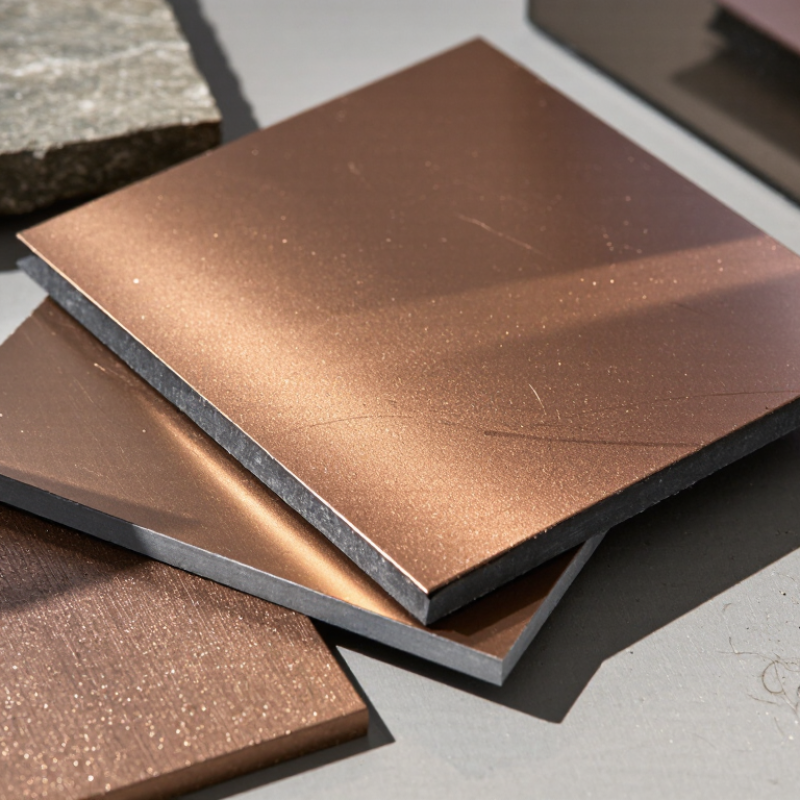
Define Bronze Powder Coat and Its Core Characteristics
How to Choose Bronze Powder Coat for Your Project?
Bronze powder coat is a dry finishing material, not solid bronze metal. It contains resin, color pigments, and performance additives. During application, electrostatic charge helps the powder cling to prepared metal. Heat then melts and cures it into a continuous protective film. The coating may appear satin, matte, textured, or lightly metallic. Its core characteristics include color depth, surface hardness, weather resistance, and resistance to everyday abrasion. A warm bronze may look brown indoors but more copper-toned in sunlight. Look closely at a sample panel. Texture changes the perceived color.
Choosing the finish requires more than matching a color chip. Ask the coater for a cured sample on the same metal type used in your project. Check it near windows, under artificial light, and beside surrounding materials. Pretreatment quality, film thickness, and curing temperature strongly affect the result. Technical data should confirm suitable exposure conditions and expected performance. Bronze powder coat can protect railings, furniture, architectural panels, and equipment frames. However, it is not automatically corrosion-proof in harsh environments. Edges, welds, and damaged areas still need careful design and inspection. I have found that small sample tests prevent expensive surprises. Still, appearance judgments remain partly subjective. A perfect bronze match may be unrealistic. Evaluate durability and visual character together.
Compare Bronze Shades, Textures, and Available Powder Formulas
Choosing bronze powder coat starts with the shade, but appearance depends on light, surface, and coating texture. Warm bronze contains red or copper undertones, while antique bronze looks darker and more restrained. A champagne bronze creates a softer architectural effect. Always inspect samples outdoors and under cool indoor lighting. A sample can look perfect indoors and wrong outdoors.
Texture changes how bronze reflects light. Smooth gloss finishes show strong highlights and reveal surface defects easily. Satin finishes soften reflections and suit doors, railings, and furniture. Fine-textured coatings can hide minor preparation marks, but they may reduce the metallic effect. Hammered textures create visible movement, though cleaning them can require more effort. I once selected a textured finish for appearance alone. Maintenance changed my opinion.
The powder formula must match the project environment. Exterior polyester formulas generally provide better resistance to sunlight and weathering. Epoxy-based formulas offer strong adhesion and chemical resistance, but outdoor exposure may cause color fading or chalking. Hybrid formulas can support interior applications where balanced performance matters. Confirm the recommended cure schedule, film thickness, and substrate preparation with the applicator. Poor curing can weaken adhesion, even with a suitable formula. Metallic powders also need consistent application, because overlapping passes may create shade variation. Test panels matter. They expose mistakes before production.
How to Choose Bronze Powder Coat for Your Project?
Typical cure-temperature ranges for common powder-coating formulas used with bronze pigments.
Epoxy and epoxy-polyester hybrid powders are generally selected for interior applications, while standard and super-durable polyester formulas are commonly preferred for exterior exposure. Smooth textures usually provide the strongest metallic visual effect; fine-texture and wrinkle finishes can improve surface hiding and scratch concealment. Actual cure requirements depend on the specific powder formulation and workpiece metal temperature, so always verify the technical data sheet.
Evaluate Application Methods, Durability, and Maintenance Requirements
How to Choose Bronze Powder Coat for Your Project?
Bronze powder coating needs more than a color match. Application method affects film thickness, texture, and edge coverage. Electrostatic spray suits steel panels, railings, and medium-sized parts. Powder Coating Institute guidance reports transfer efficiency can reach 95–98% in controlled systems. That reduces overspray waste. Fluidized-bed coating creates thicker films, but it may soften sharp details. Metallic bronze powders also need consistent grounding and careful reclaim control. Small process changes can alter the final shade.
Durability depends on exposure, not appearance alone. AAMA 2605 requires demanding weathering tests, including long-term outdoor exposure in South Florida. For coastal or industrial sites, ask for salt-spray results under ASTM B117. However, salt-spray hours do not perfectly predict outdoor life. That limitation deserves attention. Choose a coating system based on sunlight, moisture, abrasion, and expected cleaning frequency. Bronze finishes often reveal fingerprints and scuffs more clearly than darker colors. Plan inspection points around handles, corners, and drainage areas.
Tips: Use a neutral-pH cleaner, soft cloth, and low-pressure water. Avoid abrasive pads and strong solvents. Confirm the applicator’s cure schedule with a calibrated oven test. Keep a coated sample panel for future color checks. It is a simple step, but it prevents expensive guesswork. Reinspect exposed parts twice yearly, especially where water collects.
Select the Best Bronze Powder Coat Within Your Project Budget
How to Choose Bronze Powder Coat for Your Project?
Select the bronze powder coat after setting a realistic project budget. Begin with the required appearance, exposure conditions, and expected service life. A warm metallic bronze may suit indoor furniture, while exterior panels need stronger weather resistance. Ask the coating professional about gloss level, texture, film thickness, and curing requirements. These details affect both price and performance.
Request an itemized quotation before choosing the lowest offer. Include powder cost, surface preparation, masking, hanging, curing, packaging, and transport. A cheaper quote can hide preparation shortcuts or limited color consistency. I once underestimated masking costs on a small metal frame. That mistake reduced the apparent savings. Get a physical sample, not only a digital color image. Bronze effects can change under workshop lights, sunlight, and different viewing angles.
Compare the finish by cost per usable piece, not cost per kilogram alone. Coverage, transfer efficiency, rejects, and touch-up work can change the final figure. Confirm whether one coat meets the required appearance. A two-coat system may look richer but increase labor and curing time. Ask for written performance data and a sample approval record. Keep a modest contingency for rework. Budgets rarely survive every assumption.
How to Choose Bronze Powder Coat for Your Project? - Select the Best Bronze Powder Coat Within Your Project Budget
Comparative guide to common bronze powder-coat options
| Bronze Finish Option |
Typical Resin System |
Appearance |
Typical Film Thickness |
UV and Weathering |
Recommended Applications |
Relative Material Cost |
Best Budget Position |
| Standard Bronze Solid |
Polyester |
Uniform brown-bronze color with low to medium gloss |
60–100 micrometres |
Good for normal outdoor exposure; color stability depends on pigment quality |
Indoor metalwork, residential fixtures, general outdoor components |
Low |
Most economical choice |
| Textured Bronze |
Polyester |
Fine texture that reduces the visibility of minor surface marks |
70–110 micrometres |
Good outdoor performance when correctly pretreated |
Railings, gates, architectural frames, outdoor furniture |
Low to medium |
Best value for high-touch surfaces |
| Metallic Bronze |
Polyester with metallic pigments |
Reflective bronze effect with visible metallic highlights |
60–100 micrometres |
Good, but color uniformity can vary with spray technique and batch control |
Decorative panels, lighting housings, interior architectural details |
Medium |
Use when visual impact is more important than the lowest cost |
| Antique or Aged Bronze Effect |
Polyester, often with a multi-layer or effect finish |
Variegated dark-and-light bronze appearance |
70–120 micrometres |
Good when the formulation is rated for exterior use; test samples are recommended |
Heritage-style details, decorative metalwork, entrance features |
Medium to high |
Choose for design-led projects with a moderate appearance budget |
| Epoxy-Polyester Bronze |
Hybrid epoxy-polyester |
Smooth, consistent bronze finish |
60–100 micrometres |
Limited resistance to prolonged sunlight; mainly intended for interior use |
Office furniture, indoor equipment, shelving, interior metalwork |
Low to medium |
Cost-effective for indoor projects |
| High-Durability Exterior Bronze |
Super-durable polyester |
Stable bronze color with smooth or lightly textured surface |
60–100 micrometres |
Very good resistance to sunlight and weathering compared with standard interior systems |
Exterior façades, coastal-area components, commercial outdoor structures |
Medium to high |
Worth the added cost where service life and color retention matter |
Selection checkpoints:
Confirm the required exposure level, substrate preparation, target film thickness, curing schedule, and color approval sample before production. Typical powder-coating curing is approximately 160–200 °C metal temperature, but the exact schedule must follow the coating specification. Material cost is only one part of the total budget; pretreatment, masking, application, curing, handling, and rework can significantly affect the final project cost.
Conclusion
Choosing the right Bronze Powder Coat begins with understanding its purpose and core characteristics. This finish combines the visual warmth of bronze with a durable protective layer that can help resist corrosion, scratching, weather exposure, and everyday wear. Before selecting a formula, assess the surface material, intended use, exposure conditions, and required performance. Interior furniture, architectural components, machinery, and outdoor structures may each require different levels of hardness, chemical resistance, UV stability, or flexibility.
Next, compare available bronze shades, gloss levels, textures, and visual effects to match your design goals. Consider whether the coating will be applied through electrostatic spraying, automated equipment, or another suitable process, and confirm that the surface can be properly cleaned and prepared. Maintenance needs should also influence your decision, since some textures and finishes may require more frequent cleaning. Finally, balance appearance, performance, application requirements, and long-term upkeep against your project budget. The best Bronze Powder Coat is one that delivers the desired appearance while providing reliable protection and practical value over time.

 SSEART