How to Choose the Best Spray Coating for Your Project?

Time:2026-07-30 Author:Henry
0%

Choosing the right spray coating for your project can be challenging. With so many options, it’s crucial to consider various factors. According to expert Mike Johnson, “The right spray coating can make all the difference in the durability and appearance of your project.” His insights remind us of the importance of informed choices in this field.

Spray coatings vary widely in application, finish, and longevity. You need to match the coating with your project requirements. For instance, industrial projects may need heavy-duty coatings, while artistic endeavors might benefit from lighter, quicker-drying options. Finding the ideal balance often requires in-depth research and expert advice.

Ultimately, understanding the needs of your specific project is vital. It may feel overwhelming at times. Conducting proper evaluations can lead to better decisions and successful outcomes. Remember, each project is unique, and embracing this complexity can lead you to the best spray coating choices.
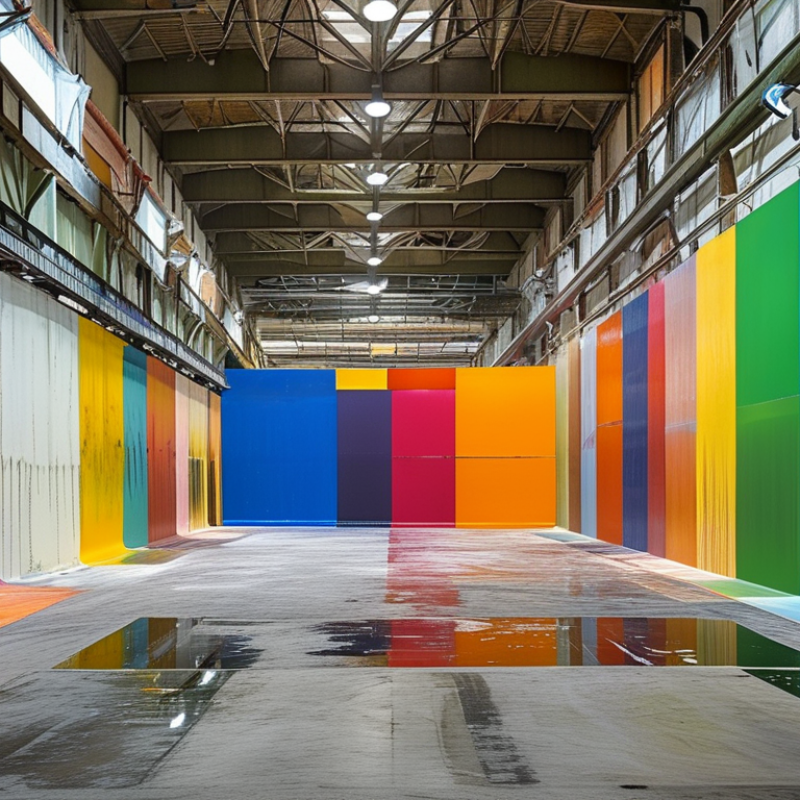
How to Choose the Best Spray Coating for Your Project?

Understanding Different Types of Spray Coatings Available

When it comes to selecting the right spray coating for projects, understanding the different types available is crucial. Each type serves distinct purposes. For example, epoxy-based coatings provide excellent adhesion and chemical resistance, making them ideal for industrial environments. According to a report by Grand View Research, the global epoxy coatings market is expected to reach $36 billion by 2027, highlighting their growing importance.


Acrylic spray coatings, on the other hand, offer flexibility and UV resistance. They are suitable for outdoor applications, as they withstand environmental factors well. In a survey conducted by Coatings World, 70% of professionals preferred acrylics for exterior projects due to their durability. However, it's essential to consider the type of surface before choosing a coating. A mismatch can lead to performance issues.


Tip: Always test a small area with your chosen spray coating first. This allows for adjustments and avoids costly mistakes. Ensure proper surface preparation; it’s key to a successful application. Sometimes, even minor imperfections in the base can ruin the finished look. Consider consulting with a coating specialist if unsure, especially for complex projects. Relying solely on DIY knowledge may not always yield the best results.

Evaluating the Surface Material for Coating Compatibility

Choosing the right spray coating begins with understanding the surface material. The success of the coating largely depends on its compatibility with that material. For example, metal surfaces often require a different spray formulation than wood or plastic. According to industry reports, almost 30% of coating failures stem from poor adhesion due to mismatched surface materials.

Evaluate the texture and porosity of the surface. Rough surfaces can hold paint better but may require a specific primer. Smooth surfaces might need extra adhesion promoters. A study highlighted that coatings on textured surfaces can increase lifespan by up to 50%. This indicates the importance of surface evaluation.

In some cases, manufacturers recommend certain coatings for specific materials. Ignoring these recommendations can lead to problems. Some coatings work well on multiple surfaces, but not all do. It’s vital to conduct a small test before full application. This simple step can save time and resources in the long run. Understanding surface compatibility is crucial for project success.

Assessing Project Requirements and Environmental Factors

Choosing the right spray coating begins with understanding your project requirements and environmental factors. Consider the surface type. Metal, wood, or plastic surfaces require different coatings. Assess any existing conditions, like rust or peeling paint. The coating must adhere properly to ensure durability.

Weather plays a crucial role in your choice. Humidity and temperature can affect application and curing. For example, high humidity can slow down drying time. Be mindful of outdoor projects. Choose coatings that can withstand the elements. Exposure to UV rays, rain, or snow requires durable options.

Tips: Test the coating in a small area first. Check for compatibility with the surface. Ensure the application environment is optimal—dry, cool, and ventilated. Adjust your choice based on feedback during application. It’s okay to rethink your initial decision. Sometimes a reputable option may not perform as expected. Reflect on these factors as you move towards a final choice.

Comparing Application Methods and Equipment Needed

Choosing the right application method for spray coating can be challenging. Various methods yield different results. Each technique has its benefits and drawbacks. For instance, airless spray systems offer high efficiency. They work well for larger surfaces. However, mastering these systems takes practice. You may face issues with overspray and uneven coverage.

Conversely, compressed air spray guns give more control. They are excellent for detailed work. Adjusting the pressure can change the finish. Yet, this method can produce more waste due to overspray. The learning curve is steep, and some users may struggle. A thorough understanding of each system is crucial.

Equipment selection plays a key role in outcomes. Air compressors, spray tips, and hoses must align with your project's needs. Poor-quality equipment may lead to frustration. It’s essential to assess your budget and project scale. Remember, experimenting with different methods can lead to surprising results. Don’t hesitate to reflect on your experiences. Learning from mistakes is vital in mastering spray coating.

Recognizing Safety Precautions and Environmental Regulations

When selecting a spray coating, it’s crucial to recognize safety precautions and comply with environmental regulations. Many spray coatings release volatile organic compounds (VOCs), which can harm both health and the environment. According to the EPA, VOCs can contribute to air pollution and may lead to respiratory issues. Such facts mandate a careful approach when choosing products.

Proper ventilation is essential during application. Wearing protective gear, including masks and gloves, can reduce the risk of inhaling harmful substances. Research from OSHA suggests that up to 30% of workers experience symptoms from poor air quality in workshops. This statistic emphasizes the importance of safety measures when working with spray coatings.

Environmental regulations vary by location. For example, some states enforce stricter limits on VOC content in coatings. Choosing coatings that comply with these regulations ensures both safety and environmental compliance. However, not all coatings offer adequate protection. Some may deceive users by appearing eco-friendly yet lack proper certification. Always verify claims to avoid potential health hazards and legal issues.

FAQS

: What factors should I consider when choosing a spray coating?

: Consider surface type, existing conditions, and environmental factors like humidity and temperature.

Why is surface compatibility important for spray coatings?

Mismatched surfaces account for 30% of coating failures due to poor adhesion.

How can I ensure proper adhesion for my spray coating?

Prepare the surface well. Evaluate texture and porosity and choose the right primer if needed.

What types of spray coatings are available for different surfaces?

Epoxy-based coatings are good for industrial use, while acrylics are ideal for outdoor applications.

Should I test a small area before applying the coating?

Yes, testing helps avoid costly mistakes and allows for adjustments based on performance.

How do environmental factors affect coating application?

High humidity and temperature can slow down drying and curing times, affecting the final result.

What if my initial coating choice isn’t performing as expected?

It’s okay to rethink your decision and adjust based on observed performance during application.

Can certain coatings only be used on specific materials?

Yes, some coatings are designed for particular materials; ignoring manufacturer recommendations can lead to problems.

How can surface texture impact the lifespan of a coating?

Textured surfaces may hold paint better and can increase the coating’s lifespan by up to 50%.

Is it wise to rely solely on DIY knowledge when selecting spray coatings?

Not always. Consulting a coating specialist can provide valuable insights for complex projects.

Conclusion

When choosing the best spray coating for your project, it's essential to understand the various types of spray coatings available and how they align with your specific needs. Start by evaluating the surface material you plan to coat, as compatibility is crucial for a successful application. Consider the project requirements, including environmental factors, that may influence the type of coating and the method of application.

Additionally, it's important to compare different application methods and the equipment needed for each type of spray coating. Always prioritize safety precautions to protect yourself and the environment while adhering to relevant regulations. By carefully assessing these factors, you can select a spray coating that meets your project goals effectively and safely.


Henry

Henry

Henry is a dedicated marketing professional with a profound expertise in the company's offerings. With years of experience in the industry, he possesses an impressive understanding of the market dynamics and consumer behaviors that drive success. Henry is committed to sharing his insights through......