In recent years, Powder Coat Paint has gained tremendous popularity in various industries. This remarkable finish offers durability and a sleek aesthetic that traditional paints often cannot match. By applying a dry powder that is cured under heat, it forms a tough layer that resists chipping, scratching, and fading. Many businesses and DIY enthusiasts are now opting for this method for both its functional and visual appeal.
Choosing Powder Coat Paint for your projects can lead to impressive results. The process is environmentally friendly, as it produces minimal waste and hazardous fumes. Additionally, the variety of colors and textures available allows for endless creativity. However, it’s essential to consider factors like adhesion and surface preparation to achieve the best outcomes.
While the benefits are numerous, there can be challenges. Successful application requires careful attention to detail. Any imperfections in the surface preparation can lead to unsatisfactory results. A clear understanding of the techniques involved is crucial. This knowledge ensures the longevity and visual appeal of the finish, making Powder Coat Paint a reliable choice.
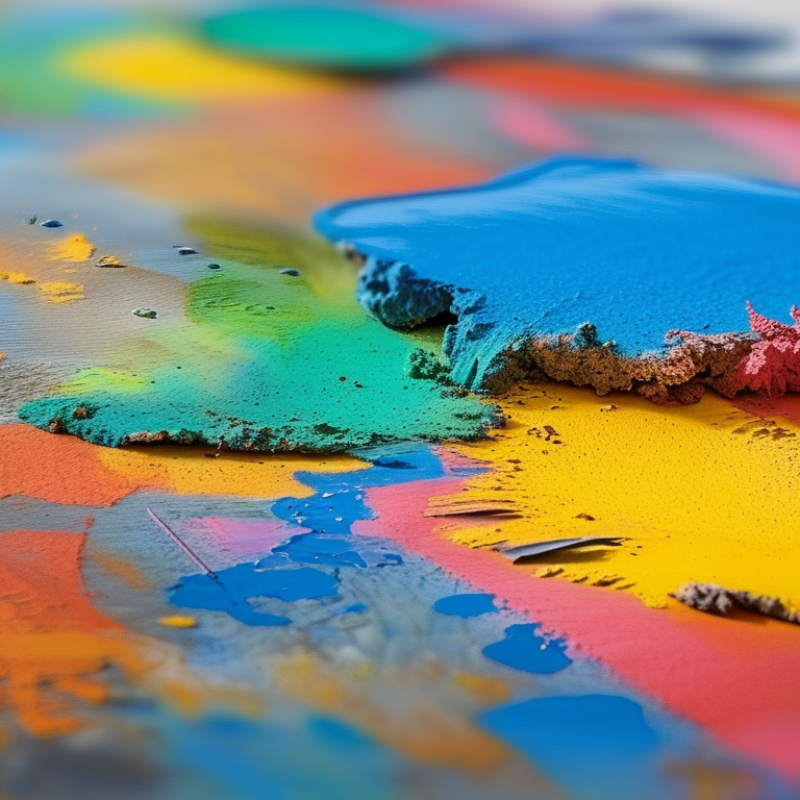
What is Powder Coat Paint: Definition and Composition Overview
Powder coat paint is a widely used finishing technique that offers durability and an attractive finish. It consists of finely ground particles of pigment and resin. When applied electrostatically and cured with heat, it forms a tough layer. Unlike traditional liquid paints, powder coatings emit little to no volatile organic compounds (VOCs), making them an environmentally friendly choice. According to a report by the Powder Coating Institute, the sector experienced a growth rate of approximately 6% annually over recent years.
The composition of powder coat paint usually involves thermoset or thermoplastic resins, color pigments, and various additives. Thermoset powders cure into a stable structure, while thermoplastic powders can be re-melted. This unique chemistry allows for a variety of finishes—glossy, matte, or textured. Data shows that industries utilizing powder coating often report a significant reduction in maintenance costs due to its superior resistance to scratching, chipping, and fading.
Despite its benefits, not all applications are suitable for powder coating. There are challenges in applying it to complex shapes or for colors that require matching to specific standards. Also, initial setup costs can be higher than traditional methods, potentially impacting small projects. Nonetheless, its long-term advantages are attracting more industries to consider powder coat paint for robust, aesthetically pleasing results.
The Advantages of Powder Coat Paint Compared to Traditional Paints
Powder coat paint offers several advantages over traditional liquid paints. According to a report by the Powder Coating Institute, powder coating can provide a thicker, more uniform finish without runs or drips. This quality often results in a smoother appearance and greater durability. The process involves applying electrostatically charged powder to metal surfaces, followed by curing in an oven. This method minimizes waste, making it an environmentally friendly option.
One significant benefit of powder coat paint is its resistance to chipping, scratching, and fading. A study from the European Coatings Journal reveals that powder coatings can be up to three times more resistant to wear compared to traditional paints. It also withstands harsh weather conditions, maintaining its integrity in extreme temperatures. However, this technology does come with a caveat. The initial investment in equipment and setup can be substantial. Projects may also require specific material compatibility, which can limit its versatility for some applications.
When choosing a finishing solution, consider long-term performance against upfront costs. The durability of powder coatings may lead to savings in maintenance and replacement over time. While traditional paints have their place, the benefits of powder coating create a compelling case for many industrial and residential projects.
Key Industries and Applications Utilizing Powder Coating Technology
Powder coating technology is widely used across various industries due to its durability and aesthetic appeal. The automotive sector, for instance, has embraced powder coating for vehicle parts. According to a recent industry report, nearly 70% of vehicles use powder-coated finishes. This method enhances resistance to chipping, scratching, and fading, contributing to longer-lasting products.
Another key industry is aerospace. Powder coatings are preferred for their lightweight and protective qualities. Coatings can withstand extreme temperatures and environmental conditions. Data indicates that powder coatings have reduced maintenance costs by up to 30% in aerospace applications. This not only enhances safety but also boosts the longevity of components.
In addition, the architectural sector benefits significantly from powder coatings. Railings, fences, and window frames are commonly coated to improve weather resistance. Reports suggest that powder coatings can extend the lifespan of these elements by 15 years. However, meeting specific application standards can be a challenge. Achieving the perfect finish requires experienced professionals and precise techniques. Each project must be tailored to ensure quality and effectiveness.
Environmental Impact and Sustainability of Powder Coating Processes
Powder coating is a popular finishing method that offers significant environmental benefits. Unlike traditional liquid paints, powder coatings do not contain solvents. This reduces volatile organic compounds (VOCs), which contribute to air pollution and health risks. According to a study by the Environmental Protection Agency (EPA), powder coating can reduce VOC emissions by up to 90%. This shift helps manufacturers comply with stricter regulatory standards while promoting sustainability.
The powder coating process generates less waste compared to conventional painting. Over-sprayed powder can be collected and reused, minimizing material loss. A report from the Powder Coating Institute highlights that 98% of applied powder can be reclaimed. This efficient use of materials contributes to resource conservation. However, the energy consumption during curing requires careful consideration. While powder coatings are efficient, the need for high-temperature ovens means that energy sources influence overall sustainability.
Employing powder coating also reflects a commitment to environmental stewardship. Many manufacturers are adopting eco-friendly practices, driven by consumer demand for sustainable products. Yet, the industry faces challenges, such as recycling used coatings and energy consumption. Addressing these issues will be crucial for enhancing the sustainability profile of powder coating processes. Balancing innovation with environmental responsibility can redefine how industries approach finishing technologies.
Cost-Effectiveness and Durability of Powder Coating in Long-Term Projects
Powder coat paint has gained popularity in recent years for its unique benefits. One of the standout features is its cost-effectiveness, particularly in long-term projects. Unlike conventional paint, powder coating often requires fewer touch-ups. This results in lower maintenance costs over time. The application process creates a tough, uniform finish that resists scratches and chips. So, fewer repairs mean more savings.
Durability is another critical aspect. Powder coating can withstand extreme environmental conditions. It holds up against UV rays, moisture, and temperature changes. This resilience makes it ideal for outdoor furniture and equipment. However, it is important to note that improper application can lead to uneven surfaces or peeling. Carful preparation and application are essential to avoid these potential issues.
Choosing powder coating can be a smart investment, but it comes with challenges. Waiting for the curing process adds to project timelines. Additionally, the initial cost may be higher than traditional paints. Nevertheless, considering its longevity and low upkeep, many find it worthwhile. The right approach can lead to remarkable results.
Cost-Effectiveness and Durability of Powder Coating in Long-Term Projects
This chart illustrates the comparison between powder coating and traditional paint regarding initial cost, durability, maintenance cost, and energy efficiency. As seen, powder coating proves to be more cost-effective and durable over time.
FAQS
: Powder coat paint is a finishing technique using ground particles of pigment and resin. It forms a durable layer when heated.
Unlike liquid paints, powder coatings emit little to no VOCs. This makes them more environmentally friendly and safer to use.
Powder coat paint typically contains thermoset or thermoplastic resins, color pigments, and various additives for different finishes.
Automotive, aerospace, and architectural sectors are key users. They benefit from powder coating’s durability and aesthetic appeal.
Yes, applying powder coating to complex shapes can be difficult. Matching specific colors and initial setup costs can be issues.
Yes, powder coating often requires fewer touch-ups, leading to lower maintenance expenses. This makes it cost-effective in the long run.
Powder coatings emit minimal harmful compounds, making them a greener choice compared to traditional paint options.
Yes, powder coating can withstand UV rays and moisture, making it ideal for outdoor furniture and equipment.
Improper application can lead to uneven surfaces or peeling. Careful preparation is essential for a quality finish.
Consider project timelines, initial costs, and the curing process. Despite challenges, long-term benefits often make it worthwhile.
Conclusion
Powder Coat Paint is a specialized finishing process that involves applying a dry powder to metal surfaces, which is then cured under heat to form a durable and protective layer. This method offers several advantages over traditional paint, including superior adhesion, resistance to chipping and scratching, and a more even finish. It is widely utilized across various industries, including automotive, furniture, and electronics, due to its versatility and effective performance.
Moreover, Powder Coat Paint stands out for its environmentally friendly profile, as it produces fewer volatile organic compounds (VOCs) compared to liquid paints, promoting sustainable practices. In terms of cost-effectiveness and durability, powder coating proves to be a long-term investment, often requiring less maintenance and providing a longer lifespan for finished products. This makes Powder Coat Paint an ideal choice for a wide range of projects, ensuring both aesthetic appeal and longevity.

 SSEART