China Top 10 Clear Powder Coat Manufacturers introduces leading suppliers serving architectural, automotive, appliance, and industrial markets. Clear Powder Coat can create a bright, protective surface while preserving the texture beneath it. However, the result depends on more than gloss level. Pretreatment, film thickness, curing temperature, resin chemistry, and substrate preparation all influence performance.
Patrick H. McDaniel, a recognized powder-coating author and consultant, has emphasized, “Surface preparation is the foundation of coating performance.” That principle guides this review. Each manufacturer should be assessed through practical evidence, including production capacity, laboratory testing, quality control, technical support, and experience with transparent finishes. Samples deserve close inspection. Look for edge coverage, pinholes, orange peel, yellowing, and inconsistent clarity. Small defects matter.
No ranking is perfect. A supplier with excellent samples may lack strong export support. Another may offer competitive pricing but limited color or gloss control. These differences need honest attention. Buyers should request technical data sheets, sample panels, curing recommendations, and compliance documentation before making decisions. Factory visits can reveal more than polished brochures. Check clean spray areas, powder storage, inspection equipment, and batch traceability.
This guide aims to provide a practical starting point. It does not replace independent testing or customer audits. Clear Powder Coat performance varies with climate, metal type, handling, and application design. Careful comparison remains essential. Sometimes, the clearest finish exposes the weakest preparation.
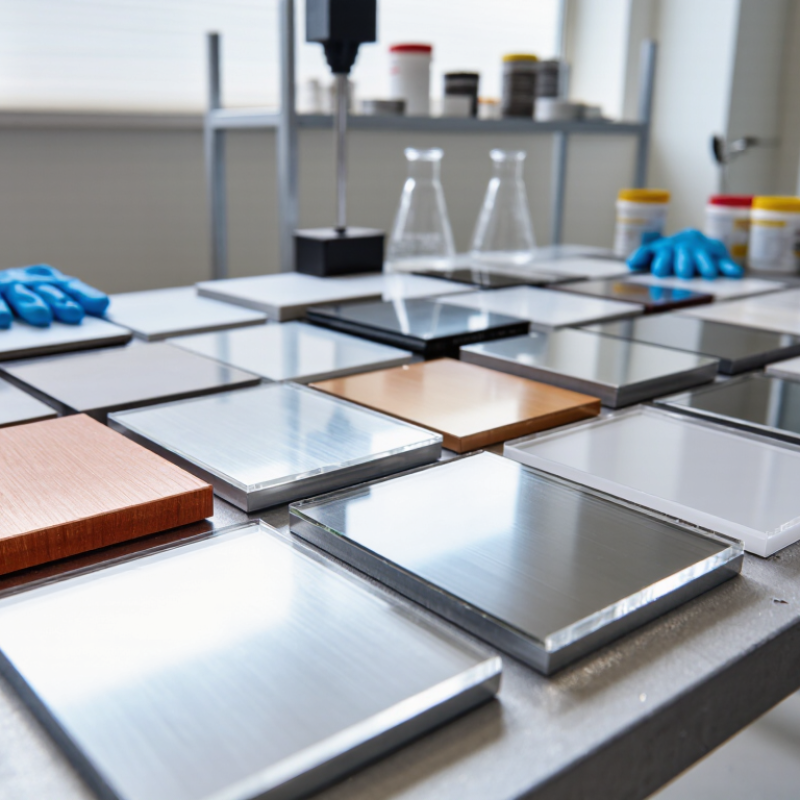
What Clear Powder Coating Is and Why It Matters
China Top 10 Clear Powder Coat Manufacturers
Clear powder coating is a dry finishing material applied as charged powder. Heat melts and cures it into a protective film. Unlike liquid lacquer, it contains no solvent evaporation during application. It is not invisible. The coating can appear glass-like, satin, or slightly tinted, depending on the resin and additives.
Its value depends on the surface beneath it. Clear finishes preserve metallic textures, brushed patterns, and clean architectural lines. They can also improve resistance to moisture, abrasion, and everyday handling. However, clear powder does not repair weak metal preparation. Oil, oxide, or dust may cause pinholes and poor adhesion. Preparation decides everything.
When comparing Chinese manufacturers, request technical data, batch records, and cured sample panels. Check film thickness, gloss retention, adhesion, and curing conditions. A common working range is about 50 to 100 microns, but the correct level depends on the product and substrate. Test panels should include edges, corners, and real production geometry. Small defects remain visible. Overbaking may yellow the film, while under-curing can reduce hardness. Salt-spray results also need careful interpretation; they do not replace proper pretreatment or field testing. A reliable supplier explains these limitations instead of promising a perfect finish every time.
How China’s Leading Clear Powder Coat Manufacturers Are Evaluated
Evaluating China’s leading clear powder coat manufacturers requires more than comparing catalog prices. The real test begins with formulation control, production records, and repeated laboratory results. Experienced buyers inspect resin selection, curing behavior, gloss retention, and resistance to yellowing. A clear finish must remain transparent after heat exposure, handling, and outdoor service. Small details matter. Can production teams explain them clearly?
Reliable evaluation includes a factory audit, not only a polished sample panel. Inspectors may review raw material storage, sieve maintenance, humidity control, and batch traceability. They should request technical data sheets, safety documents, and test methods with defined conditions. Useful tests include adhesion, impact resistance, chemical resistance, and accelerated weathering. Salt-spray results alone can mislead. The substrate and pretreatment often influence the outcome more than expected.
Professional manufacturers support trials on the buyer’s actual metal, not just standard laboratory panels. Their technicians should adjust curing windows and explain film thickness limits. Production consistency deserves close attention. Compare several batches, then check gloss, transparency, and surface defects under direct light. No supplier performs perfectly in every application. Even strong technical teams may overlook a difficult substrate or unusual oven profile. That weakness is useful to identify early, before commercial production begins.
Profiles of the Top 10 Clear Powder Coat Manufacturers in China
China’s clear powder coat sector includes manufacturers with different strengths, equipment, and application experience. A northern producer focuses on polyester clear coats for outdoor steel furniture. Its laboratory checks gloss, transparency, and yellowing after accelerated exposure. A coastal manufacturer develops low-temperature formulas for aluminum profiles. This can reduce energy use, but curing windows require careful control.
An inland supplier serves appliance and lighting factories. It emphasizes smooth flow and low surface defects. A specialist near a major port produces high-gloss clear coatings for decorative metal parts. Its packing process helps protect powder from moisture during shipment. Another manufacturer concentrates on textured clear finishes, using controlled particle sizes for stable appearance. A sixth producer supports architectural projects with weather-resistant systems and documented batch traceability. These records improve confidence during color and film inspections.
A seventh facility combines clear primers with protective topcoats for industrial components. Its technical team often adjusts formulas after checking substrate preparation. A smaller manufacturer supplies trial quantities for custom projects. That flexibility is useful, although production consistency may need closer monitoring. An automated plant serves high-volume orders and uses inline screening equipment. Its efficiency is strong, but customized changes can take longer. The final profile is a research-oriented producer testing bio-based additives and improved flow agents. Results appear promising, yet long-term field evidence remains limited. Buyers should compare resin type, curing temperature, gloss retention, storage conditions, and technical support before selection. A clear finish reveals mistakes quickly. Surface preparation still matters most.
Key Differences in Products, Technology, and Industry Applications
China Top 10 Clear Powder Coat Manufacturers: Key Differences in Products, Technology, and Industry Applications
China’s top ten clear powder coat manufacturers differ in resin chemistry, gloss control, and curing stability. Polyester systems suit outdoor railings, lighting housings, and architectural aluminum. Epoxy-polyester hybrids often perform better on indoor cabinets and appliances. Clear finishes expose defects easily. Pretreatment quality matters as much as coating quality. A small dust particle can become highly visible after curing.
Technology separates experienced suppliers from basic processors. Advanced lines use automatic guns, infrared curing, and controlled film thickness. The U.S. Environmental Protection Agency reports that powder coating can achieve transfer efficiency above 95% in suitable operations.
However, actual results depend on booth design, recovery systems, and operator discipline. Grand View Research valued the global powder coatings market at approximately USD 15.5 billion in 2023, with continued growth expected through 2030.
This demand encourages innovation, but not every factory has equal testing depth. Ask for QUV weathering, adhesion, gloss retention, and impact-resistance data. One inspection is never enough.
Tips: Match the coating to exposure, not appearance. Request panels cured on your exact substrate. Check color variation between production batches. Confirm testing standards, film thickness, and warranty conditions in writing. A clear finish may seem simple. It is not. Even strong specifications can miss edge coverage, recoat behavior, or contamination risks.
How to Select the Right Chinese Clear Powder Coat Manufacturer
China Top 10 Clear Powder Coat Manufacturers
Selecting the right Chinese clear powder coat manufacturer requires more than comparing price lists. Grand View Research reported that the global powder coatings market exceeded USD 16 billion in 2023, with continued growth driven by durable, low-emission finishes. This expansion attracts capable factories, but also inexperienced suppliers. Ask for recent technical data sheets, safety documents, and batch inspection records. Do not rely on polished samples alone.
A reliable manufacturer should explain its resin system, curing range, gloss retention, and resistance to yellowing. Request panels coated on your actual substrate, not only aluminum coupons. Check transparency under different lighting. Small haze can become obvious on dark metal. For exterior products, request accelerated weathering results and salt-spray data. ISO and ASTM test methods add useful structure, although test conditions rarely match every installation.
MarketsandMarkets has projected steady growth for powder coatings through the decade, increasing pressure for consistent production and shorter delivery cycles. Visit the factory when possible. Review laboratory equipment, pigment storage, sieve maintenance, and traceability from raw material to finished box. Confirm minimum order quantities, color adjustment procedures, complaint handling, and replacement policies in writing. A low quotation can still become expensive after rework. I would also order repeat batches before approving mass production. One test batch is not enough. Supplier claims deserve verification, and my own judgment can still be wrong.
How to Select the Right Chinese Clear Powder Coat Manufacturer
A practical procurement model for comparing manufacturers without relying on company or brand data. Product consistency and compliance receive the highest weights because they directly affect coating performance, qualification, and long-term supply risk.
The percentages represent recommended evaluation weights for a clear powder coating sourcing project. Buyers should validate each category through samples, technical documents, test reports, factory audits, and commercial quotations.
Conclusion
This article presents a practical guide to China’s top 10 Clear Powder Coat manufacturers, beginning with an explanation of what clear powder coating is and why it matters. It explores how this finish can provide attractive appearance, surface protection, durability, and reduced environmental impact across different industrial applications. The manufacturers are evaluated according to product consistency, raw material quality, technical expertise, production capacity, quality control, customization options, certifications, delivery performance, and customer support.
The article then compares key differences in formulation, gloss and transparency, curing requirements, weather resistance, application technology, and suitable industries. It also explains how to select the right Chinese manufacturer by considering project requirements, coating performance, testing procedures, order volume, technical communication, pricing, and long-term cooperation potential. By combining these evaluation factors, readers can better understand the market, identify reliable production partners, and choose a Clear Powder Coat supplier whose capabilities match their specific finishing and application needs.

 SSEART