Explore our premium-grade powder coating solutions tailored for consumer electronics enclosures, structural metals, and industrial equipment requiring strict CE, RoHS, and REACH compliance.
In the rapidly changing landscape of international trade and hardware innovation, securing CE Certification (Conformité Européenne) is more than just a regulatory hurdle—it is a vital seal of trust, safety, structural integrity, and eco-friendly manufacturing. For global OEM/ODM brands, procurement managers, and hardware designers sourcing consumer electronics, energy storage cabinets, smart appliances, and 3C hardware from Chinese manufacturing hubs, establishing an end-to-end compliant supply chain is critical.
This technical whitepaper explores the operational synergy between advanced surface finish chemistry—specifically zero-VOC high-performance powder coatings—and the stringent demands of CE certification directives (including RoHS 2.0, REACH, EMC Directive 2014/30/EU, and LVD 2014/35/EU). As global markets pivot toward sustainable Industry 4.0 paradigms, leading manufacturers like Tianjin SSEART New Materials Co., Ltd. serve as key partners, delivering certified material science solutions that enhance device longevity, aesthetic elegance, and regulatory compliance.
The global consumer electronics (3C) sector is undergoing a massive shift driven by IoT connectivity, miniaturization, high energy-density batteries, and strict green compliance requirements. Selling electronic equipment within the European Economic Area (EEA) requires satisfying multiple harmonized European standards.
CE marking covers a wide range of mandates. While electrical safety (LVD) and electromagnetic compatibility (EMC) are crucial for circuit design, surface finishes directly affect chemical compliance under the RoHS 2.0 Directive (2011/65/EU and 2015/863) and REACH Regulation (EC 1907/2006).
Substances like Lead (Pb), Cadmium (Cd), Mercury (Hg), Hexavalent Chromium (Cr6+), PBBs, and PBDEs are strictly banned in hardware coatings. Leading coating manufacturers eliminated all lead-containing raw materials as early as 2012, ensuring compliant products for global markets.
Advanced powder coatings provide structural surface protection while serving as functional dielectric insulation. This prevents short circuits, enhances flame retardancy (UL94-V0 equivalent ratings), and resists surface tracking in high-density electronic assemblies.
| EU Regulatory Directive | Core Scope & Target Area | Impact on Outer Enclosures & Surface Coatings |
|---|---|---|
| RoHS Directive 2011/65/EU | Restriction of Hazardous Substances in Electrical and Electronic Equipment | Mandates strict limits (<1000 ppm) on heavy metals and plasticizers in powder coating pigments, resins, and curing agents. |
| LVD Directive 2014/35/EU | Low Voltage Electrical Equipment Safety | Requires coatings to maintain high dielectric breakdown strength, electrical insulation, and heat resistance up to specified operating limits. |
| EMC Directive 2014/30/EU | Electromagnetic Compatibility Engineering | Specialized functional coatings (conductive matrix or non-interference insulating barriers) safeguard sensitive internal circuitry. |
| REACH (EC No 1907/2006) | Chemical Registration, Evaluation & Authorization | Ensures coating formulations are free of SVHCs (Substances of Very High Concern), protecting end users from toxic off-gassing. |
Traditionally, consumer electronics relied heavily on solvent-based liquid spray paints. However, global environmental regulations, ESG corporate mandates, and physical performance limitations have driven a massive industry migration toward thermosetting powder coatings. Modern consumer electronics factories are re-engineering their finishing lines for several key reasons:
Liquid paints release high concentrations of Volatile Organic Compounds (VOCs) and Hazardous Air Pollutants (HAPs). Solvent-free powder coatings release virtually zero VOCs. Up to 98% of oversprayed powder can be reclaimed and reused, reducing material waste and lowering carbon footprints for CE certified facilities.
Consumer devices—ranging from smartphones and laptops to smart home hubs and outdoor e-mobility frames—face daily wear and abrasion. Thermoset polyester, polyurethane, and epoxy-hybrid powder coatings provide superior impact resistance, salt spray corrosion protection (>1000 hours), scratch resistance, and sweat/chemical immunity.
Modern consumers demand premium visual appeal. Today’s advanced powder formulations support high-gloss, ultra-matt, fine wrinkle textures, metallic glitter bonding, sand textures, and vibrant fluorescent accents without compromising mechanical durability.
International procurement executives and supply chain directors facing volatile geopolitical shifts prioritize risk reduction, compliance confidence, and batch-to-batch consistency. Sourcing from certified Chinese manufacturers requires validating key operational capabilities:
China's smart manufacturing infrastructure provides unmatched resilience, cost efficiency, and technical scale. At the forefront of advanced surface finishing technology for consumer hardware is Tianjin SSEART New Materials Co., Ltd. (also operating as Tianjin Shengda New Materials Co., Ltd.).
Established in 2000, SSEART has dedicated over two decades to the research, development, production, and global distribution of ultra-high-performance powder coatings. Recognized as a national High-Tech Enterprise and a certified "Specialized, Refined, Distinctive, and Innovative" industrial pioneer, SSEART serves as an authoritative council member of the China Fashion Color Association.
By enforcing a rigorous full-process quality management strategy, SSEART eliminated all lead-containing raw materials across its entire product catalog in 2012—setting an industry precedent for green manufacturing. Every batch produced complies fully with EU RoHS, REACH, and CE hardware enclosure standards.
SSEART's technological edge stems from strategic investments in R&D infrastructure and academic collaborations with elite engineering institutions:
Equipped with state-of-the-art instruments for particle size analysis, differential scanning calorimetry (DSC), laser colorimetry, core raw material chemical testing, and accelerated weatherometers to ensure scientific precision.
In 2019, SSEART established a formal technological partnership with the Particle Technology and Fluidization Research Group (PRTFC) at Tianjin University, accelerating breakthroughs in ultra-fine fluidization and eco-friendly powder application.
The joint R&D initiative is spearheaded by Professor Zhu Jingxu (Fellow of the Royal Society of Canada and the Canadian Academy of Engineering) and Professor Zhang Hui (Member of Tianjin's "Thousand Talents Program").
Our commitment to quality, environmental safety, and regulatory compliance is backed by international certifications and patents:
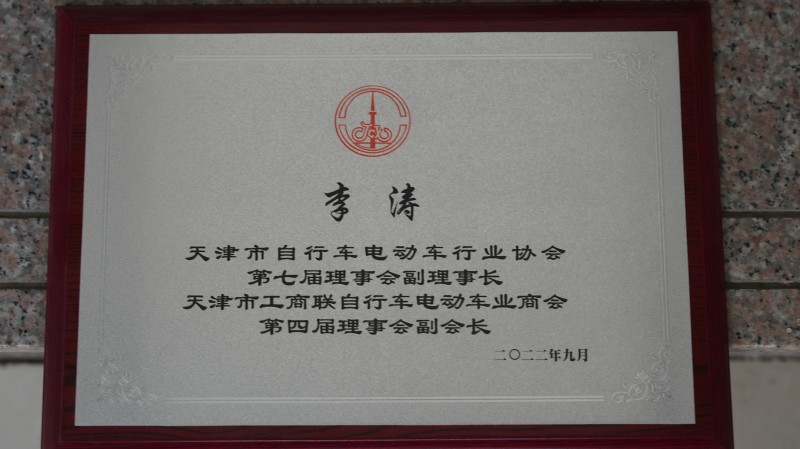
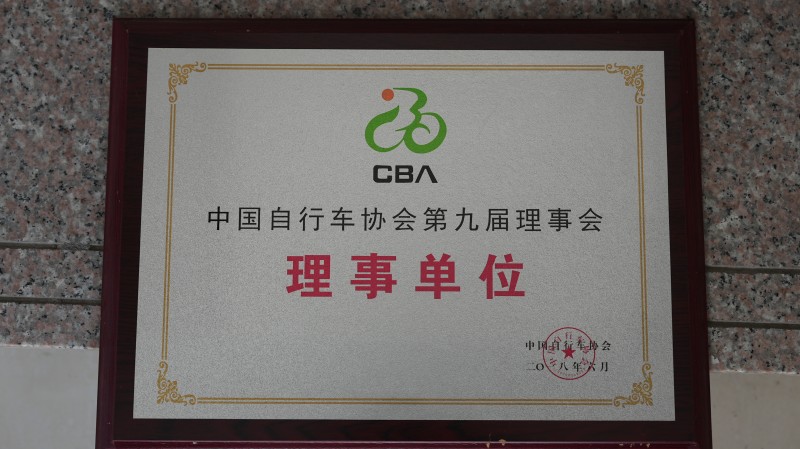
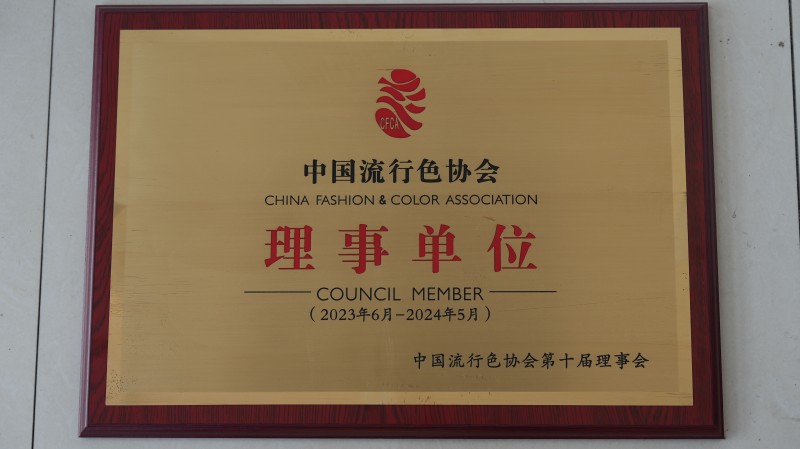
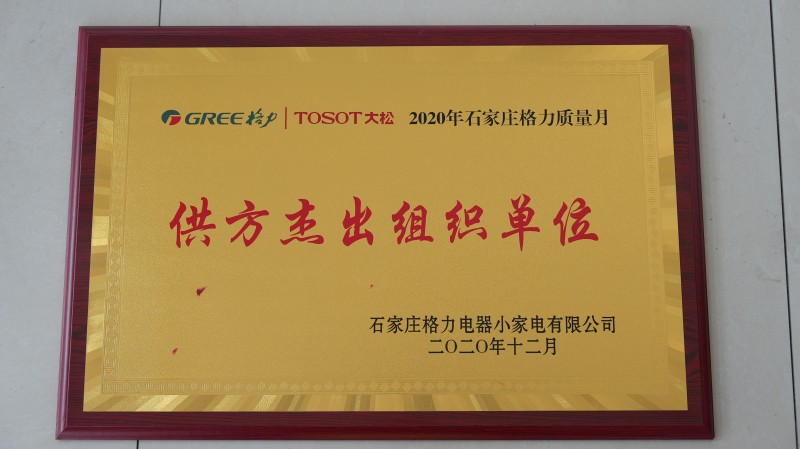
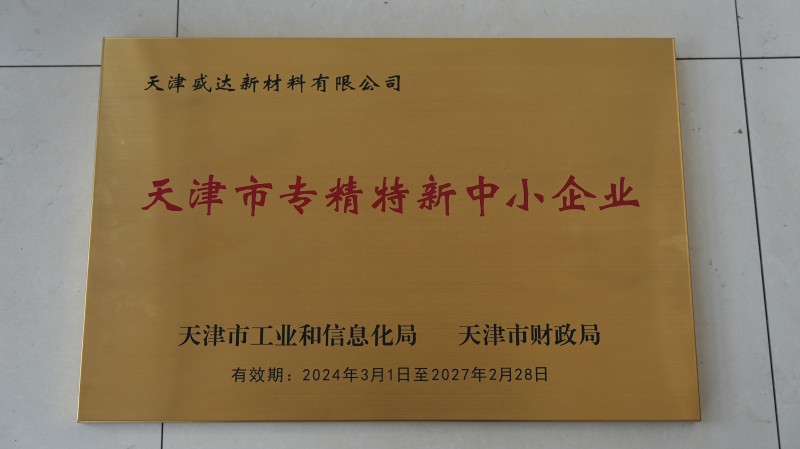
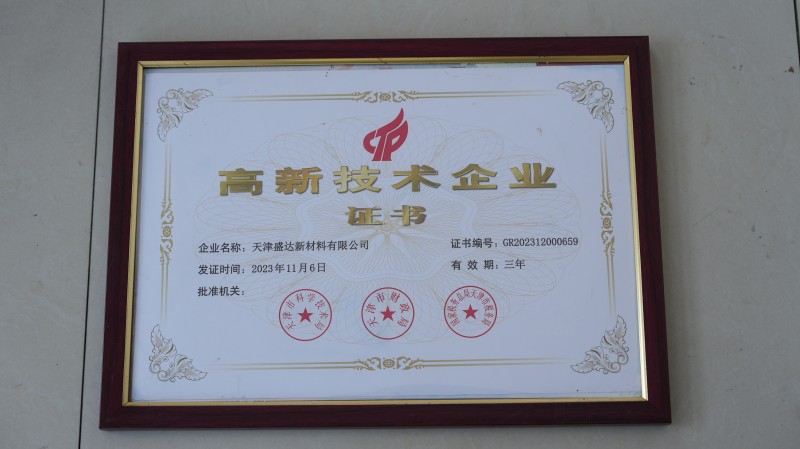
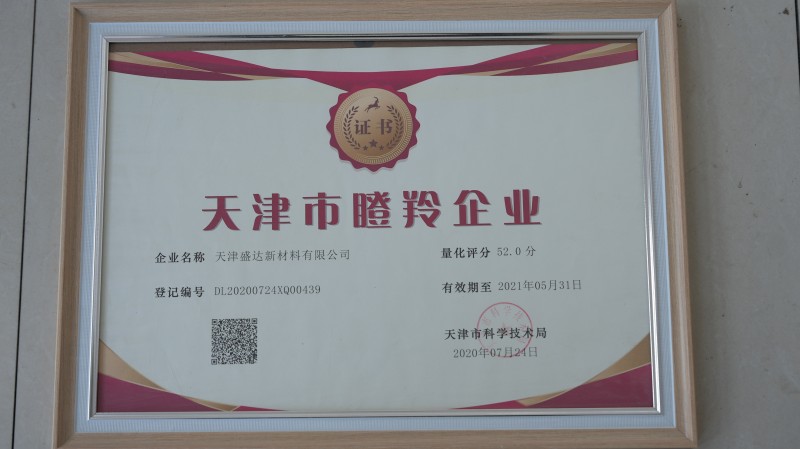
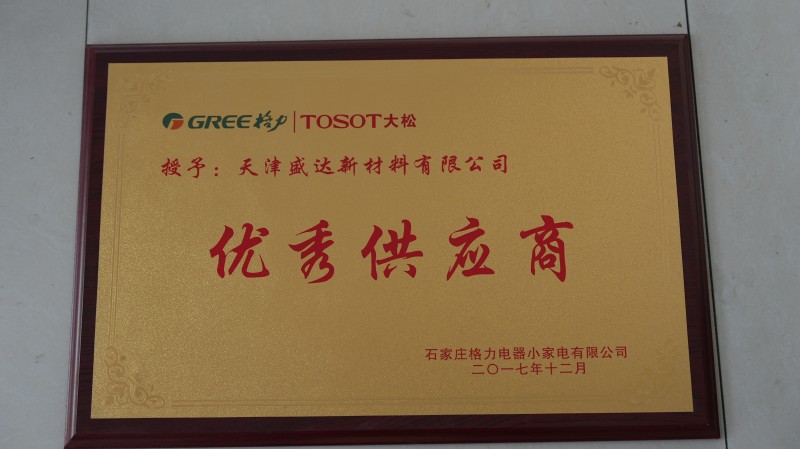
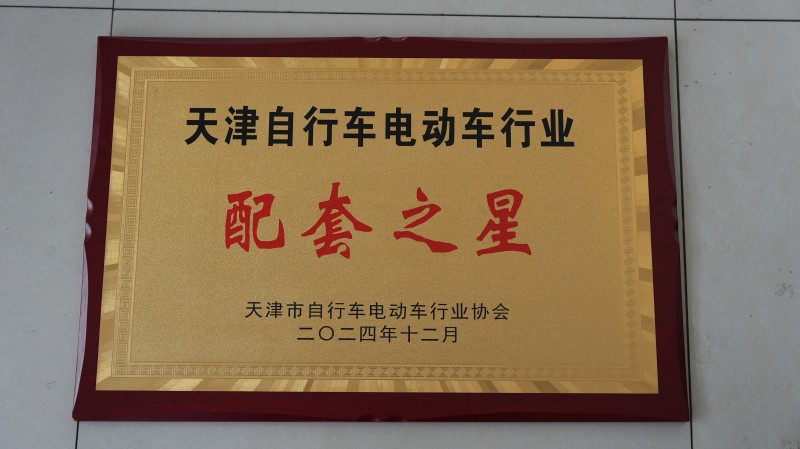
SSEART is a trusted supplier to global leaders across consumer electronics, e-mobility, agricultural machinery, and green energy infrastructure.










SSEART provides tailored coating solutions designed for diverse industrial applications, consumer electronics chassis, and specialized hardware.
RAL & Pantone compliant high-durability baseline finishes for mass hardware production.

Vibrant color matching systems designed for custom consumer branding and 3C devices.
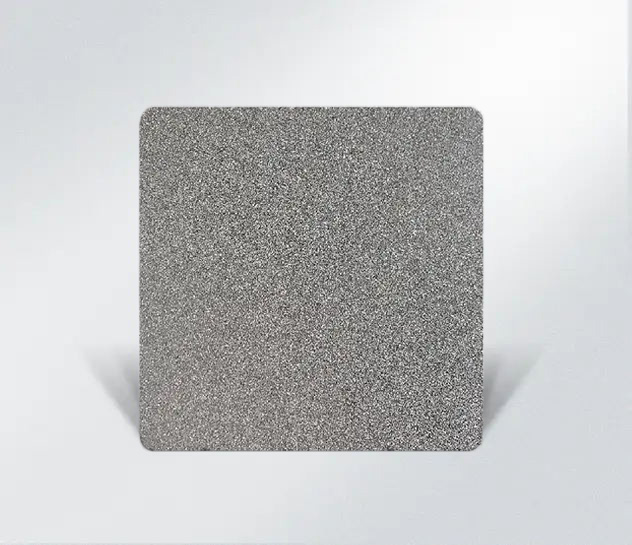
Advanced bonded metallic pigments for champagne gold, silver chrome, and bronze finishes.
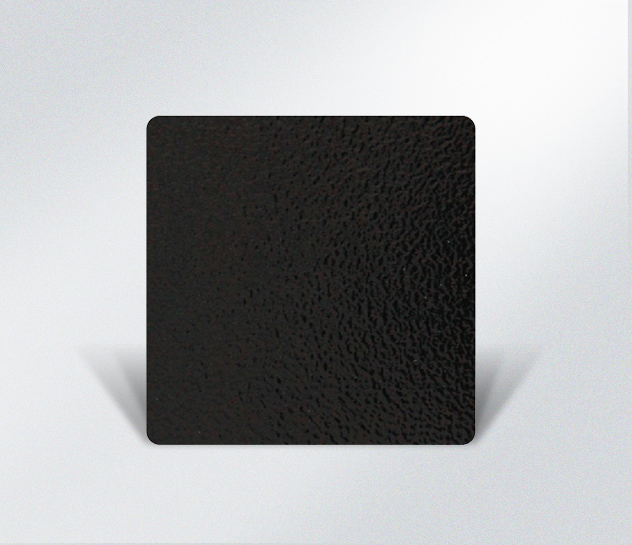
Hammered tones, crocodile textures, and antique finishes for architectural luxury hardware.
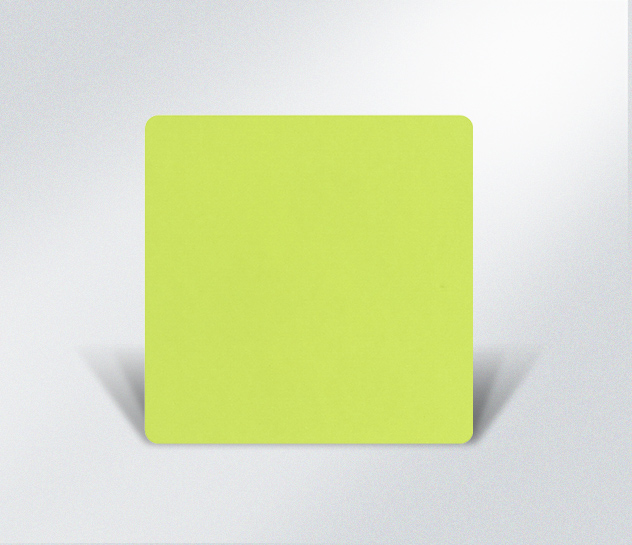
High-visibility neon green, red, and yellow powders optimized for sports and safety gear.
Ultra-low temperature curing coatings for thin-gauge sheet metals and delicate alloys.
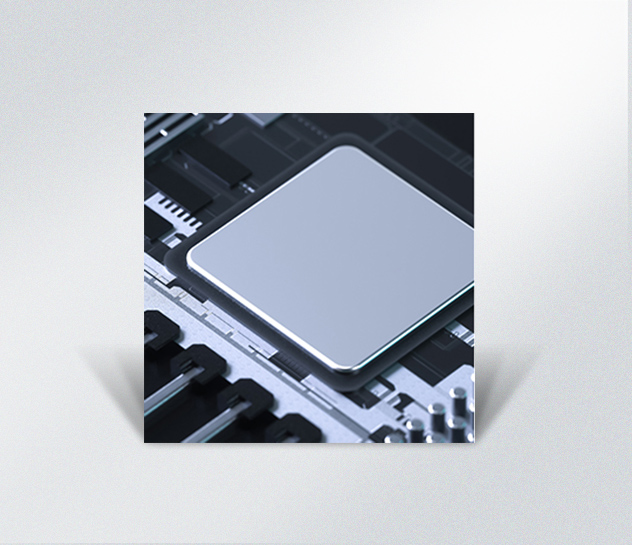
Anti-bacterial, anti-graffiti, super-weatherable, and electrical insulating coatings.

Comprehensive range of customizable powder coatings engineered to exact buyer specs.
From initial color matching to final delivery, SSEART follows a rigorous, quality-controlled customization workflow:
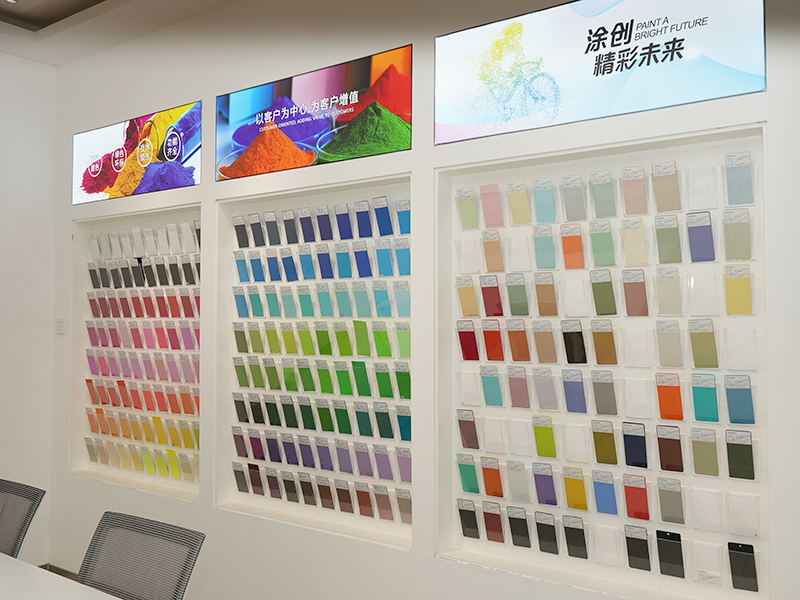
Target Spectrophotometry & Surface Gloss Calibration.
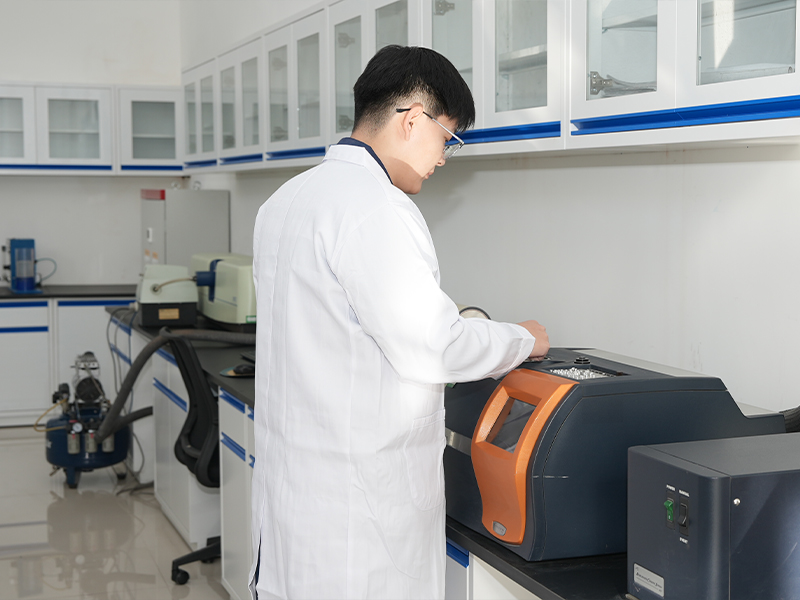
Chemical Resin & Curing Agent Synthesis.
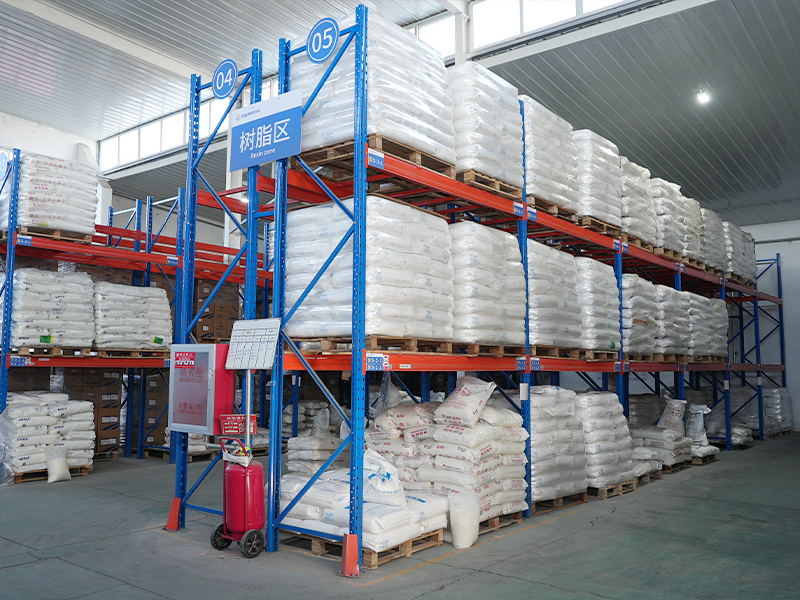
Screening for 100% Lead-Free & RoHS Compliance.
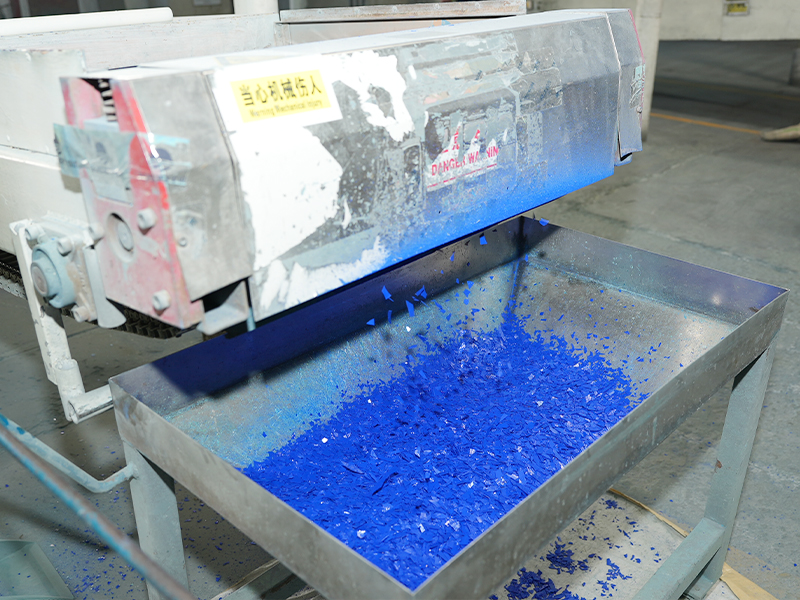
Automated Extrusion & Fine Particle Milling.
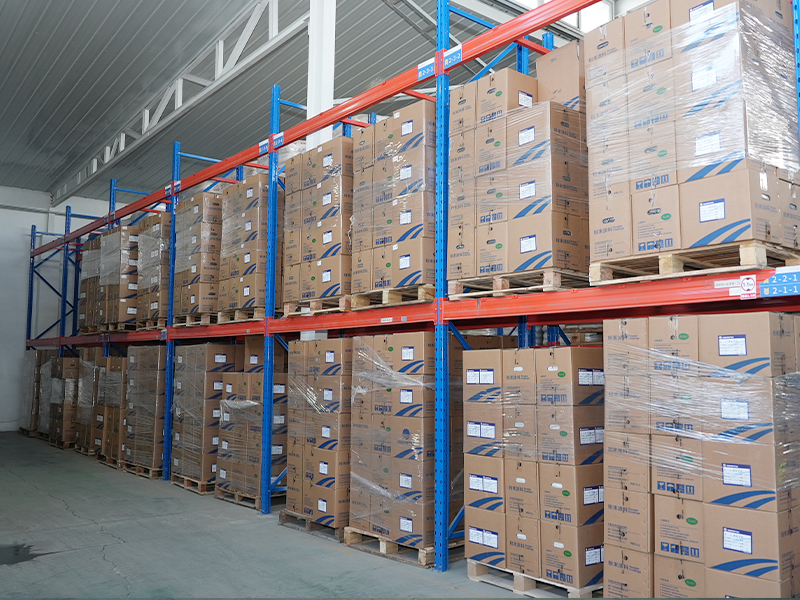
Sealed Moisture-Proof Packaging & Fast Shipping.
SSEART's CE certified coatings are used across diverse global industries, delivering consistent durability and visual quality for leading OEMs:

Powers laptop aluminum chassis, server rack enclosures, peripheral casings, and smart speaker frames. Provides scratch resistance, fingerprint immunity, and heat stability under high CPU/GPU thermal loads.

Protects commercial energy storage systems (ESS), lithium battery packs, and EV charging stations from outdoor UV degradation, moisture, and corrosion, satisfying strict electrical safety standards.

SSEART co-drafted the "Chinese Bicycle Coating Standards". Supplies high-impact weatherable powders for electric scooters and e-bikes exported worldwide.

Delivers durable primers and topcoats for alloy wheels, wiper arms, roof racks, and EV powertrain heat sinks, meeting stringent automotive salt-spray and stone-chip specifications.

Ideal for washing machines, air conditioner outdoor units, microwave bodies, and refrigerators, offering chemical resistance against detergent spills and moisture.

Heavy-duty protective finishes engineered for commercial gym equipment, agricultural machinery, and building construction hardware exposed to harsh environments.
Get a firsthand look inside our automated production facility, automated powder mixing technology, and quality inspection workflows:
Ensures uniform particle size distribution for flawless electrostatic spraying and reduced orange-peel effect.
Advanced spectrophotometers guarantee precise color matching with high consistency across high-volume orders.
Closed-loop powder recycling equipment recovers unused spray material, keeping operations clean and efficient.
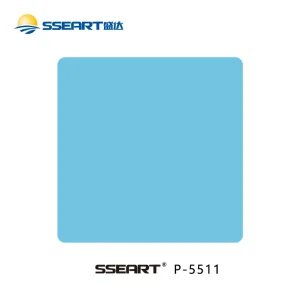
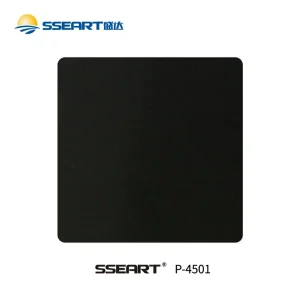
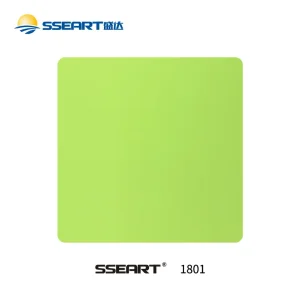
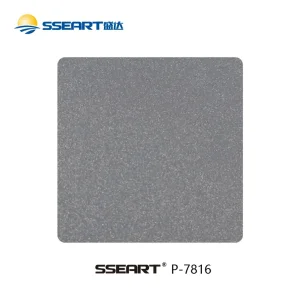
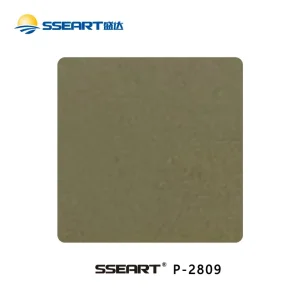
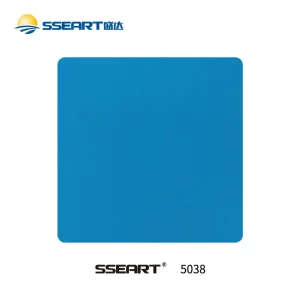
Discover additional high-performance thermoset powder coatings engineered for consumer electronics, outdoor enclosures, architectural metalwork, and specialty industrial applications.
Explore answers to common questions about CE certification compliance, powder coating specifications, and working with Chinese manufacturing partners:
While CE certification focuses heavily on electrical safety (LVD Directive) and electromagnetic compatibility (EMC Directive), chemical and environmental safety fall under mandatory harmonized directives like RoHS 2.0 (2011/65/EU) and REACH. Outer coatings come into direct contact with users. If a coating contains restricted heavy metals (such as lead, hexavalent chromium, or cadmium) or volatile phthalates, the finished product will fail compliance testing, risking market entry bans in the EU.
Since eliminating lead-based materials across our entire product portfolio in 2012, SSEART maintains strict raw material procurement controls. We source exclusively from audited, ISO-certified resin, pigment, and additive suppliers. Every batch undergoes rigorous internal lab inspections and periodic third-party testing to ensure full compliance with EU RoHS and REACH regulations.
Thermosetting epoxy and polyester-epoxy hybrid powder coatings provide high dielectric strength, often exceeding 20 to 30 kV/mm depending on film thickness. This insulation helps prevent electrical arcing, micro-short circuits, and static discharge in compact electronic assemblies, power supply enclosures, and battery cabinets.
Yes. SSEART operates an advanced color R&D lab equipped with high-precision spectrophotometers. We can match any RAL, Pantone, or custom physical sample under strict Delta E tolerances (< 0.5). Using advanced metal bonding technology, we produce uniform metallic powders—including champagne gold, bronze, and silver chrome—without pigment separation during application.
Standard thermosetting powders cure at substrate temperatures between 180°C and 200°C for 10 to 15 minutes. However, for heat-sensitive electronics components or thin metal alloys, SSEART offers low-temperature curing formulations (down to 150°C - 160°C). This reduces energy consumption while protecting structural substrates from thermal deformation.
Every production batch undergoes comprehensive quality control, including coating thickness tests (ISO 2178), cross-hatch adhesion tests (ISO 2409 / ASTM D3359), Buchholz indentation hardness tests, gloss level measurement, impact resistance tests (ISO 6272), and neutral salt spray testing (ISO 9227) for corrosion resistance.
We provide comprehensive OEM/ODM technical support—from initial surface finishing consultations and sample matching to rapid prototype testing and high-volume mass production. Our R&D engineering team collaborates directly with client product designers to create surface formulations optimized for specific application environments.
 SSEART