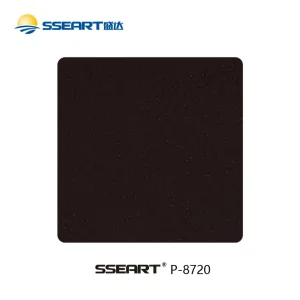
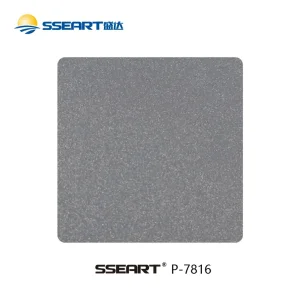
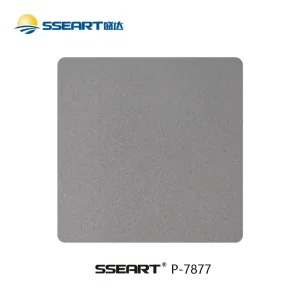
Explore our leading selection of engineered powder coatings developed for superior durability, weathering performance, and specialized decorative effects.
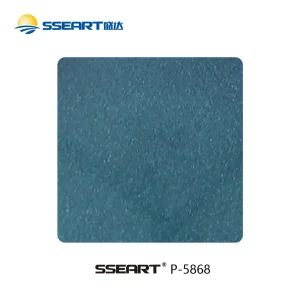
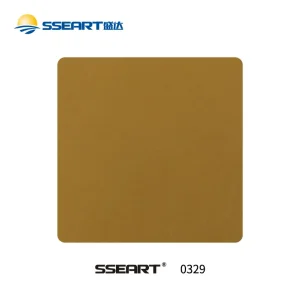
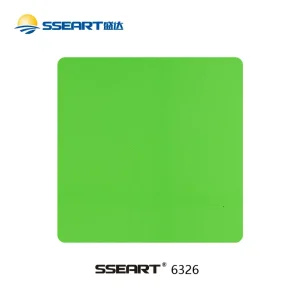
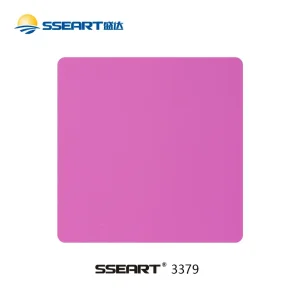
The global surface finishing market is undergoing a profound paradigm shift. Driven by rigorous international environmental mandates, industrial coaters are rapidly transitioning from traditional liquid paint technologies to thermosetting powder coatings. This shift is primarily propelled by the necessity to eliminate Volatile Organic Compounds (VOCs) and minimize hazardous waste management overheads.
In modern industrial applications, China has solidified its position as the primary engine for powder coating production and innovation. By leveraging fully integrated chemical supply chains and cutting-edge synthesis facilities, Chinese manufacturers offer sophisticated formulations at competitive scales. The optimization of electrostatic powder spraying processes ensures high transfer efficiency, robust corrosion protection, and exceptional surface aesthetics across diverse market segments.
SSEART (Tianjin SSEART New Materials Co.,Ltd) has stood at the forefront of this industrial evolution since 2000, aligning Chinese manufacturing capabilities with global compliance standards. By offering comprehensive material customization and pricing transparency, SSEART bridges the gap between raw chemical capabilities and the strict engineering requirements of multi-national clients.
Understanding the pricing topology of industrial powder spraying in China requires analyzing several key cost components. Unlike commodity finishes, architectural and industrial thermosetting powders are priced based on chemistry, performance characteristics, and volume configurations.
| Resin System Chemistry | Typical Applications | Estimated Price Range (USD/kg) | Key Performance Indicators |
|---|---|---|---|
| Pure Polyester (TGIC / Primid) | Outdoor facades, architectural profiles, outdoor furniture | $2.80 - $4.50 | UV protection, gloss retention, chalking resistance |
| Epoxy-Polyester Hybrid | Indoor furniture, home appliances, 3C electronics | $2.40 - $3.60 | Excellent mechanical properties, overbake resistance |
| Pure Epoxy | Heavy industrial equipment, chemical pipes, rebar coating | $3.20 - $5.00 | Extreme chemical resistance, corrosion barrier |
| Polyurethane & Acrylics | Premium automotive trim, architectural details | $5.50 - $9.00 | Exceptional flow, thin-film clarity, anti-graffiti |
| Specialty (Chameleon/Metallic/Fluorescent) | High-end consumer goods, custom design projects | $6.00 - $12.00+ | Optical refraction, bonding stability, visibility |
Established in 2000, Tianjin SSEART New Materials Co.,Ltd (also operating under Tianjin Shengda New Materials Co., Ltd.) has dedicated over two decades to the R&D, manufacturing, and distribution of premium thermosetting powder coatings. As a designated national high-tech enterprise and a certified "Specialized, Refined, Distinctive, and Innovative" business in China, SSEART is recognized as an industry pioneer.
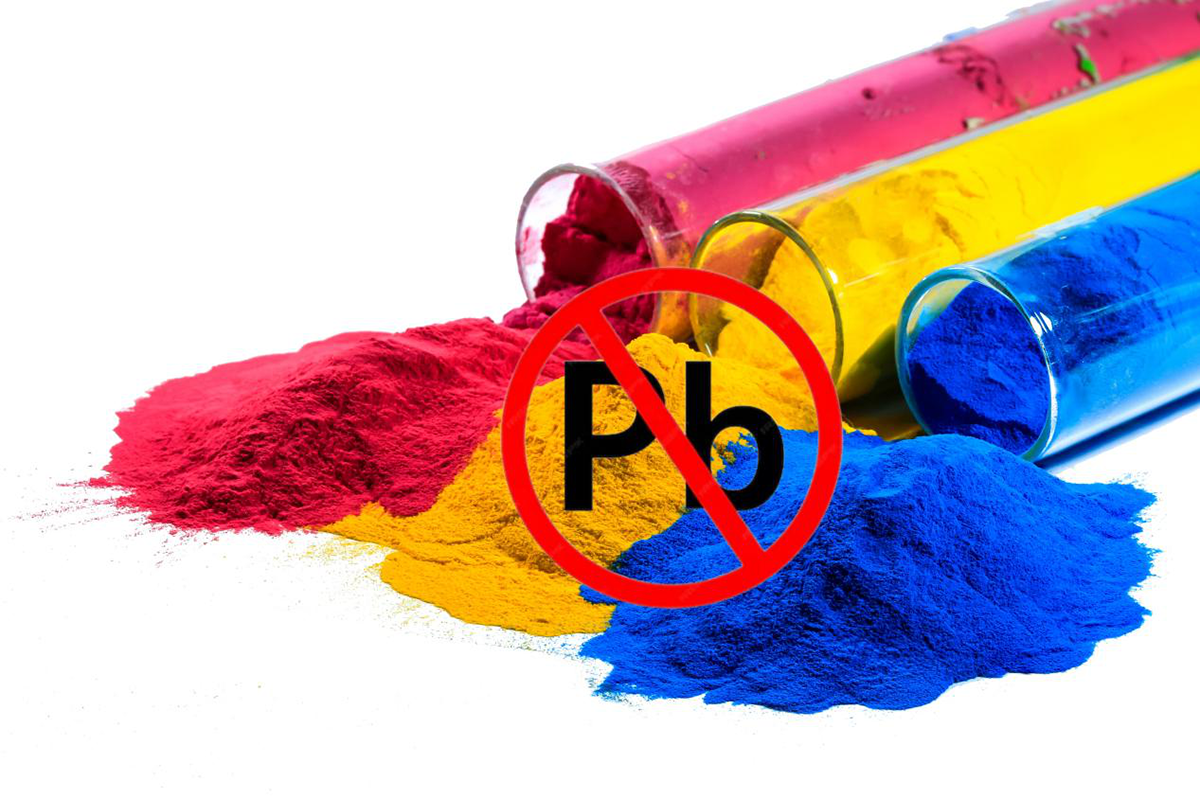
We believe in the power of strategic alignment, collaborating closely with industrial manufacturers to deliver tailored formulations. In 2012, SSEART set a benchmark by eliminating lead-containing raw materials from our entire production line, demonstrating our commitment to eco-friendly chemistry and employee safety.

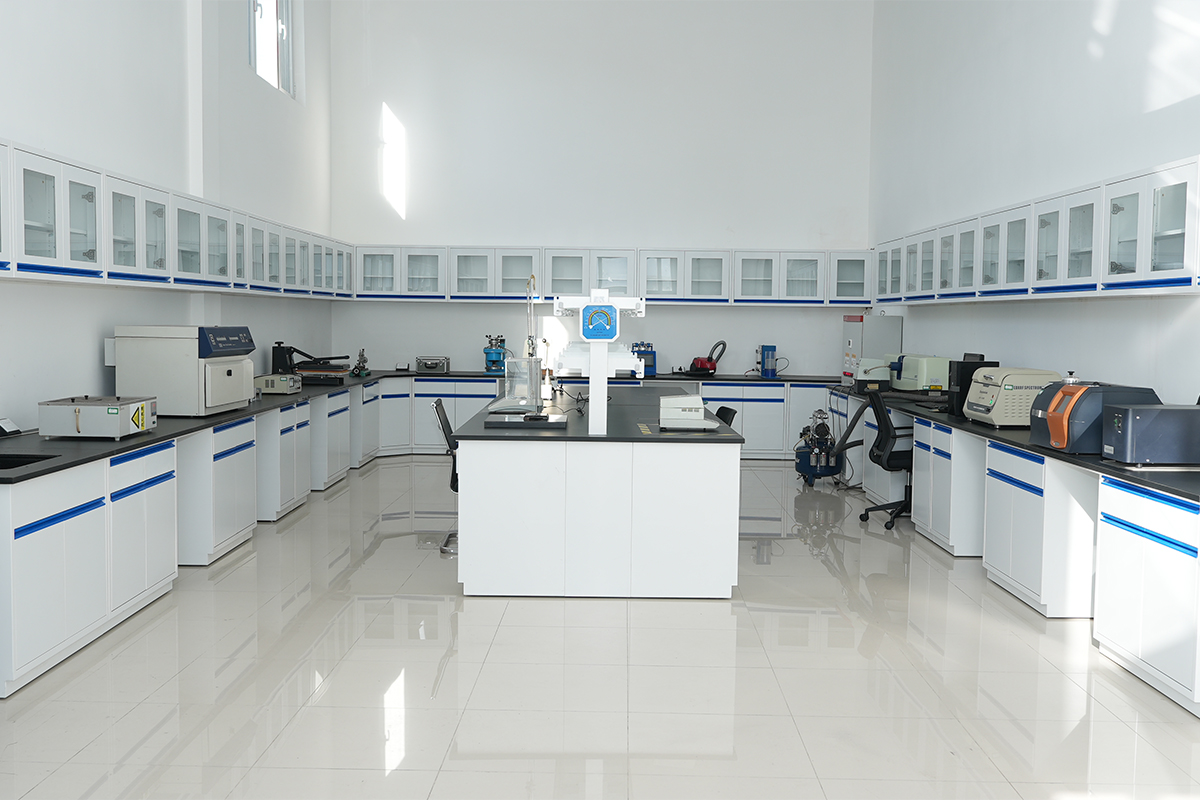
SSEART's R&D facilities are equipped to conduct precision chemical analysis, environmental simulation, and mechanical testing. The company implements a comprehensive quality management system, monitoring raw material incoming inspections through to final batch packaging.
Our commitment extends beyond production. Through collaborations with academic institutions, we continuously optimize the physical properties of our coatings, focusing on dry-flow optimization, fluidization properties, and transfer efficiency.
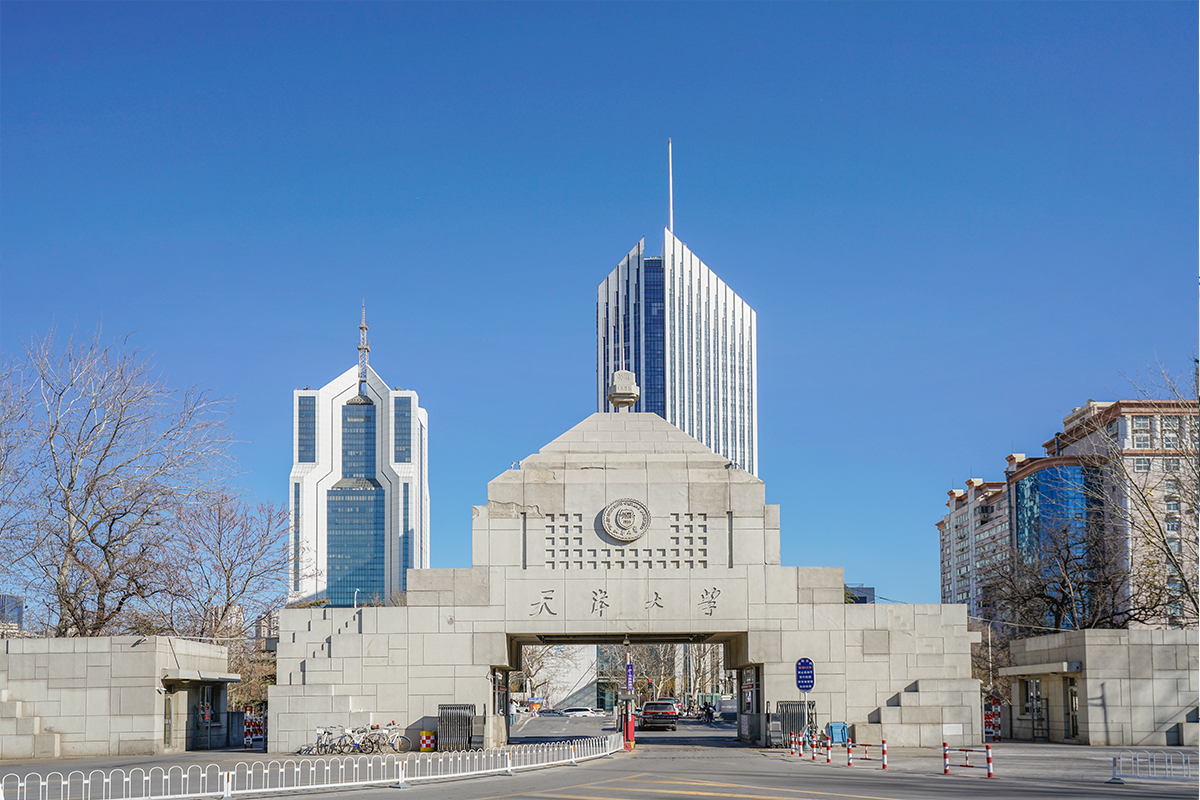
To drive next-generation coatings development, SSEART established a partnership in 2019 with the Particle Technology and Fluidization Research Center (PRTFC) at Tianjin University. This collaboration links university-level research with industrial-scale manufacturing.
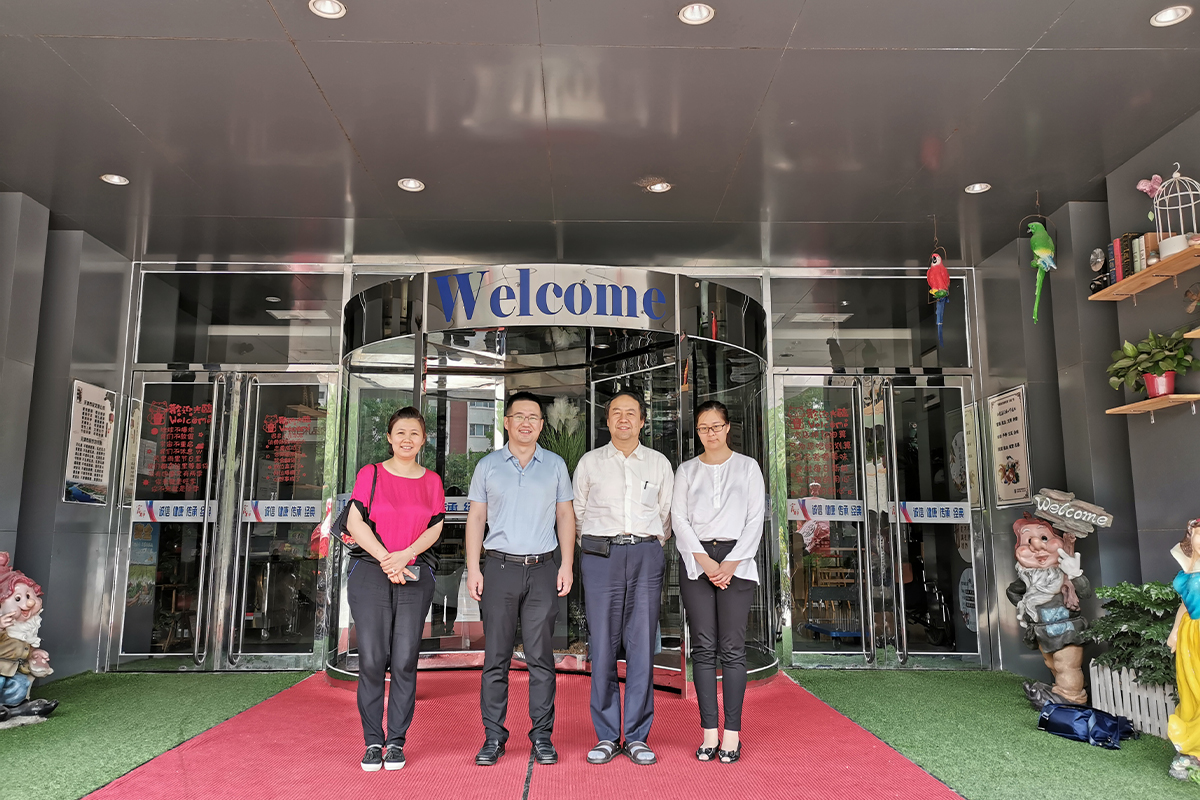
The joint research projects are led by Professor Zhu Jingxu, a Fellow of the Royal Society of Canada and the Canadian Academy of Engineering, alongside Professor Zhang Hui, an expert under Tianjin's "Thousand Talents Program". The research focuses on the mechanics of superfine powder coatings ($D_{50} < 20 \mu m$).
Standard industrial powders face fluidization and spray challenges when particle sizes drop below 25 microns. By developing surface modification techniques, our collaborative research enables thin-film coatings ($30-40 \mu m$) that match the appearance of liquid paint while delivering the performance and environmental benefits of powder coatings.
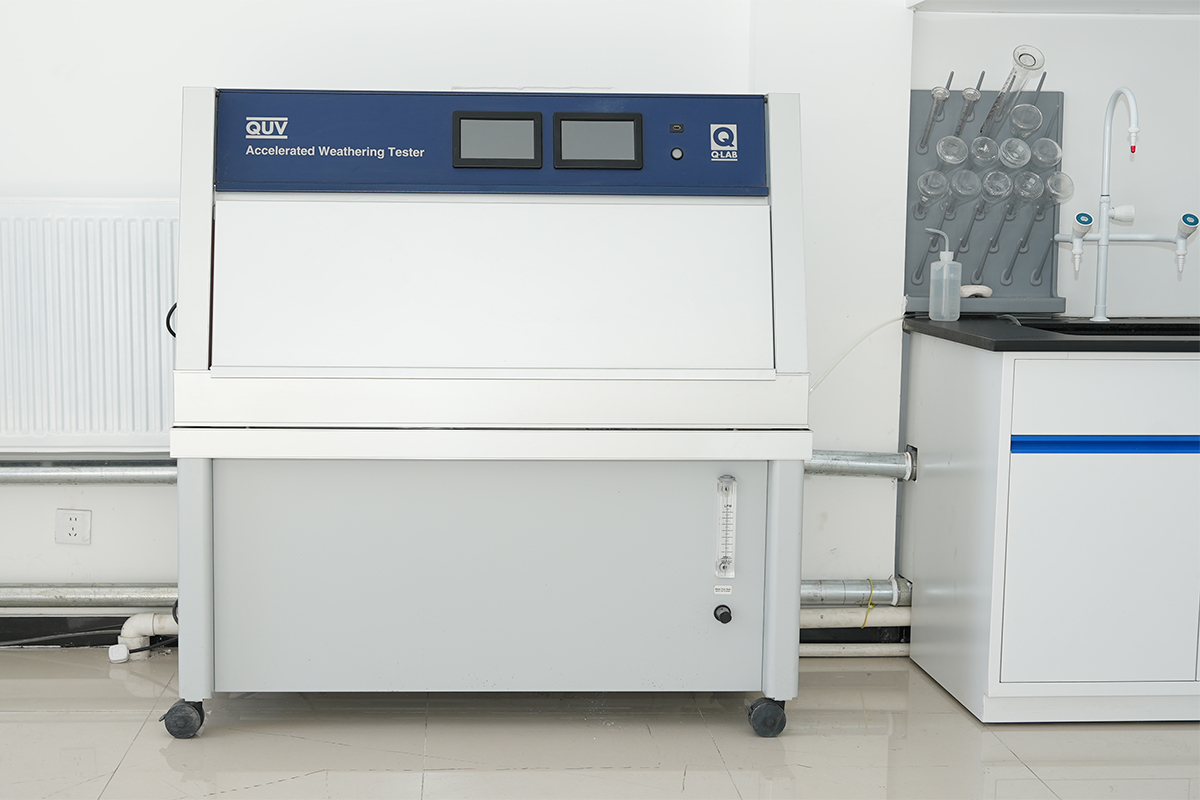
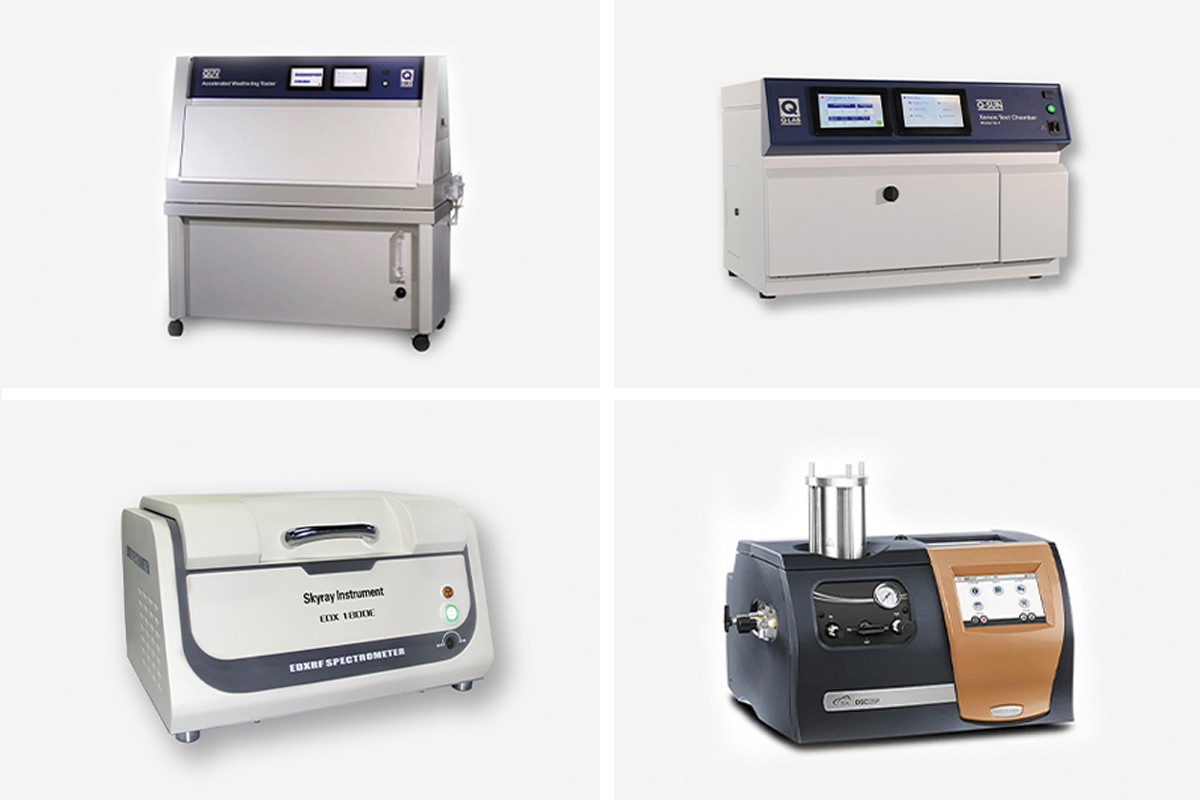
From standard architectural options to highly specialized functional coatings, SSEART offers solutions tailored for diverse industrial needs.
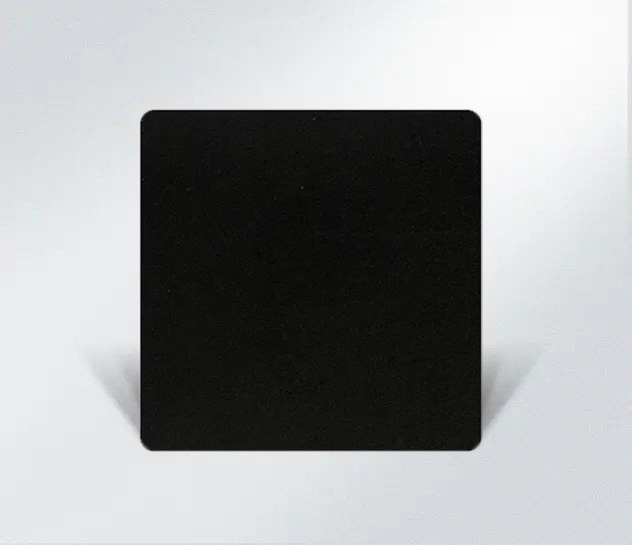

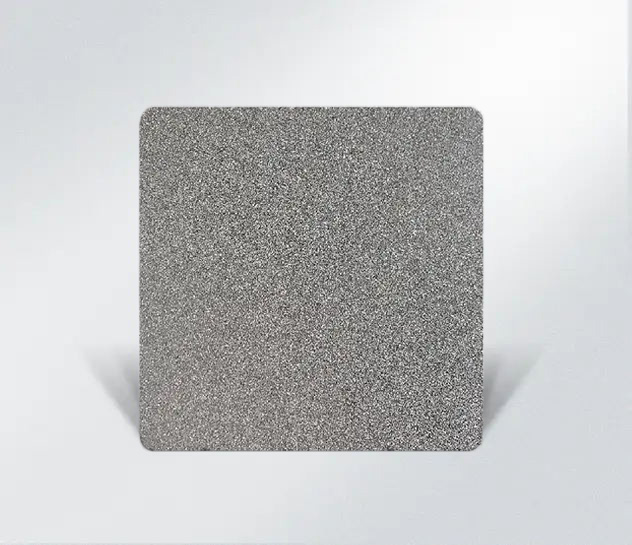

Our systematic process ensures that customized powders match your application parameters, color targets, and curing conditions.
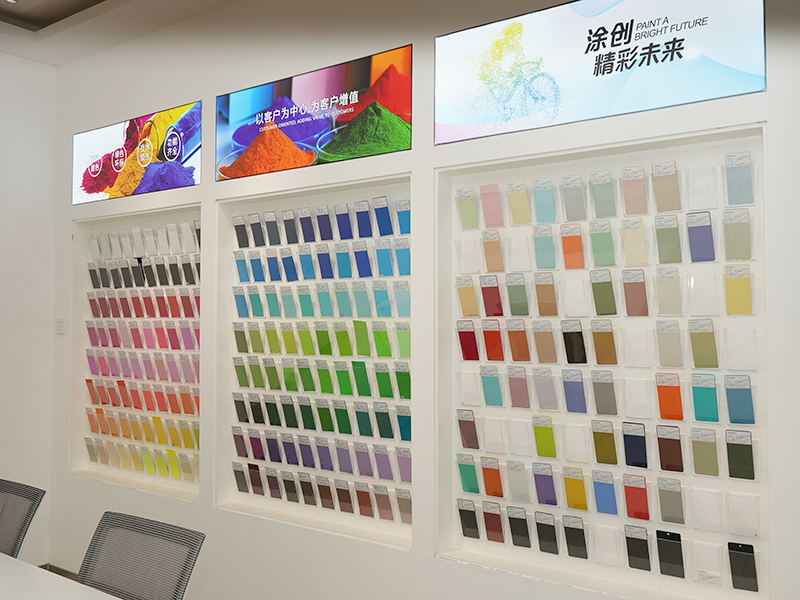
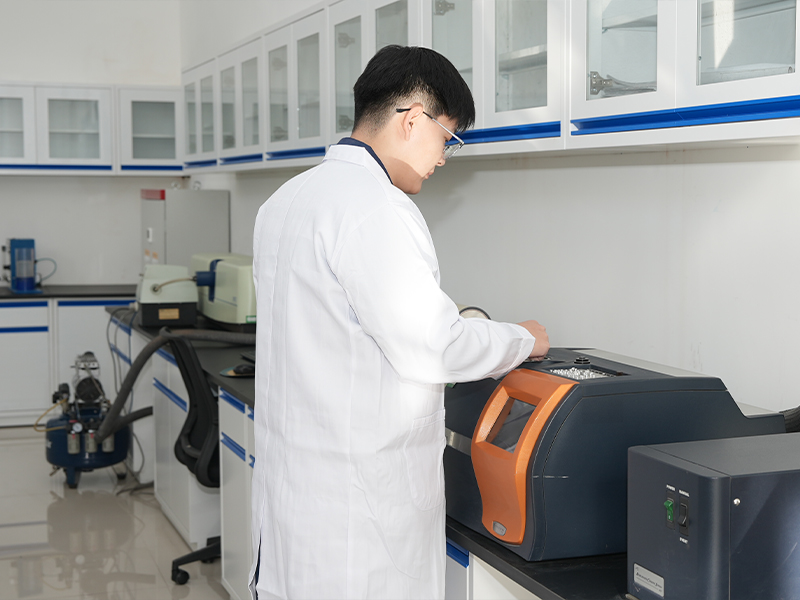
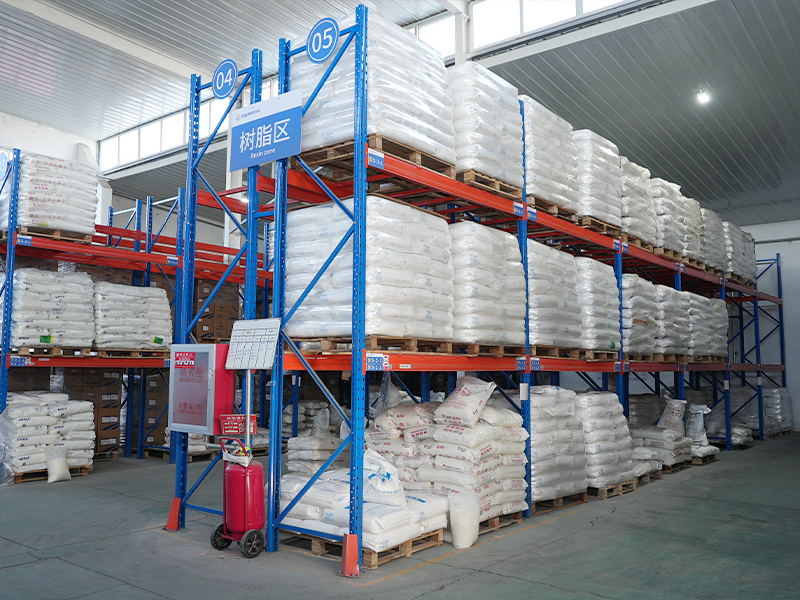
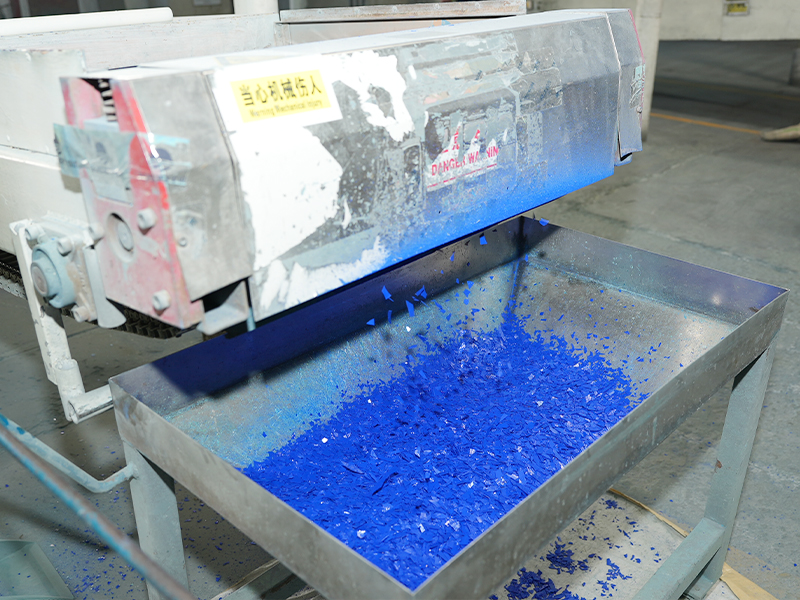
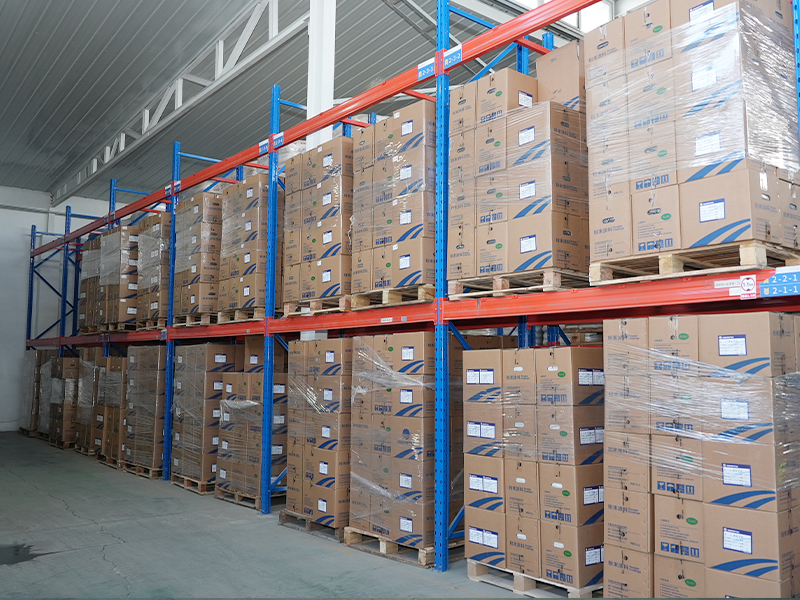
We deliver engineered powder coatings optimized for specific industrial applications and environmental demands.


SSEART is an active participant in the bicycle coating sector, serving as one of the drafters of the "Chinese Bicycle Coating Standards." Our products are used by global manufacturers of bicycles and electric two-wheelers.


Formulated to resist sweat, impact, and frequent abrasion, SSEART's coatings protect equipment in gym environments while offering high-gloss and textured finishes.
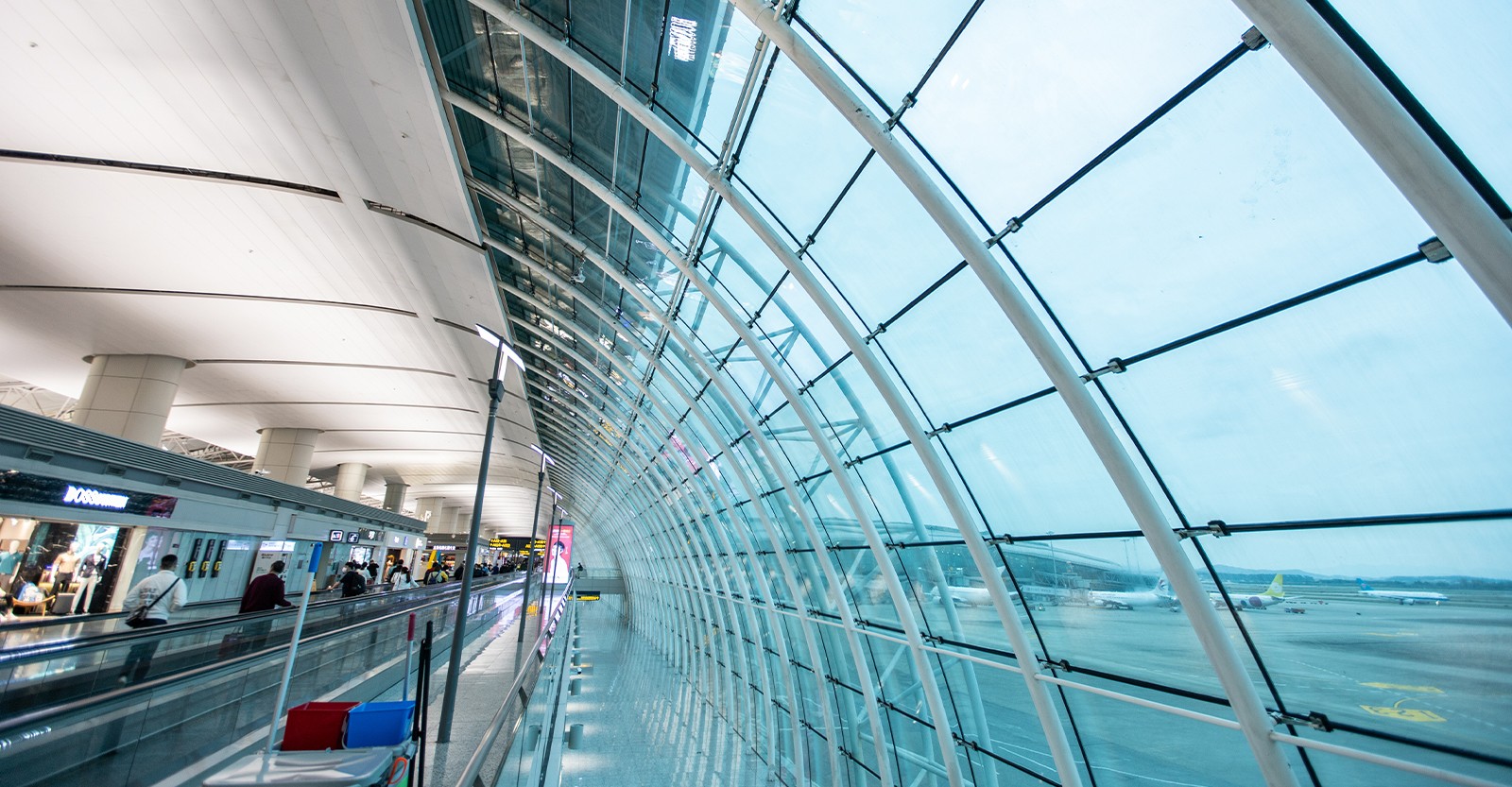

Designed to meet international architectural standards, our exterior polyester coatings offer resistance to UV radiation, chalking, and environmental weathering for facades and aluminum extrusions.
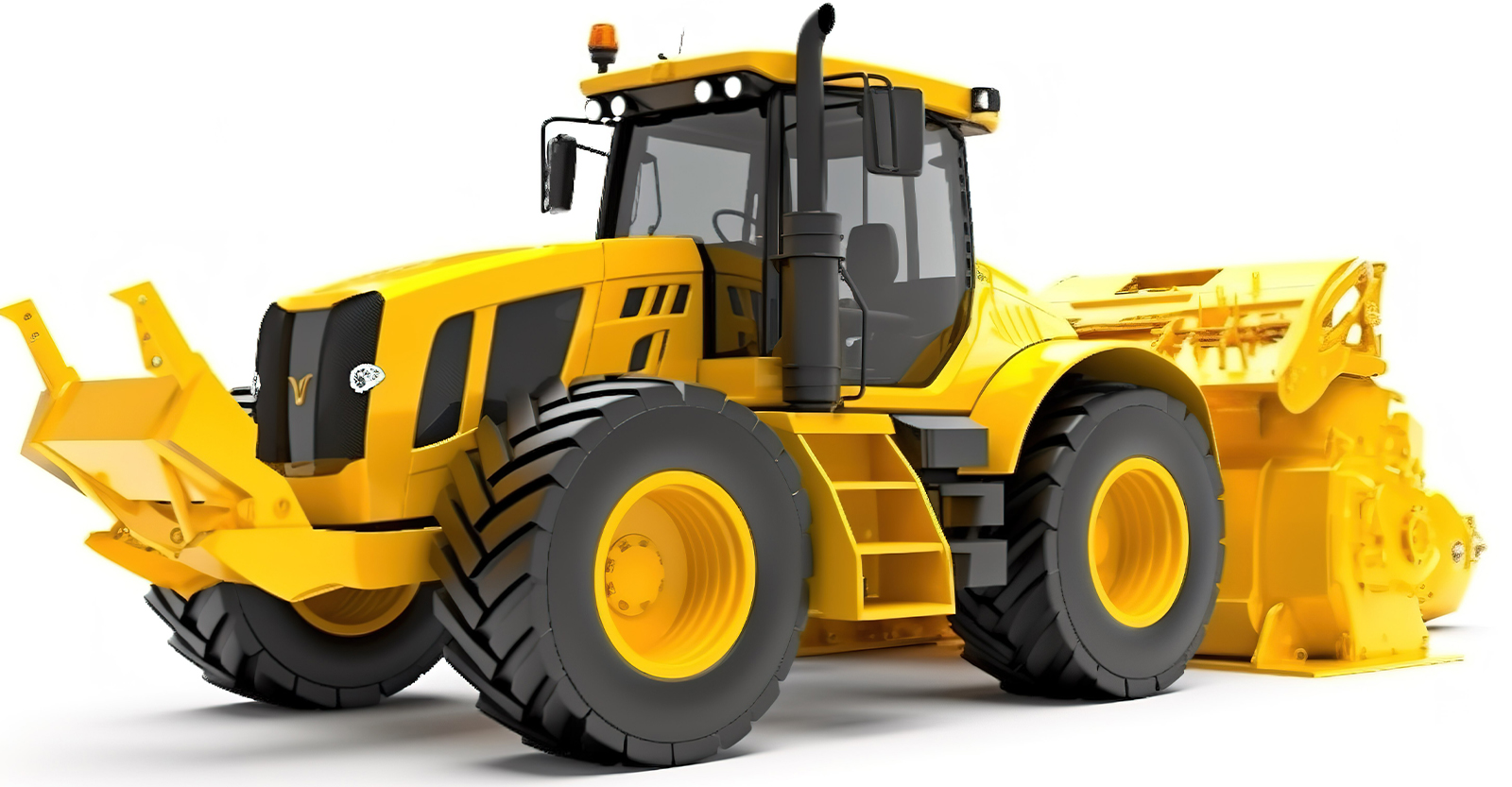

Heavy machinery operates under tough conditions. Our primers and topcoats provide corrosion barrier protection, salt spray resistance, and mechanical durability for outdoor utility equipment.


Used for under-hood parts, steel wheels, trim, and structural assemblies, our coatings provide corrosion protection, heat resistance, and chemical resistance to automotive fluids.
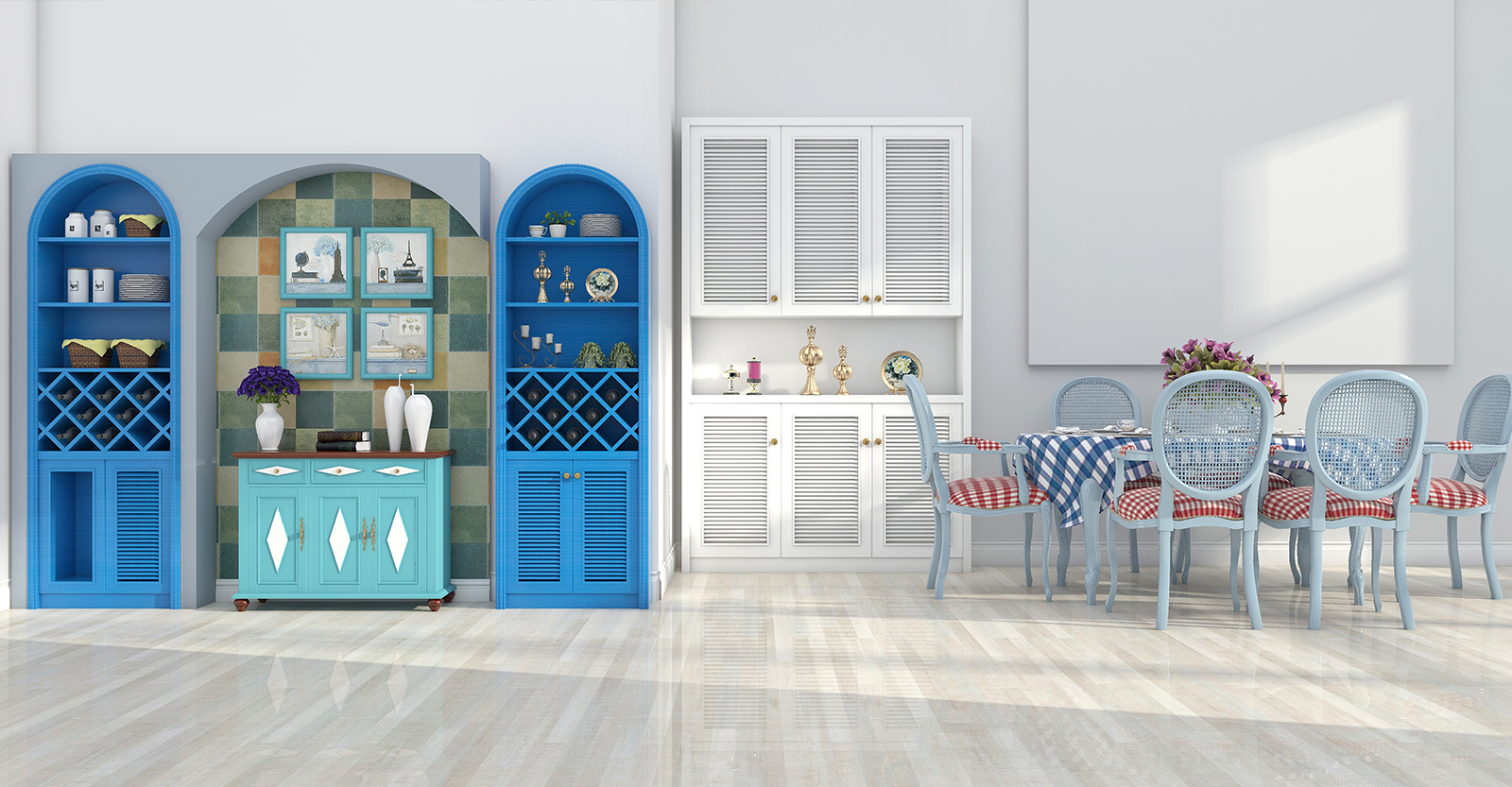

Offering high surface smoothness, scratch resistance, and custom color options, our low-cure and standard hybrids provide functional finishes for metal furniture.
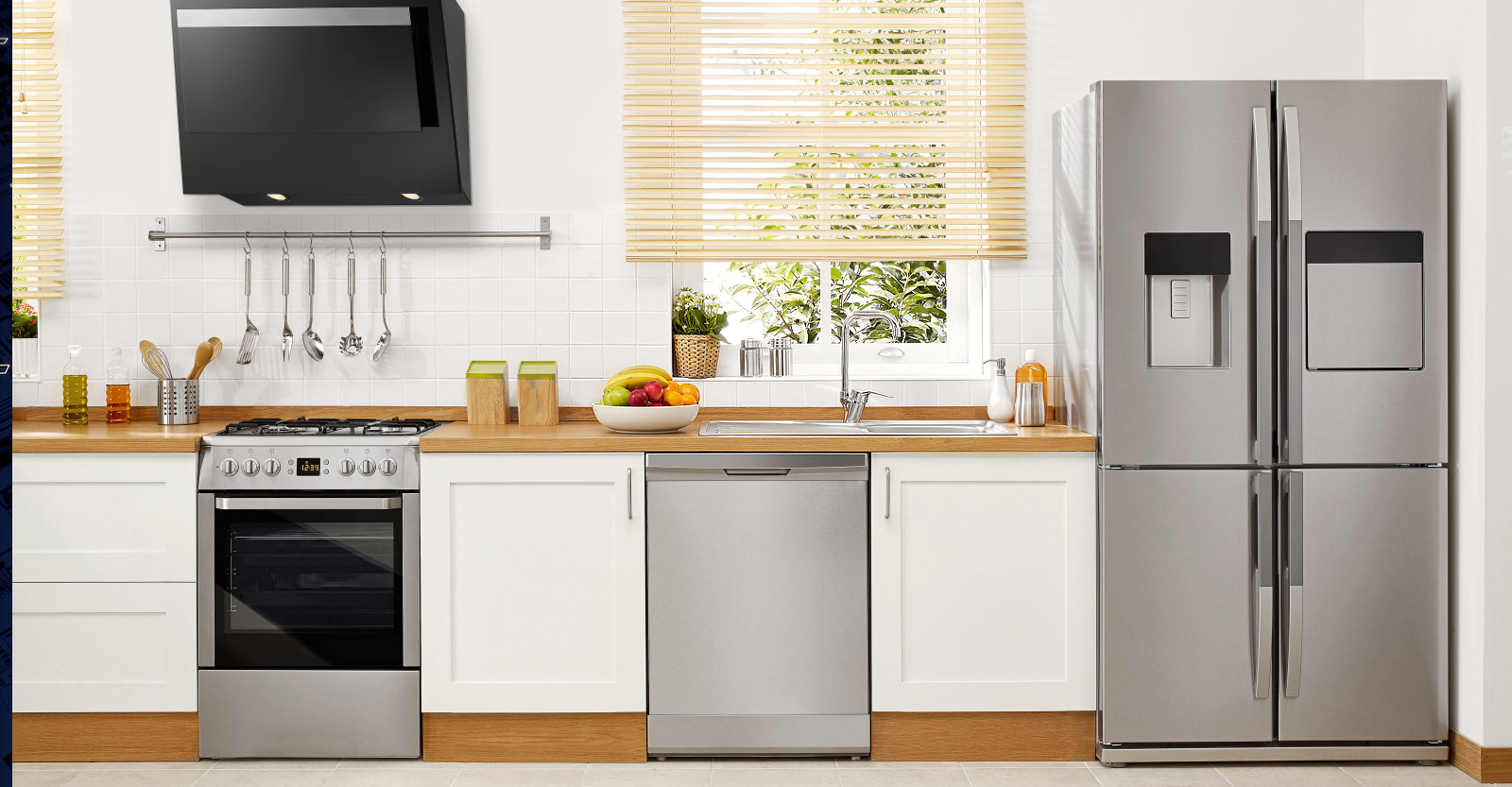

Designed for thin-film applications on washers, dryers, and refrigerators, these hybrid coatings provide scratch resistance and yellowing resistance under high temperatures.


Designed for laptops, phones, and peripheral housings, our ultra-thin coatings protect casings, provide electrostatic dissipation properties, and deliver premium tactile finishes.


Specifically developed for battery assemblies and lithium-ion housing structures, these functional epoxy coatings provide high dielectric strength and electrical insulation.
SSEART's manufacturing processes align with global compliance requirements. Our products are formulated to be free of heavy metals and TGIC where specified, supporting international environmental standards.
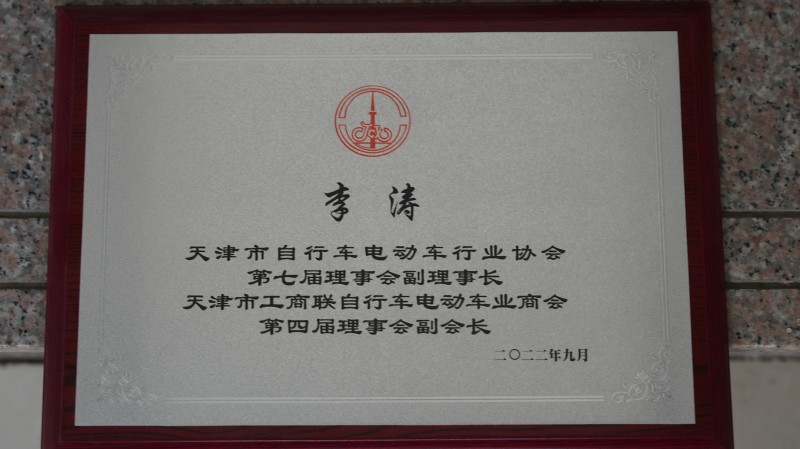
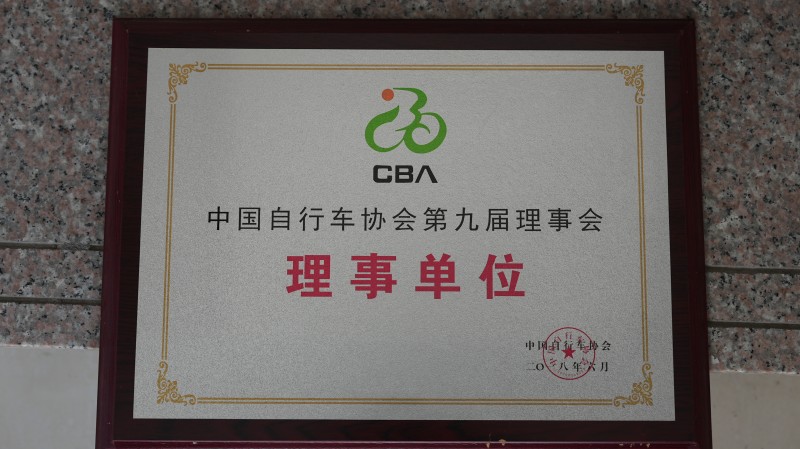
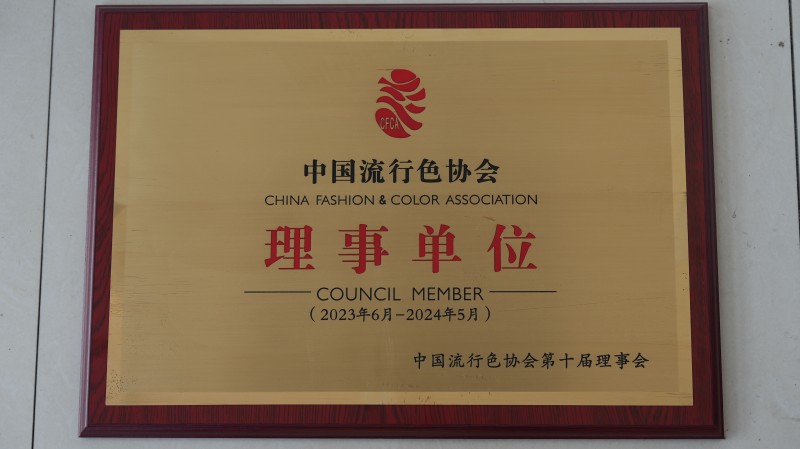
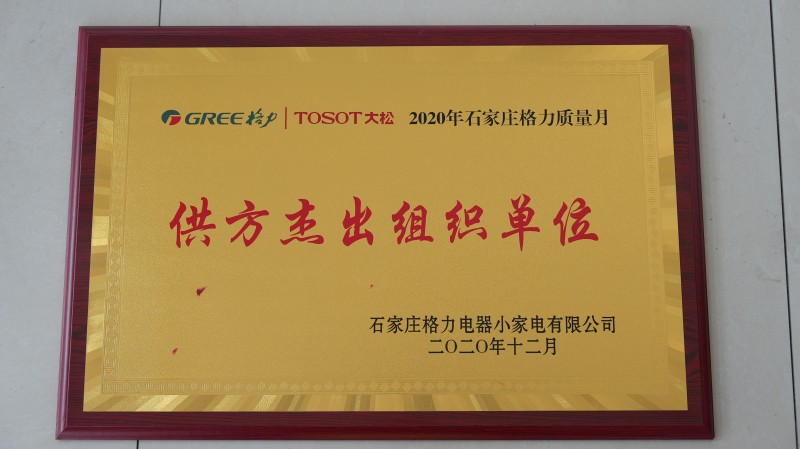
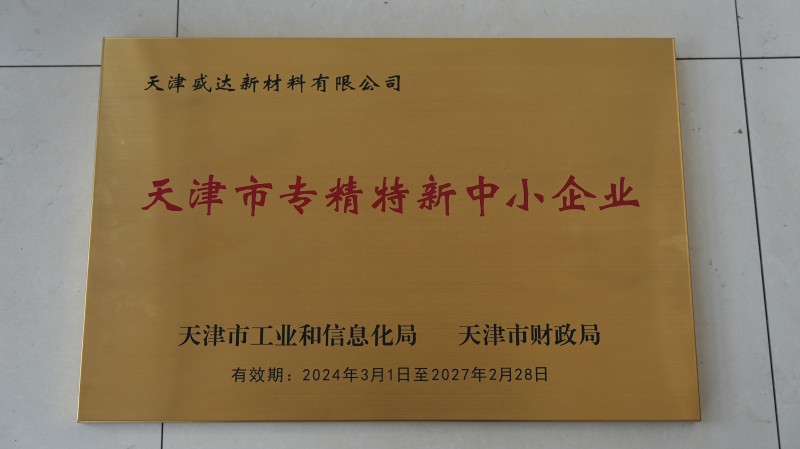
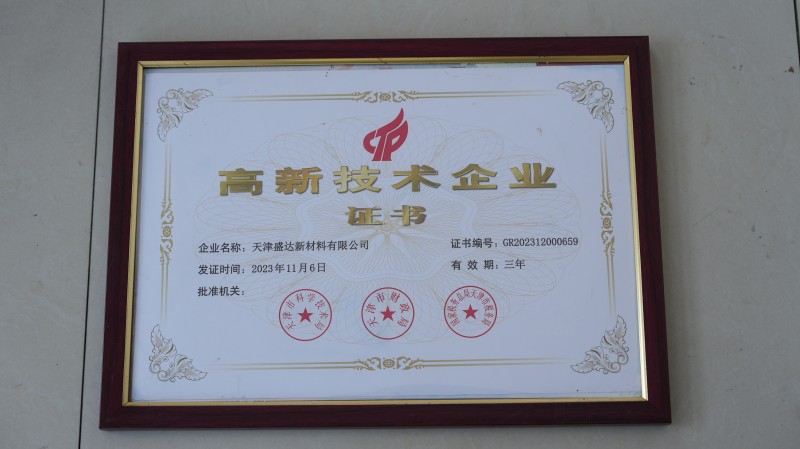
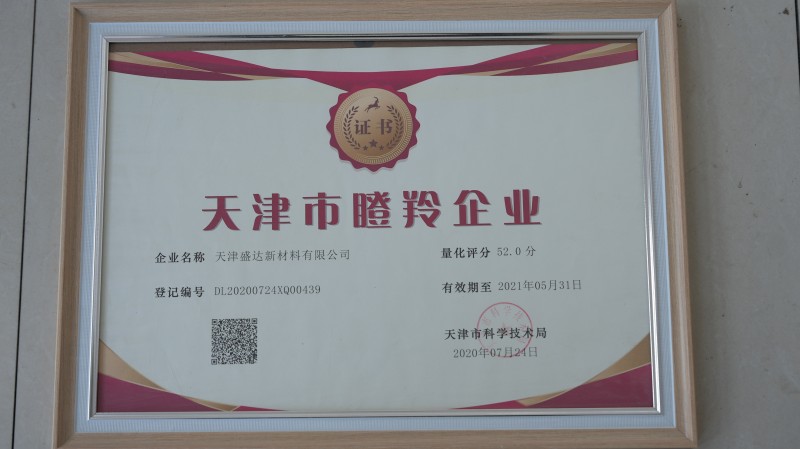
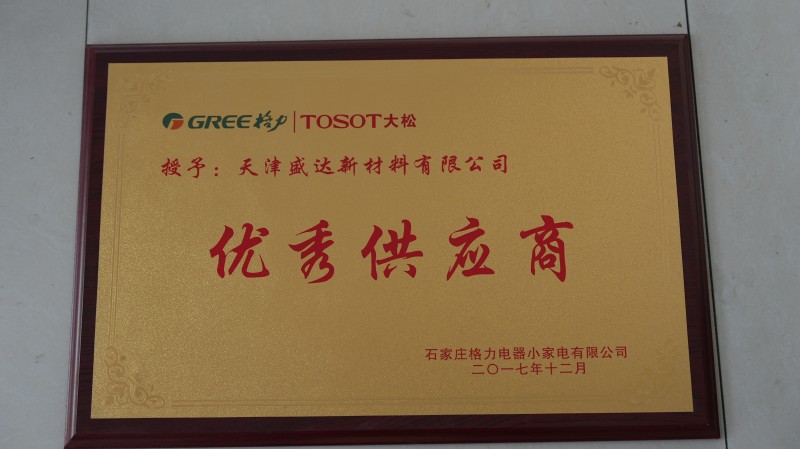
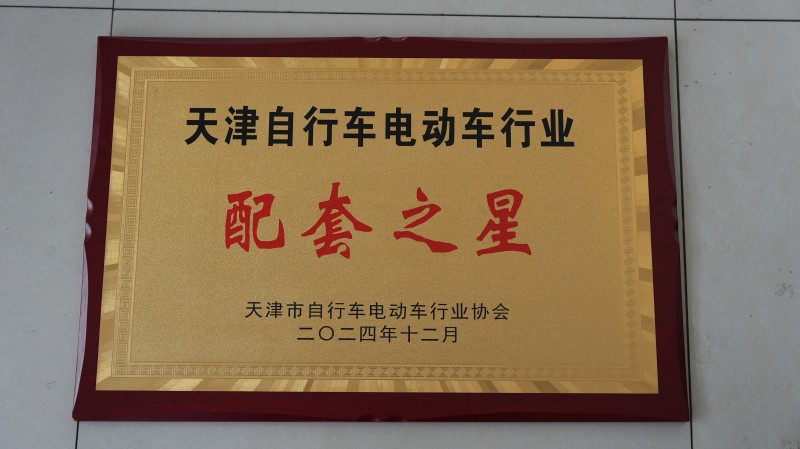
Guided by our core values, SSEART focuses on delivering sustainable solutions to the global finishing industry. The company operates under clean-production guidelines, recycling process water and managing dust filtration within our manufacturing facilities.


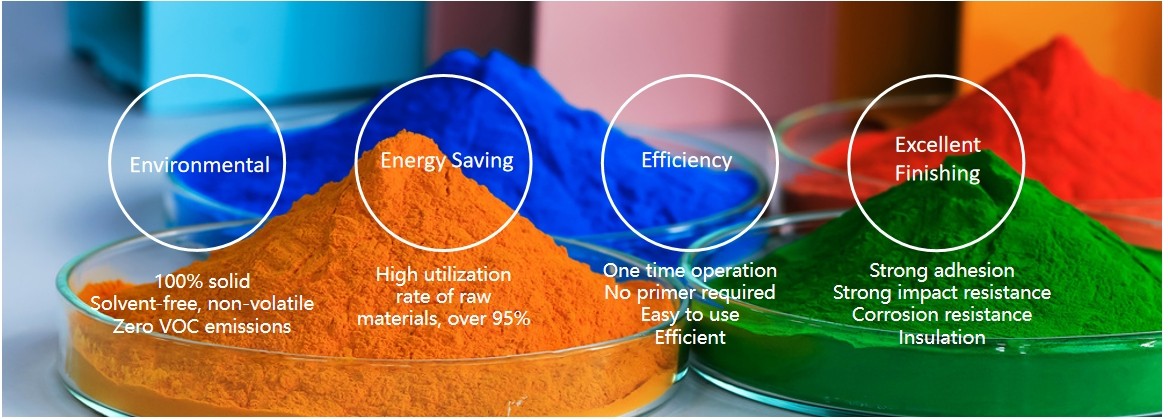
Powder coatings are a key technology for reducing emissions in industrial finishing. Because they contain no solvents, they eliminate VOC releases during application and curing. The electrostatic application process achieves high material utilization, as overspray can be collected and recycled.
Developments in curing technology allow for lower processing temperatures and shorter cycle times, reducing energy use. Additionally, the durability of powder finishes extends the service life of coated components, supporting material conservation across manufacturing sectors.
This technical FAQ addresses common considerations for specifying, sourcing, and applying powder coatings.
Discover our selection of textured, metallic, and specialty finishes designed for durable performance and custom aesthetic requirements.
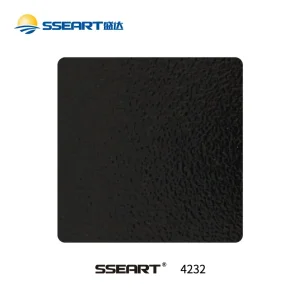
 SSEART