Engineered Excellence for Diverse Architectural and Industrial Requirements
The global surface treatment market is shifting rapidly towards VOC-free solutions. As environmental regulations tighten in Europe and North America, the demand for "Powder Over Paint" technology has surged as a cost-effective refurbishment method for infrastructure and heavy machinery.
Integrating powder coating over existing liquid layers requires advanced adhesion promoters and chemical compatibility testing. Our laboratory ensures that intermolecular bonding exceeds industry standards for cross-hatch testing and thermal cycling.
SSEART products adhere to ISO9001, ISO14001, and EU RoHS standards. We provide full traceability and localized compliance certification for global markets, ensuring your project meets all environmental safety benchmarks.
Tianjin SSEART New Materials Co.,Ltd, established in 2000, has been dedicated to the research, development, production, and sales of high-performance powder coatings. As a national high-tech enterprise and a member of the "Specialized, Refined, Distinctive, and Innovative" (SRDI) industrial elite, SSEART leads the industry in green coating innovation.
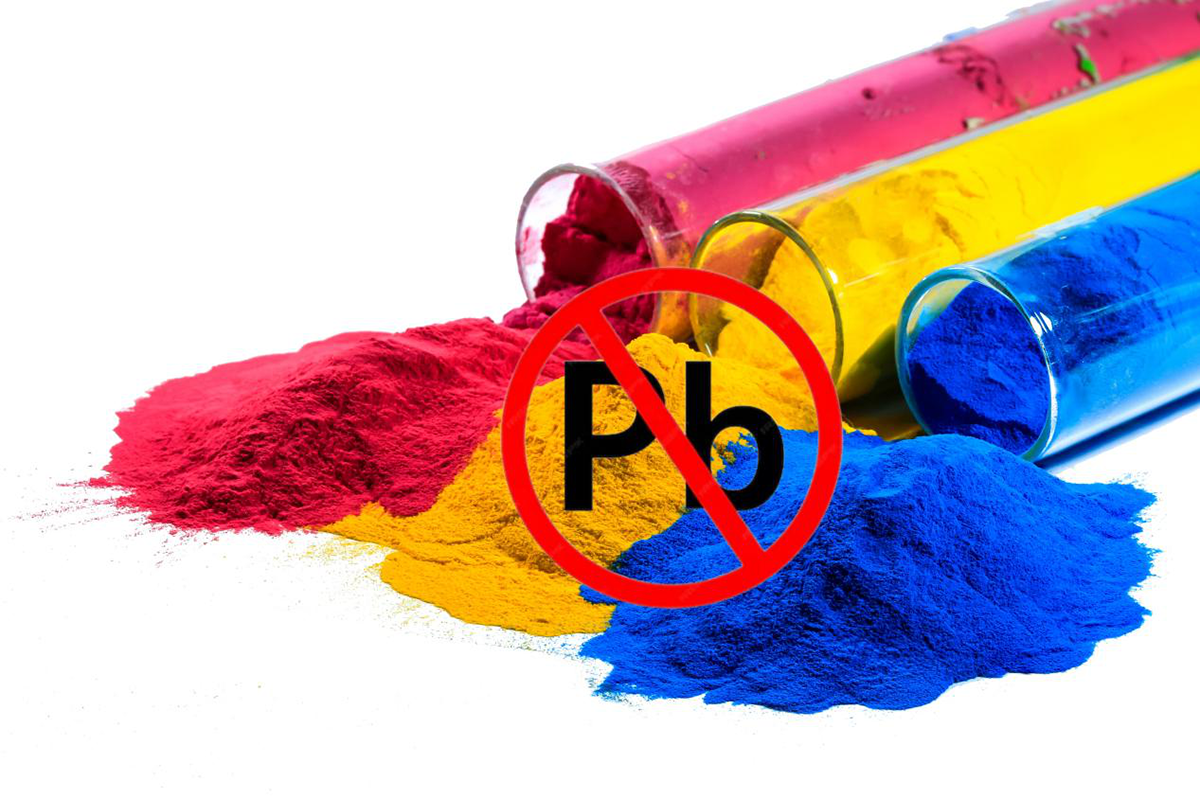
Applying powder coat over existing paint is a complex engineering feat. It involves overcoming the "adhesion barrier" where the existing liquid finish might outgas or delaminate under the high temperatures of the powder curing oven (typically 180°C - 200°C).
The existing paint must be a thermoset material (like factory-applied epoxy or polyester). Thermoplastic paints (like traditional lacquer) will melt and fail.
Standardized sanding (P240-P400 grade) creates the necessary "anchor pattern" for the powder particles to lock into the substrate chemically and physically.
Pre-heating the part at 210°C before coating ensures any trapped solvents or moisture in the original paint are expelled, preventing bubbles (pinholes).
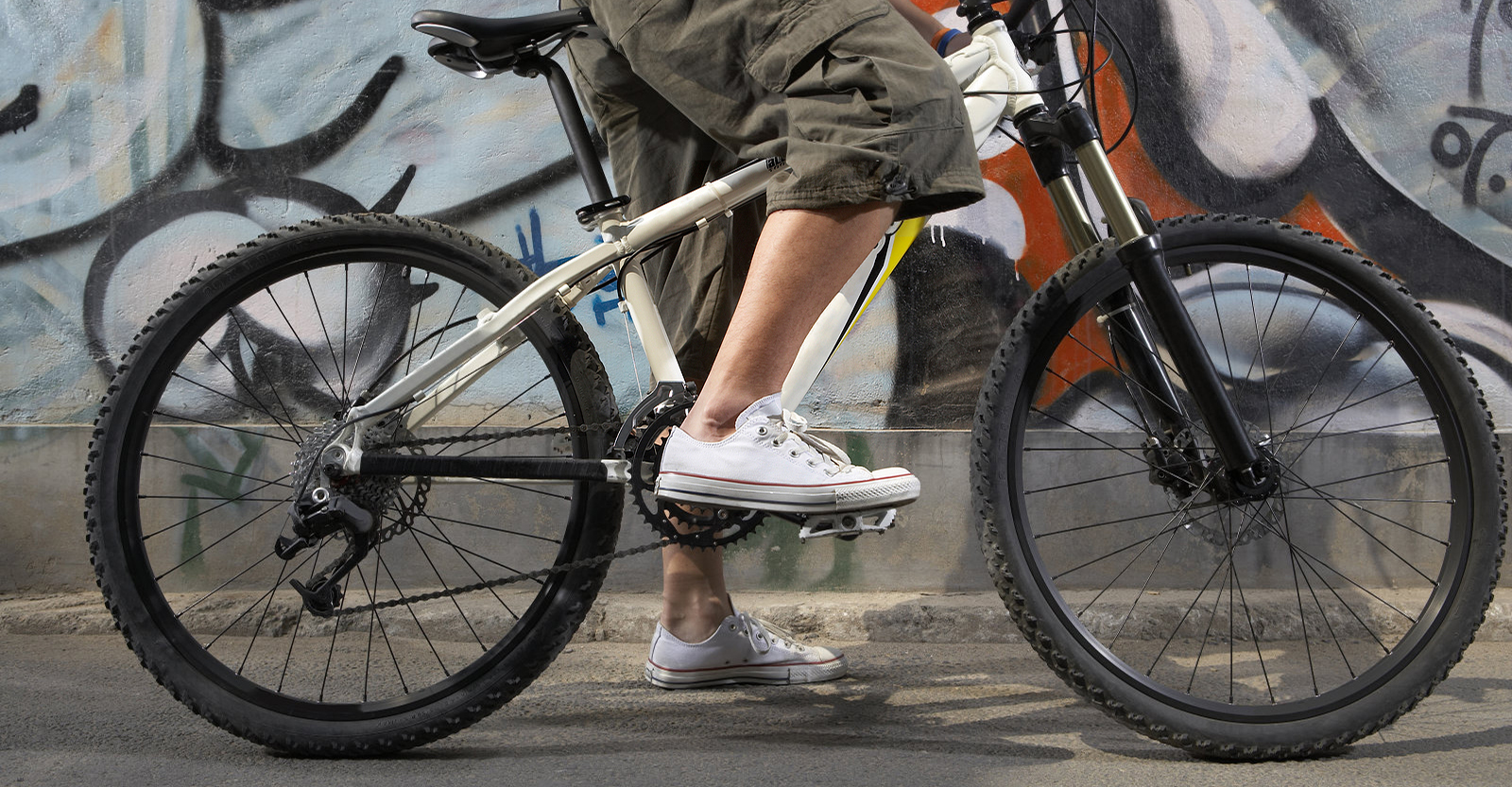
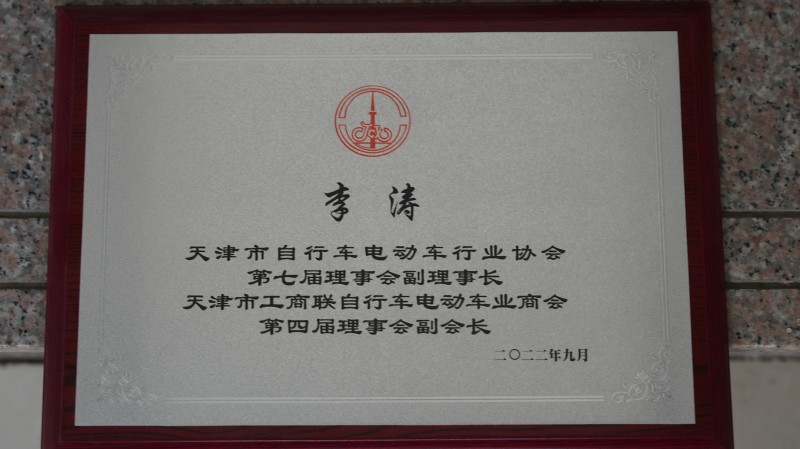
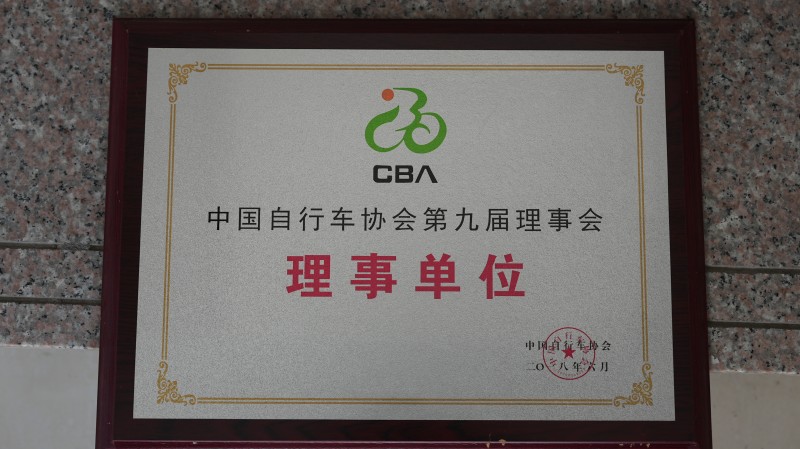
SSEART is a drafter of "Chinese bicycle coating standards." Our coatings protect millions of electric vehicles and bicycles globally, resisting UV and mechanical impact.
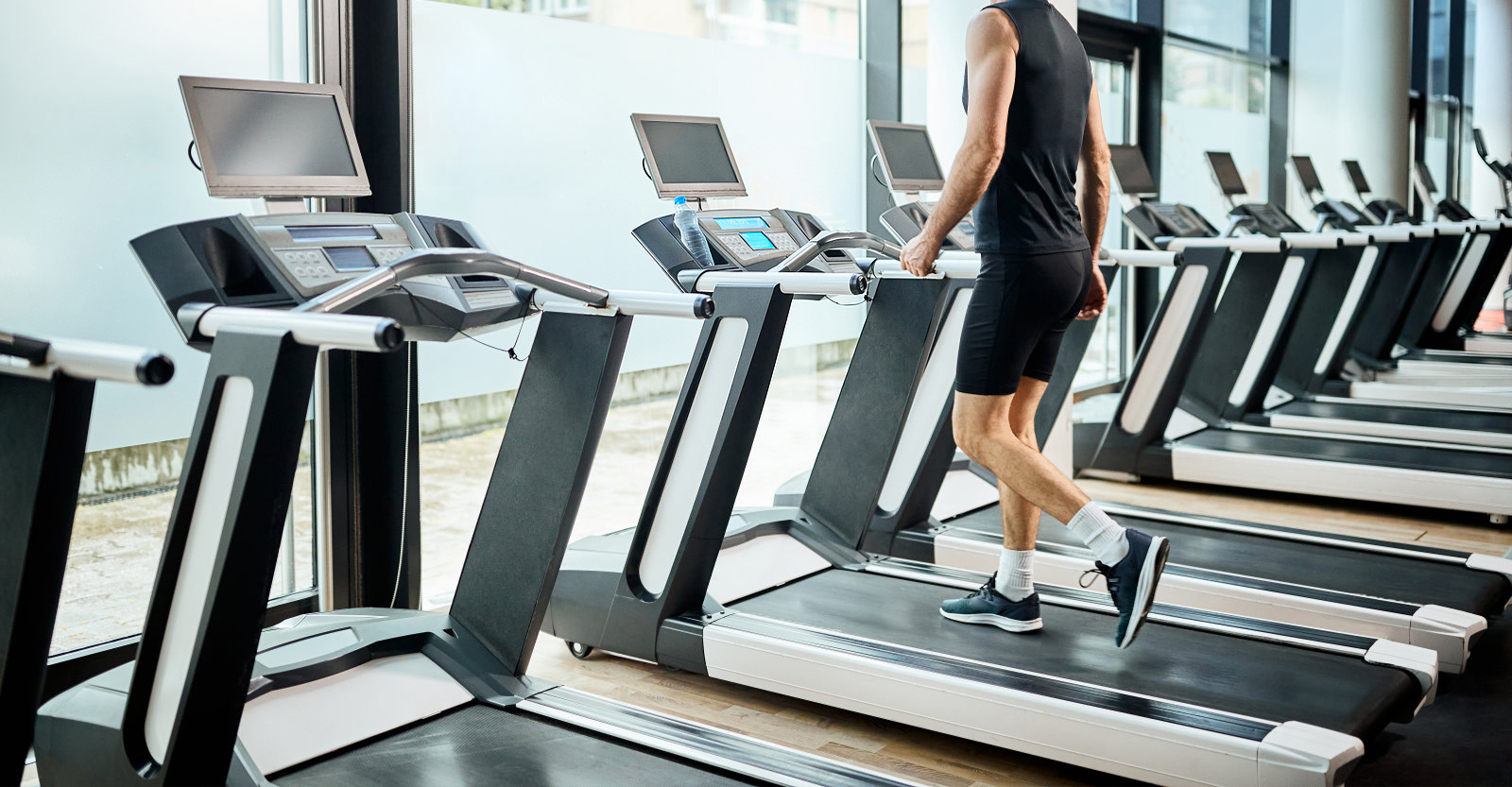
Anti-sweat and anti-corrosion finishes for top-tier fitness brands. Our "Powder Over Paint" solutions allow for high-end color customization for gyms and residential equipment.
Specialized coatings for energy cabinets and electronic components that require thermal stability and precise dielectric properties.
SSEART Strategy: In 2019, we partnered with the Particle Technology and Fluidization Research Group (PRTFC) at Tianjin University, led by Professor Zhu Jingxu (Royal Society of Canada). This collaboration is pioneering:
• Super-Durable Low-Temp Curing: Reducing energy consumption by 30% by allowing powder to cure at just 150°C.
• Smart Self-Healing Polymers: Powder coatings that can "heal" minor scratches when exposed to sunlight.
• AI Color Matching: Utilizing deep learning to match 99.9% of the international RAL and Pantone shades in seconds.
 SSEART