Explore our high-performance architectural and industrial functional coating powders designed to exceed global quality standards.
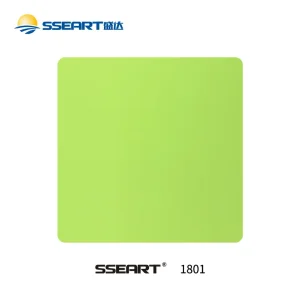
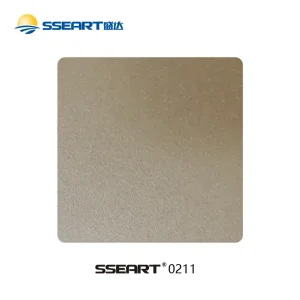
The global manufacturing sector is undergoing an unprecedented shift toward high-performance surface modification techniques. Historically, simple metal coatings were sufficient to prevent general ambient corrosion. Today's fast-evolving aerospace, automotive, 3C (Computer, Communication, and Consumer Electronics), and energy storage markets demand materials that provide thermal stability, extreme electrical insulation or conductivity, super-hard wear resistance, and long-term chemical durability. This has placed advanced ceramic powders and specialized powder coatings at the core of material science research and industrial applications.
Industrial ceramic materials—composed of metal oxides, nitrides, or carbides—are highly valued for their atomic structures, which feature tight ionic and covalent bonds. These structures exhibit extremely high melting points, outstanding chemical inertness, and high mechanical hardness. When integrated into electrostatic powder coatings, they provide a strong barrier that shields target metal substrates from physical friction and oxidative chemical corrosion. Consequently, global demand is rapidly moving away from wet liquid systems, which release harmful VOCs, toward dry powder technologies. These modern solutions offer high efficiency, zero-solvent operations, and near-complete reclamation rates.
SEO Insights & Information Gain: While standard decorative powder coatings focus primarily on color and gloss, the inclusion of micro- and nano-scale ceramic components enables advanced thermal barrier coatings (TBCs) and electrical insulation layers. This creates a bridge between cosmetic finishing and functional surface engineering.
Three primary trends are steering the development of advanced powder materials:
Authoritative overview of industrial powder coatings, highlighting environmental metrics, scientific research collaborations, and production processes.
A National High-Tech & "Specialized, Refined, Distinctive, and Innovative" Enterprise
Established in 2000, Tianjin SSEART New Materials Co., Ltd. (commonly known as SSEART) has dedicated over two decades to the research, development, production, and sales of high-performance powder coatings. Operating with a strict commitment to quality and environmental stewardship, SSEART has achieved both the ISO9001 Quality Management System Certification and the ISO14001 Environmental Management System Certification. In line with global regulatory frameworks, all SSEART products comply with the strict EU RoHS standards. The company's focus on industry-leading quality and environmental safety was highlighted in 2012, when SSEART took the early step of eliminating all lead-containing ingredients across its entire product line.
We implement a comprehensive quality control system monitoring raw materials, processing lines, and final particle distributions to ensure batch-to-batch consistency.
Partnering with the Particle Technology and Fluidization Research Center (PRTFC) at Tianjin University, led by Royal Society of Canada Fellow Prof. Zhu Jingxu.
Committed to zero lead formulations, low VOC output, and energy-efficient curing profiles that reduce carbon footprints across production and application.
In 2019, SSEART established a cooperative program with the Particle Technology and Fluidization Research Center (PRTFC) at Tianjin University. Led by Professor Zhu Jingxu, a Fellow of the Royal Society of Canada and the Canadian Academy of Engineering, alongside Professor Zhang Hui, a member of Tianjin’s "Thousand Talents Program," this joint project works to optimize powder coating fluidization, particle sizing, and spray efficiency. By addressing fundamental powder fluidization issues, this research helps eliminate coating defects like "orange peel," pinholes, and uneven thickness, providing clients with superior surface consistency and durability.
Additionally, SSEART contributes actively to industry standardization as a council member of the China Fashion Color Association and as a key drafter of the "Chinese Bicycle Coating Standards."
Providing global procurement partners with cost-efficiency, reliable logistics, and high-volume scalability.
Modern global procurement goes beyond simple raw material costs; it requires deep supply chain integration, reliability, and fast response times. SSEART’s manufacturing facilities leverage advanced automated processing units, automated packaging lines, and real-time spectrophotometric quality tracking. This integrated approach ensures consistent quality, even for high-volume orders.
Through our automated systems, we closely monitor manufacturing parameters, including temperature profiles during resin extrusion and particle size distribution during milling. The result is a highly reliable supply chain that minimizes color drift and mechanical variance across production batches.
A structured development and quality control process tailored to meet exact client specifications.
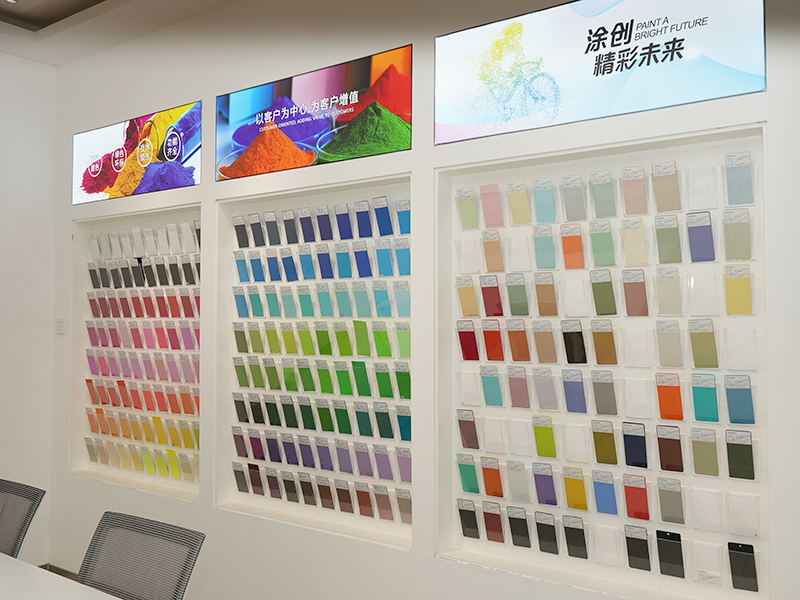
Working with clients to define gloss, shade, and chemical resilience needs.
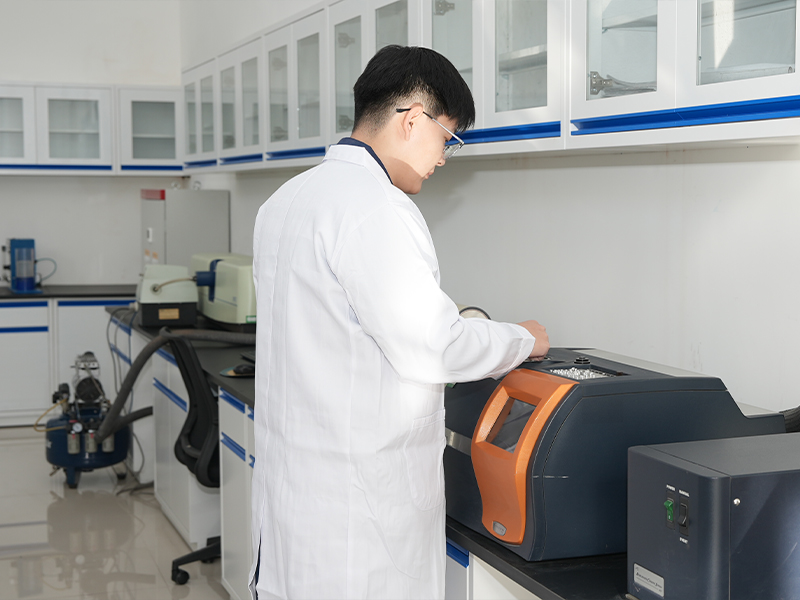
Our specialized lab formulates and tests trial batches for physical properties.
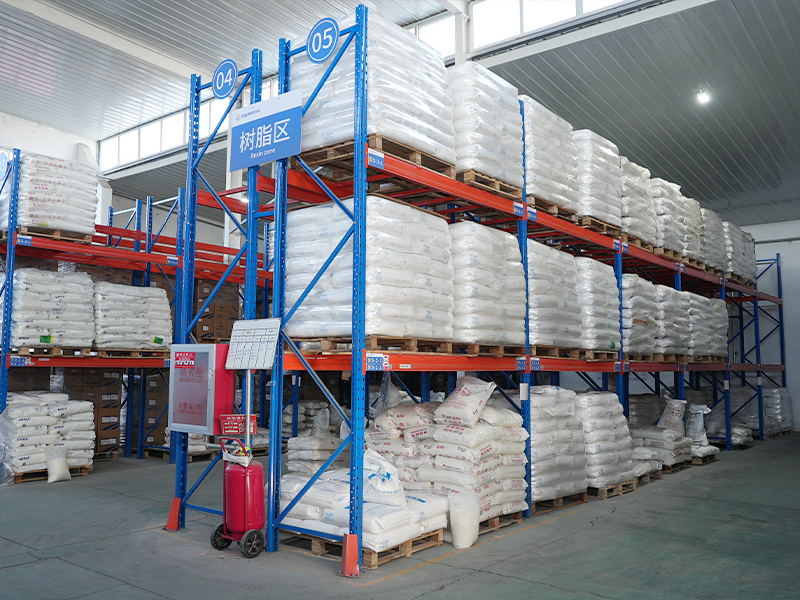
Incoming raw materials are verified using chemical testing devices.
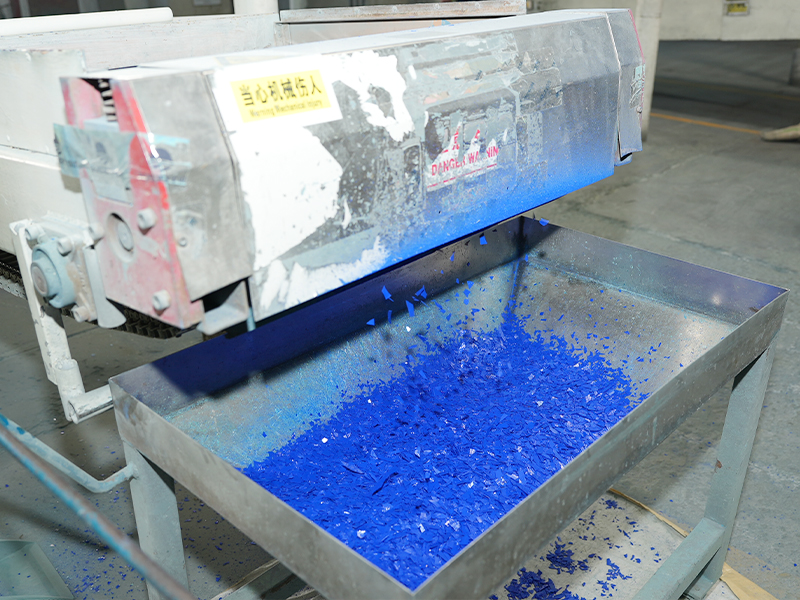
Extrusion, milling, and sieving processes are monitored under ISO parameters.
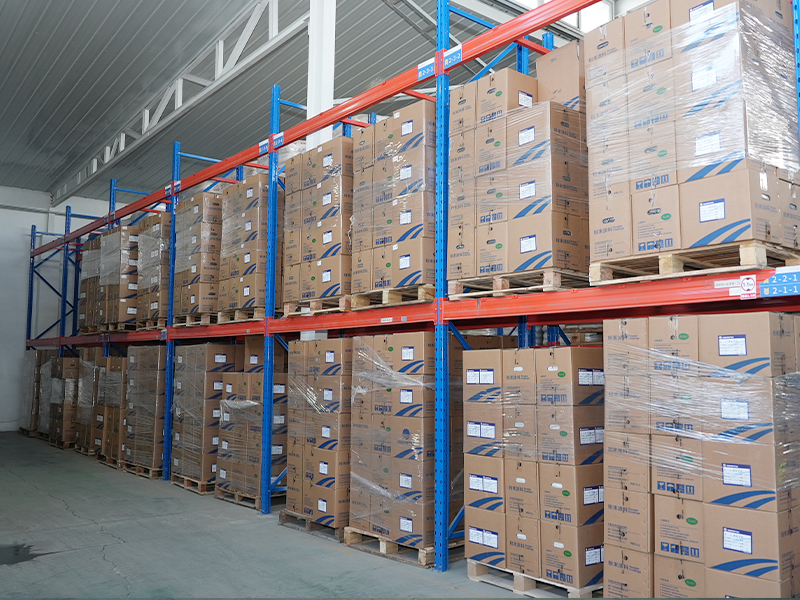
Each batch receives final testing for color match and mechanical properties.
See how our advanced laboratory facilities and automated production lines deliver consistent quality.
Providing custom powder formulations tailored to the functional demands of global OEMs.

As an active participant in the bicycle industry, SSEART manufactures high-performance powders applied on two-wheelers globally. We work with prominent global bicycle brands and domestic parts suppliers to deliver durable finishes. In addition to color variety, our coatings provide corrosion and chip resistance. SSEART is also a co-drafter of the "Chinese Bicycle Coating Standards," contributing directly to development within the industry.
Gym and fitness equipment is subject to constant friction, mechanical impacts, and perspiration. SSEART powder coatings are formulated to deliver mechanical wear resistance while preventing rust. Our metallic textures, textures, and custom colors help equipment retain a clean look over extended periods of heavy use.

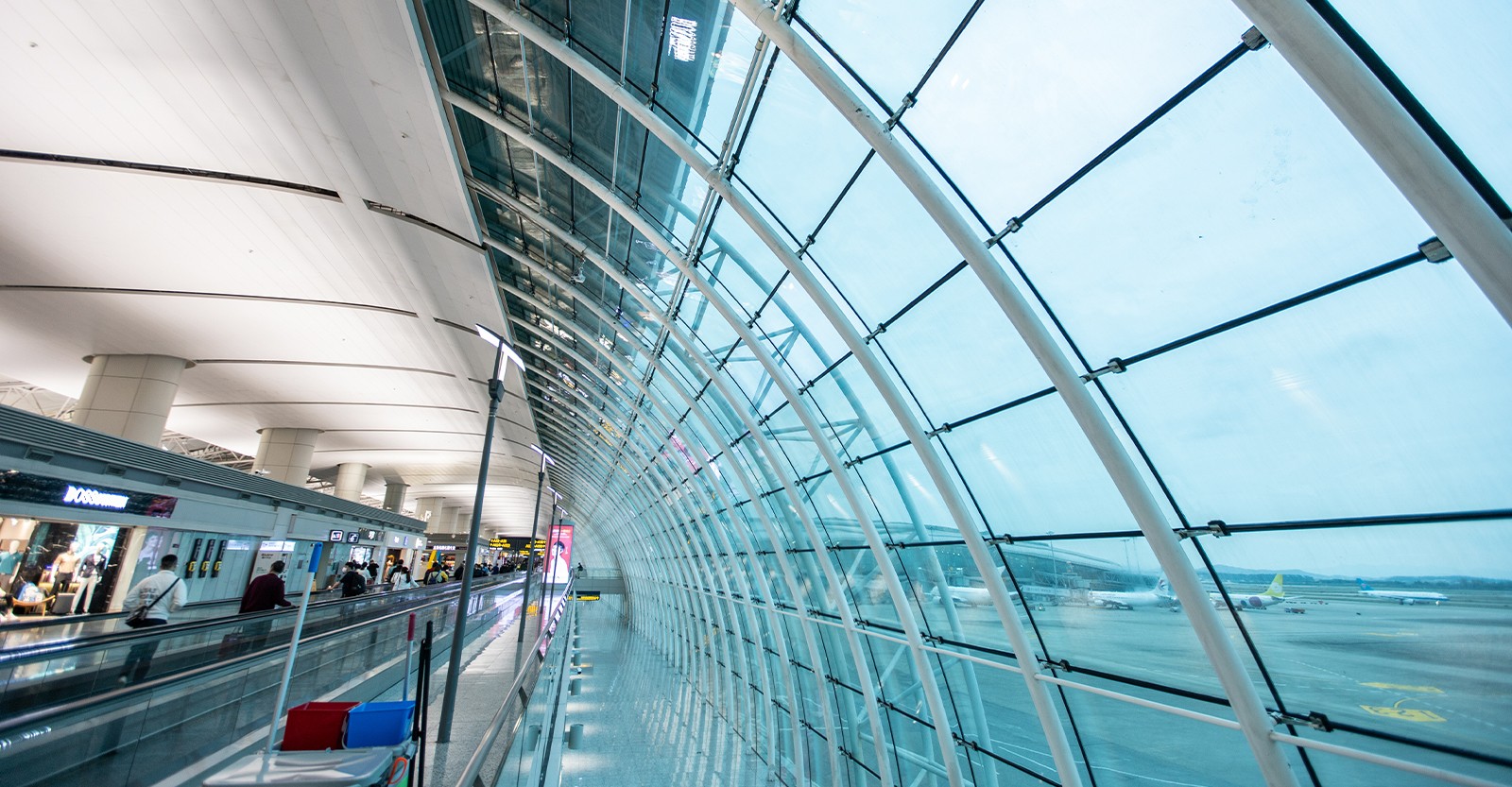
Architectural elements require long-term weatherability. Our outdoor-grade formulations are designed to resist UV degradation, chalking, and color fading. Used on aluminum extrusions, metal facades, window frames, and structural components, these coatings offer reliable protection in diverse climates.
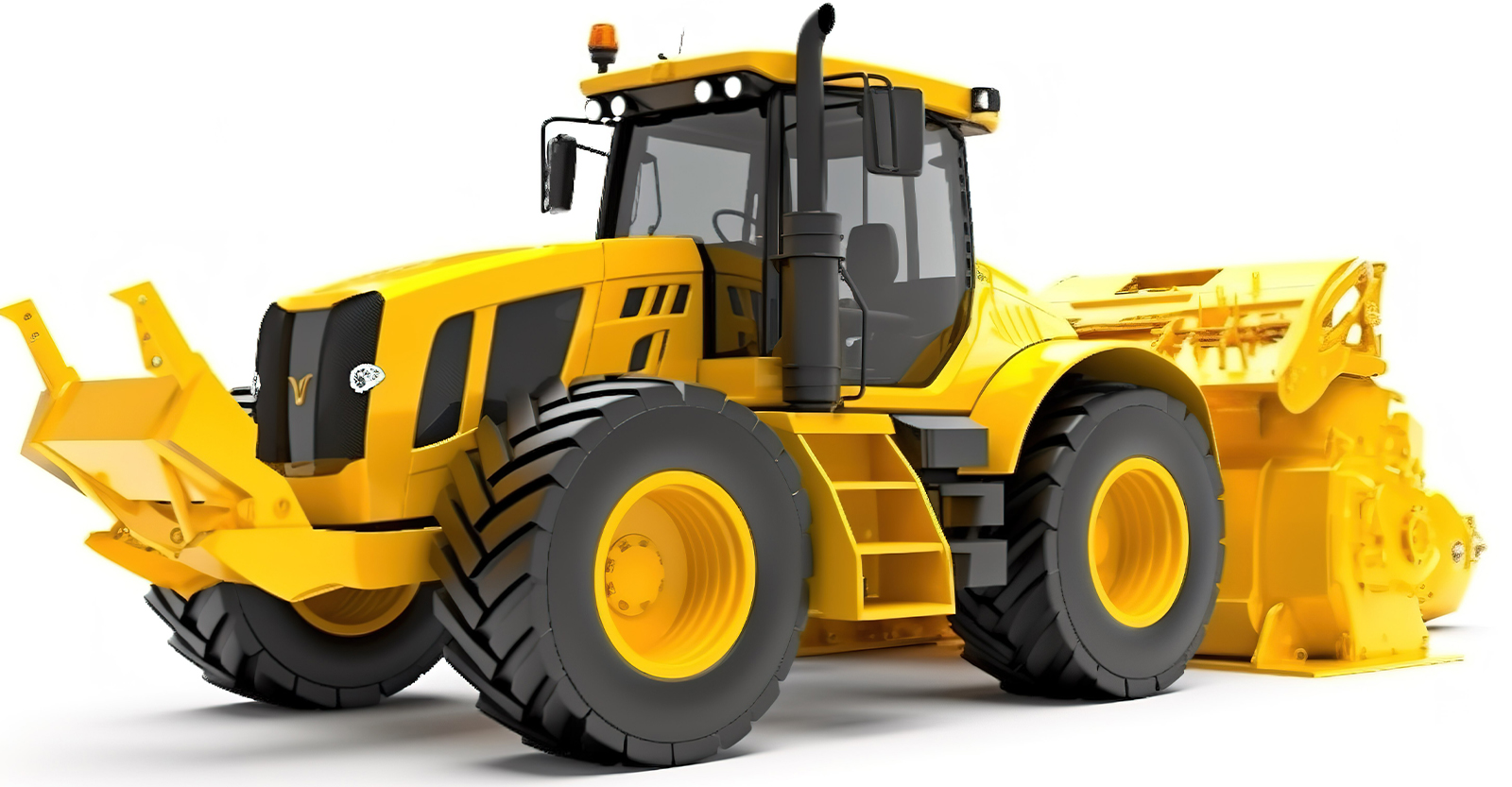
Heavy machinery operates in harsh environments that test physical and chemical durability. Our thick-film industrial coatings protect metal surfaces from mud, chemical fertilizers, hydrocarbons, and mechanical abrasion. These formulations are designed to prevent corrosion and support equipment lifespan.

The automotive sector has high requirements for chemical durability, stone chip resistance, and color depth. SSEART provides coatings for trim parts, under-hood components, chassis structures, and alloy wheels. By incorporating functional mineral cross-linking, we help manufacturers achieve long-lasting surface protection.
Indoor metal furniture, storage shelving, and appliances need a balance of scratch resistance and aesthetic appeal. Our low-curing epoxy and polyester hybrid coatings provide smooth finishes for home appliances and office furniture, protecting them from cleaning agents, moisture, and daily wear.


The growth of electric vehicles, battery energy storage systems, and advanced consumer electronics requires specialized functional coatings. SSEART designs insulated powder coatings that provide dielectric protection for battery casings and electronic enclosures, helping shield sensitive components from short circuits, environmental ingress, and thermal fluctuations.
Aligning business growth with environmental responsibility and client satisfaction.
SSEART Vision: To develop high-performance, sustainable powder coating technologies.
SSEART Mission: To provide environmentally friendly coatings that extend product lifecycles.
SSEART Values: High-performance formulations, quality consistency, and collaborative client service.





Get professional insights from our R&D department regarding formulation, application, and safety standards.
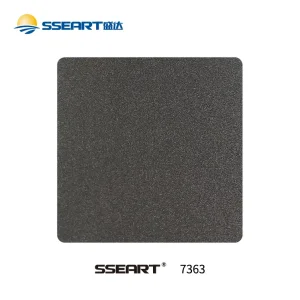
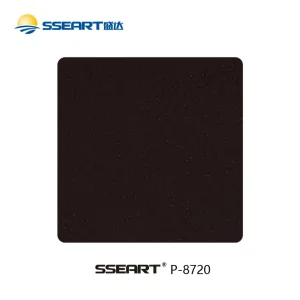
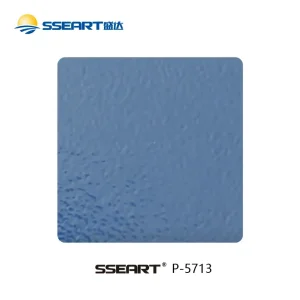
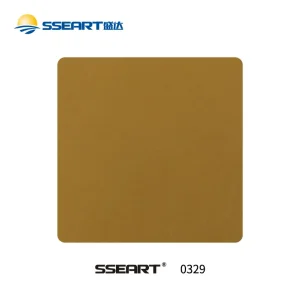
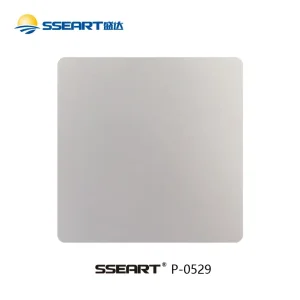
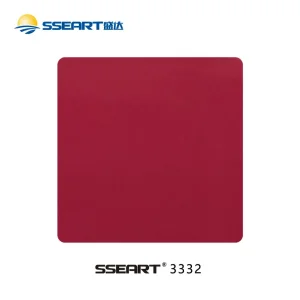
Browse our selection of specialized outdoor textures, metallic bonded pigments, and high-durability finishes.
 SSEART