High-performance protective and decorative coatings optimized for modern aluminum and steel alloy components.
The automotive and two-wheeler manufacturing sectors operate in dynamic environments where performance, durability, and aesthetics are non-negotiable. Motorcycle wheels are subjected to severe operating stresses, including continuous dynamic loads, abrasive debris impact, high UV exposure, and caustic environments containing road salt, petrochemicals, and cleaning agents. Standard liquid coatings struggle to deliver the combined hardness, film thickness, and corrosion resistance required to sustain aesthetic and structural integrity over long operational lifecycles.
At SSEART New Materials, we design engineering-grade powder coating solutions specifically optimized for motorcycle alloy wheels and steel spoke rims. By employing electrostatic powder deposition techniques coupled with advanced thermosetting resins, we provide a continuous, high-density polymer barrier. This barrier eliminates typical liquid coating vulnerabilities such as solvent evaporation micro-pores, edge thin-out, and volatile organic compound (VOC) emissions, aligning with global industrial environmental targets.
Cast aluminum wheels (specifically those cast from A356 or equivalent alloys) inherently contain microscopic gas pockets. When subjected to elevated curing temperatures, these trapped gases expand and burst through the melting powder layer, causing surface pinholes and blistering. SSEART’s specialized anti-outgassing formulations are integrated with targeted degassing agents that maintain an open polymer matrix structure during the initial melt phase, allowing air to escape before the cross-linking phase cures the finish to a solid, glass-like state.
Globally, the demand for premium wheel coatings has shifted from standard cosmetic paint applications to advanced electrostatic powder coatings. This transition is heavily catalyzed by environmental regulations across North America (EPA), Europe (REACH & ECHA), and Asia-Pacific. Industrial wheel manufacturers are moving away from solvent-based systems to limit hazardous air pollutants (HAPs).
Furthermore, major global motorcycle OEMs require coatings that pass rigorous cyclic corrosion testing (CCT), salt spray exposure exceeding 1,000 hours (ASTM B117), and QUV accelerated weathering tests. To maintain supply chain integration, SSEART operates as a localized support partner with scalable, high-volume production facilities. This setup ensures that international logistical demands, consistency in pigment batching, and strict regulatory compliance are managed seamlessly across global trading zones.
Operating as a global manufacturer requires rigorous compliance with local technical and environmental standards. We supply technical documentation, product data sheets (PDS), and safety data sheets (SDS) formatted to meet regional GHS and OSHA standards. Whether executing projects in North America, the European Union, or Asia, our field service engineers provide local, on-site parameters for application line optimization, ensuring correct voltage, airflow, and heat profiling parameters in client curing ovens.
| Performance Indicator | Testing Protocol | SSEART Technical Specification |
|---|---|---|
| Salt Spray Resistance | ASTM B117 / ISO 9227 | > 1,000 Hours (No blistering, creepage < 1mm) |
| Adhesion Strength | ASTM D3359 (Cross-hatch) | 5B (0% coating removal at grid intersection) |
| Impact Resistance | ASTM D2794 | > 50 in-lbs (Direct and reverse, no cracking) |
| Pencil Hardness | ASTM D3363 | 2H - 4H (Depending on resin base) |
| Chemical Resistance | ISO 2812 (MEK rub) | > 100 double rubs (No loss of gloss or film integrity) |
Pioneering High-Performance Coatings and Sustainable Formulations Since 2000
Partnered with the Particle Technology and Fluidization Research Group (PRTFC) at Tianjin University. Led by Professor Zhu Jingxu, Fellow of the Royal Society of Canada and Canadian Academy of Engineering, alongside Professor Zhang Hui, advancing environmentally safe powder coatings.
Committed to strict safety standards, SSEART eliminated all lead-containing raw materials from our entire coating production lines in 2012, setting a precedent in sustainable industrial chemistry years ahead of industry regulation.
Acknowledged as a national high-tech enterprise, a "Specialized, Refined, Distinctive, and Innovative" enterprise, and an active council member of the China Fashion Color Association, validating our status in technical styling.

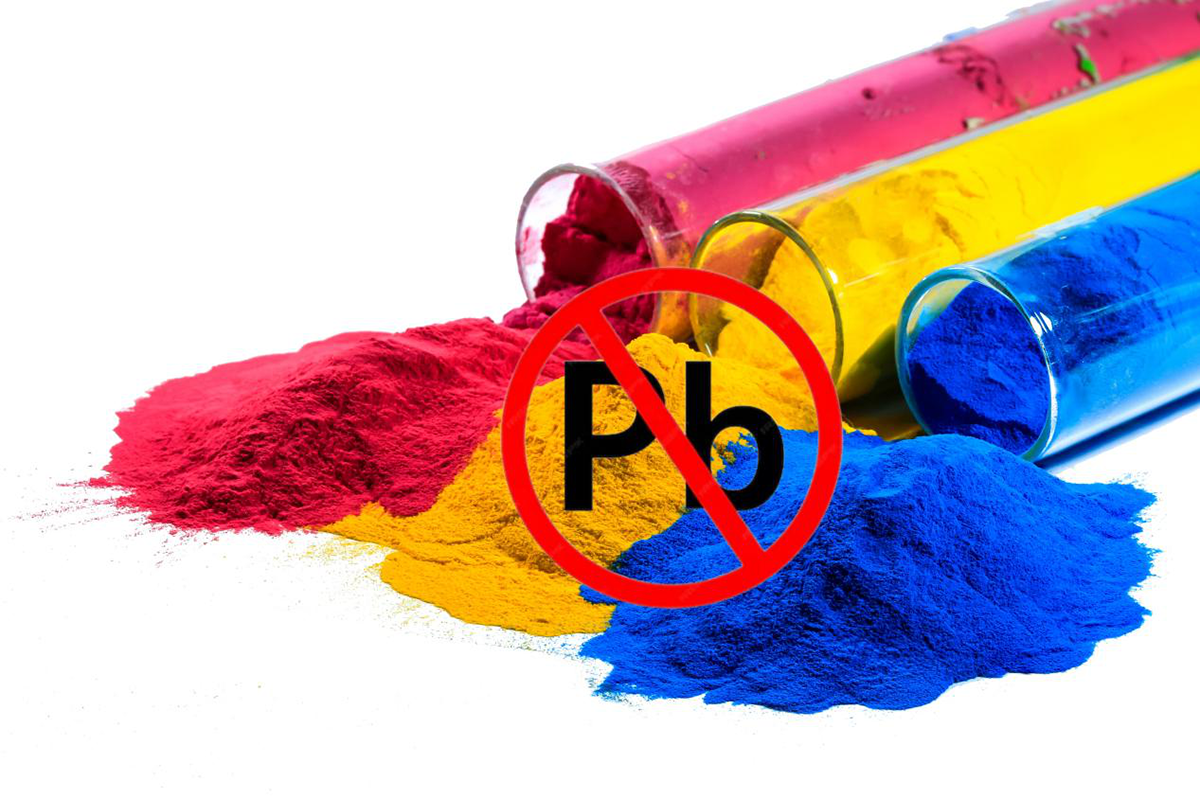
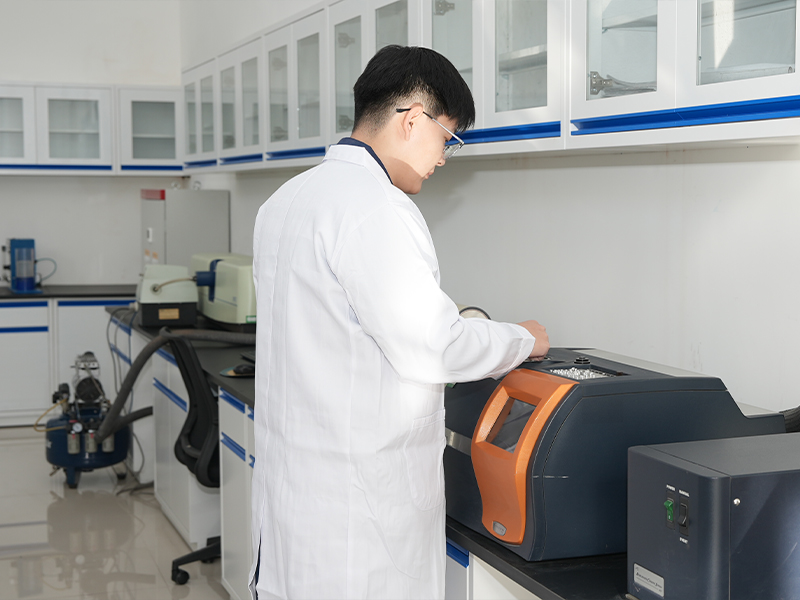
From initial pigment specification to strict raw material monitoring and finalized powder delivery.
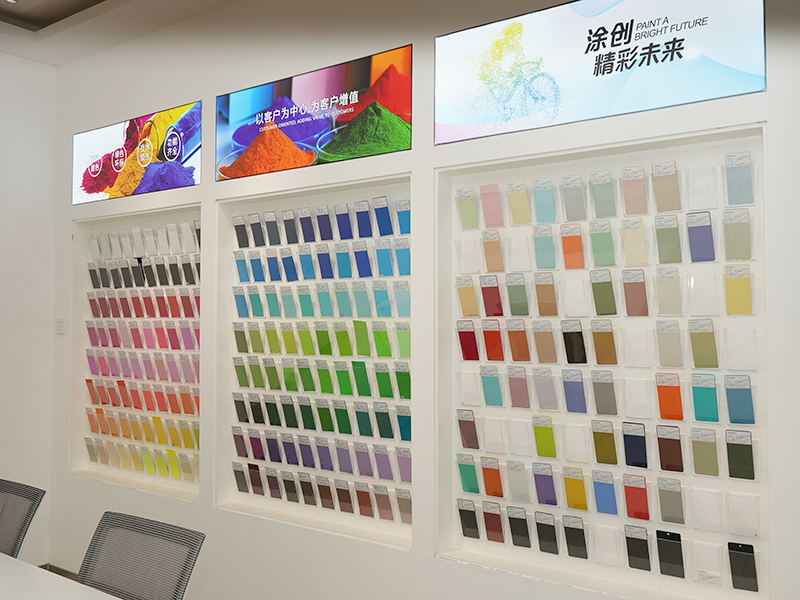
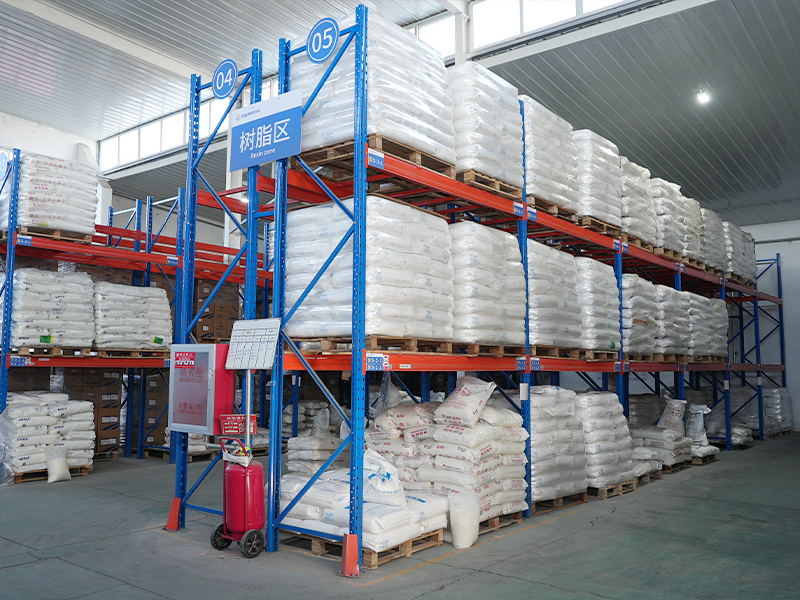
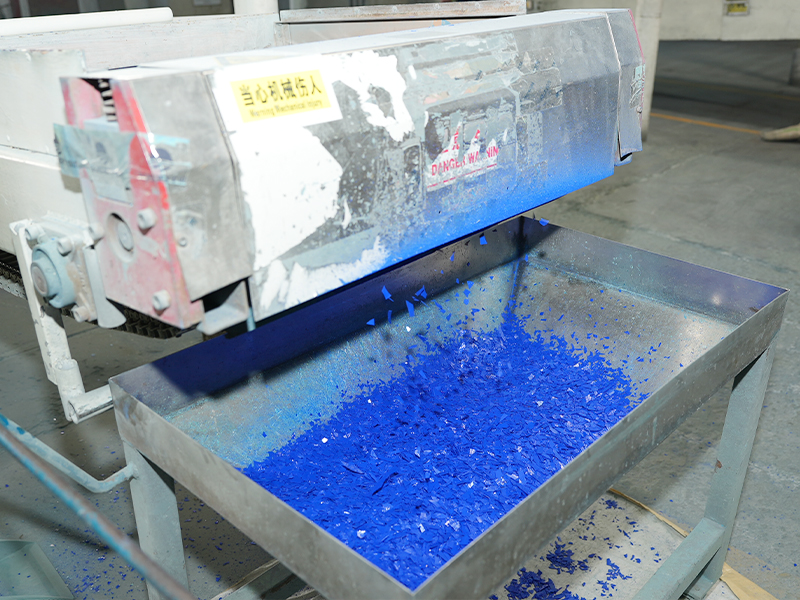
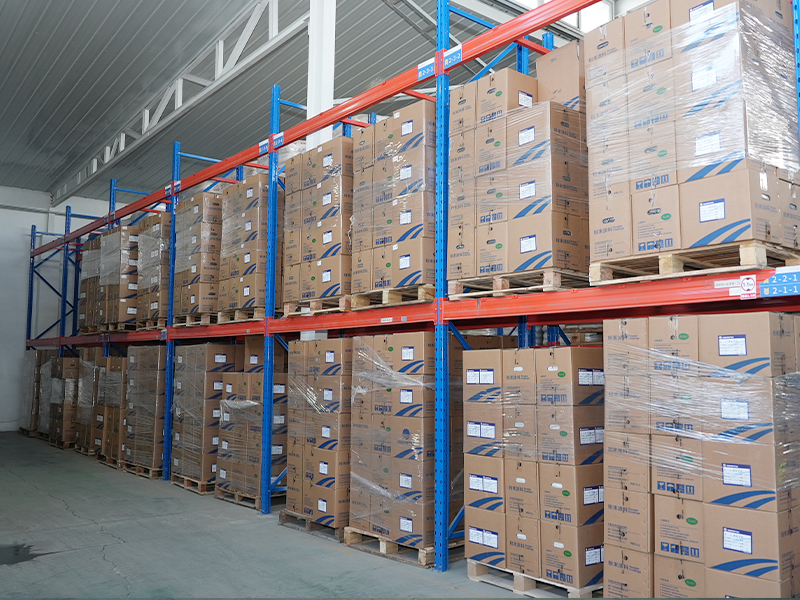
Highly customized chemical configurations tailored for specialized industrial and protective finishes.
Optimized for rapid turnaround, general metal cabinetry, and architectural fixtures.

Offering a vast selection of RAL colors designed with premium stability and vibrant hues.
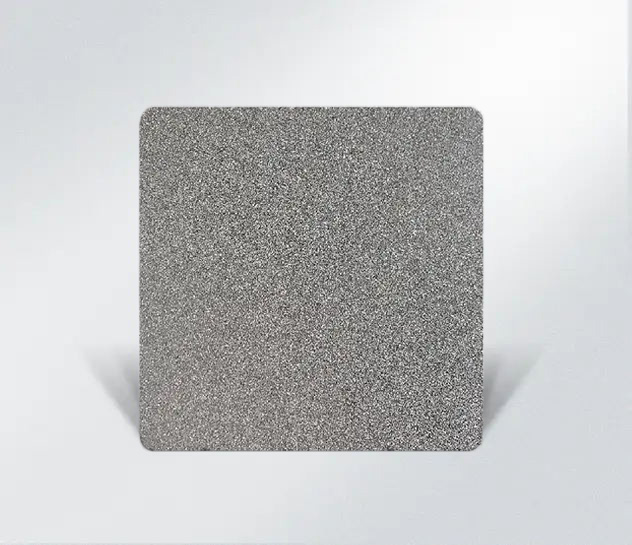
Engineered via advanced metallic bonding to prevent structural separation of aluminum flakes.
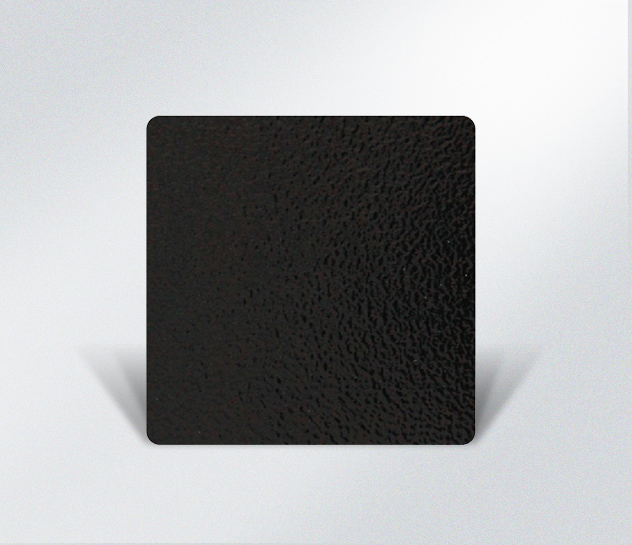
Providing unique textures, wrinkles, and tactile finishes for high-end aesthetic value.
Featuring intense color visibility, designed specifically for consumer transport accessories.
Formulated with self-cleaning, anti-graffiti, and extremely low-cure temp mechanisms.
Anti-static, conductive, anti-microbial, and chemical resistant specialty compounds.

Explore our complete catalog of industrial protective coatings for metal components.
Delivering precision-coated surfaces across varied machinery and hardware sectors globally.

SSEART is an active co-drafter of Chinese Bicycle Coating Standards. We serve the world’s leading manufacturers, delivering long-term resistance to stone chipping, mud adhesion, and dynamic fatigue stresses.

High resistance to sweat-induced corrosion and mechanical wear. Our high-gloss and matte series maintain visual appeal in public workout facilities and professional gym configurations.

Formulated for exterior aluminum extrusions, curtain walls, and architectural structures. Features high-grade weatherability resisting color shifts and chalking caused by prolonged solar UV index exposure.
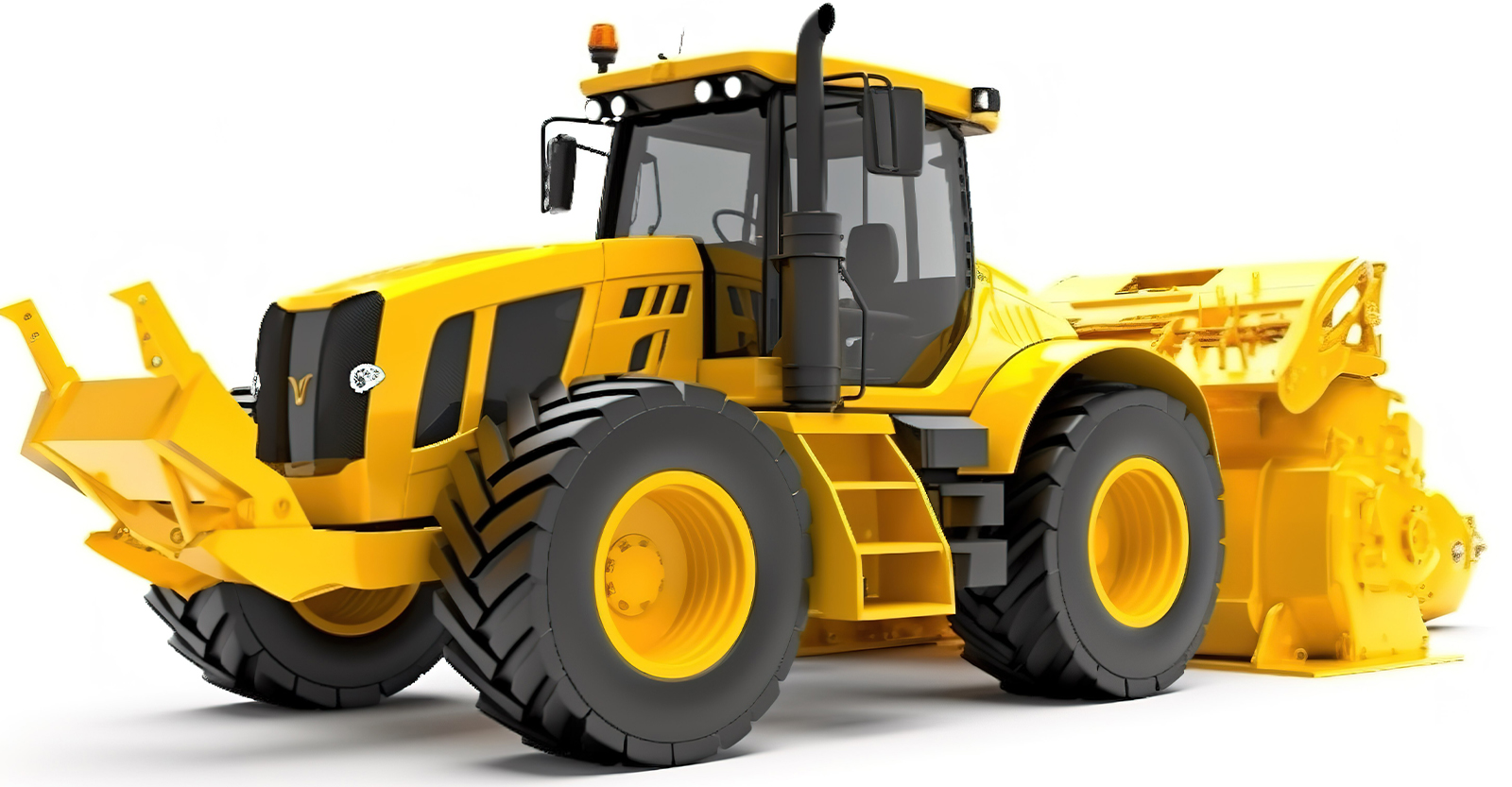
Extreme protection against chemical fertilizers, moisture, and abrasive soils. Maintains film build thickness and edge coverage over sharp weld joints and heavy steel cast components.

Meeting specifications for suspension assemblies, engine structural brackets, passenger vehicle wheels, and brake calipers where heat deflection and chemical resistance are mandatory.

Elegant tactile finishes combining high hardness levels with scratch resistance for steel office framing, residential outdoor furniture, and functional steel shelving systems.
Achieving optimum performance on aluminum alloy wheels requires precise control over pre-treatment chemistry. Without clean surface preparation, even the highest-grade powder coating will suffer premature delamination or intergranular corrosion. The process must follow clean cleaning, rinsing, and sealing phases:
The future of wheel and heavy metal coating revolves around reducing processing energy footprints while enhancing barrier properties. SSEART is actively developing and piloting three primary technical advancements in collaboration with our university research networks:
Ultra-Low Temperature Curing: Standard systems require curing cycles of 180°C - 200°C for 15-20 minutes. SSEART’s next-generation resins cure at 130°C - 145°C. This shift saves up to 25% in energy costs, while also allowing powder coating application on heat-sensitive aluminum castings without altering the mechanical temper of the alloy.
Metallic Bonded Stability: In standard dry blends, metallic pigments (aluminum flake, bronze powder) are prone to electrostatic separation during recovery, causing shifting color patterns and line defects. SSEART’s advanced bonding process fuses the metallic particles directly to the base organic resin particle. This ensures uniform distribution, consistent color consistency over multiple spray passes, and highly repeatable recoveries.
Clear, authoritative information regarding industrial powder application, performance metrics, and manufacturing standards.
Watch our manufacturing processes, automated extrusion setups, and quality control routines in action.
Collaborating with global leaders in transport, manufacturing, and raw material supply chains.








High-gloss, metallic chameleon, and heavy-duty textured powders designed for long-lasting performance.
 SSEART